
Pellitory Of The Wall
IOverview
Overview
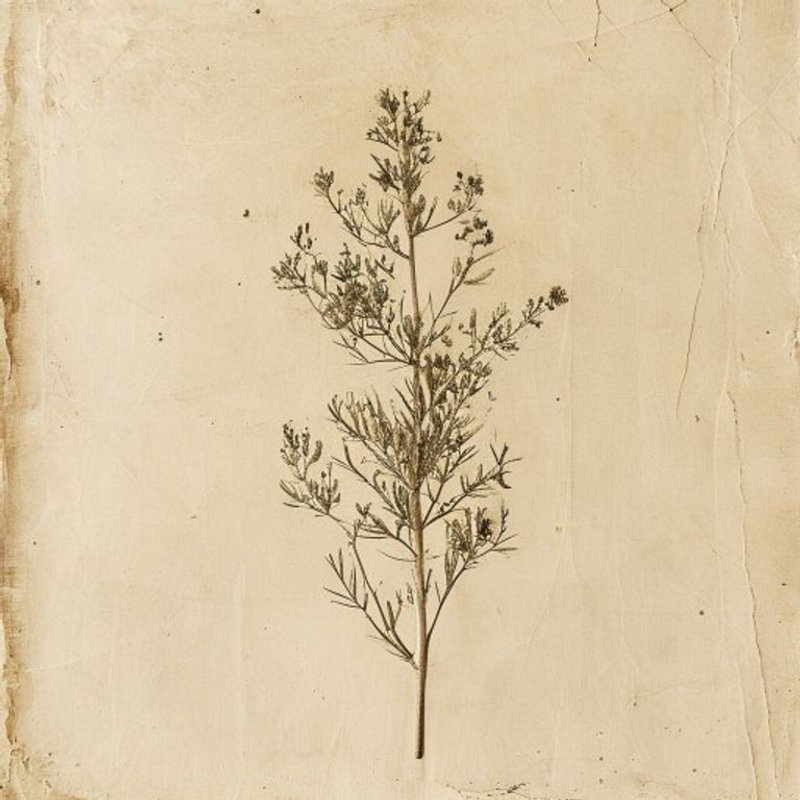
Parietaria judaica, commonly known as Pellitory of the Wall, is a perennial herb that thrives across various regions including Afghanistan, Albania, Algeria, and parts of Europe and Asia. This adaptable plant grows best in light to heavy soil with a pH between 7.5 and 8, making it suitable for drier conditions. Reaching heights of about 0.6 meters, Pellitory of the Wall is notable for its edible leaves and shoots, which can be prepared fresh in salads or cooked as a green vegetable. Native to Afghanistan, Albania, Algeria, and the Azores, among other locations, this plant is recognized by its ability to grow on walls, hence its name. It has been introduced into various regions such as Argentina Northeast, Austria, California, and Chile Central, showcasing its adaptability. Pellitory of the Wall prefers light to partial shade and can thrive in dry to moist conditions. While primarily used for culinary purposes, this plant is not known for medicinal benefits. Its cultivation is relatively simple, with propagation through seeds or division best done in spring. For those interested in incorporating it into their gardens, Pellitory of the Wall offers a unique addition due to its distinctive growth habit and edible parts.
What is Pellitory Of The Wall?
Parietaria judaica, commonly known as Pellitory of the Wall, is a perennial herb that thrives across various regions including Afghanistan, Albania, Algeria, and parts of Europe and Asia. This adaptable plant grows best in light to heavy soil with a pH between 7.
VCultivation
Cultivation
How to grow Pellitory Of The Wall for the first time
Start with basic care for Pellitory Of The Wall, focusing on simple soil preparation and regular watering.
- 1
What you'll need
Seeds or young plants, a small trowel, and a container or garden bed.
- 2
Best time to plant
Plant in spring after the last frost or in early fall for best results.
- 3
Soil and container prep
Ensure soil is well-draining with a pH between 7.5-8, and prepare containers with light, medium, or heavy soil.
- 4
Sowing or transplanting
Direct sow seeds in the garden or start them indoors and transplant when they have two sets of true leaves.
- 5
First two weeks
Keep the soil consistently moist but not waterlogged, providing partial shade if necessary.
- 6
Ongoing care
Water regularly to maintain moisture levels, especially during dry spells. Mulch around plants to retain moisture and suppress weeds.
- 7
Harvest or pruning
Prune back after flowering to encourage new growth and prevent the plant from becoming too leggy.
- 8
Common mistakes
Overwatering, planting in heavy clay soil, and not providing enough light are common issues beginners should avoid.
VIEdible & utility
Edible & utility
VIIDistribution
49 native · 26 introduced
Distribution
49 native · 26 introducedIXSpecimen gallery
1 image
Specimen gallery
1 imageExplore further
About this entry
- Last updated
- Citation
- How to cite this entry · Submit a correction
Continue reading
Get archive updates
Occasional email when substantial new content lands — plant profiles, seasonal growing notes, folk-remedy additions. Free, no tracking, unsubscribe anytime.