
Parthenocissus himalayana
Parthenocissus himalayana
Educational content — not medical, botanical, or professional advice. Plant identification, safety, and edibility depend on local conditions, cultivars, and correct identification. Consult a qualified botanist or forager before consuming or handling wild specimens. How we source & review →
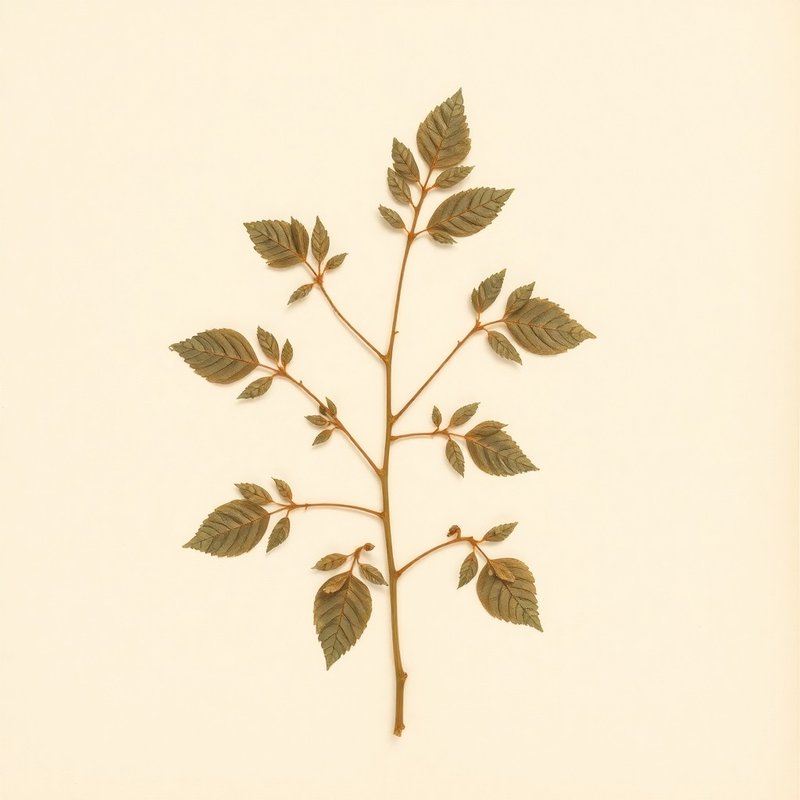
Pl. DE6A — Parthenocissus himalayana
Parthenocissus himalayanaParthenocissus himalayanaParthenocissus himalayanaParthenocissus himalayanaParthenocissus himalayanaParthenocissus himalayanaParthenocissus himalayanaParthenocissus himalayanaParthenocissus himalayanaParthenocissus himalayanaParthenocissus himalayanaParthenocissus himalayanaParthenocissus himalayanaParthenocissus himalayana
IOverview
Overview
Parthenocissus himalayana, commonly known as the Himalayan grape vine, is a deciduous climbing plant native to regions including Assam, Bangladesh, China, India, Jawa, and various parts of Southeast Asia such as Laos, Malaya, Myanmar, Nepal, Pakistan, Taiwan, Thailand, Tibet, and Vietnam. This plant thrives in full sun to partial shade and prefers moist soil with light (sandy), medium, or heavy (clay) textures. It is hardy in zones 8-11 and can grow up to 18 meters tall. Notably, the edible fruit of this vine makes it a valuable addition to landscapes and gardens for its ornamental and culinary uses.
Quick answers
What is Parthenocissus himalayana?
Parthenocissus himalayana, commonly known as the Himalayan grape vine, is a deciduous climbing plant native to regions including Assam, Bangladesh, China, India, Jawa, and various parts of Southeast Asia such as Laos, Malaya, Myanmar, Nepal, Pakistan, Taiwan, Thailand, Tibet, and Vietnam.
Growingconditions · propagation · uses
VCultivation
Cultivation
Parthenocissus himalayana thrives in full to partial sun and prefers moist soil that is light (sandy), medium, or heavy (clay). It is hardy in zones 8-11 and can grow up to 18 meters tall. For propagation, use cuttings or layering methods. The fruit of this plant is edible.
Light
Full sun, Partial sun/shade
Water
Moist
Soil
Light (sandy), Medium, Heavy (clay)
Hardiness
8-11
Mature size
18.0 m tall
For first-time growers
How to grow Parthenocissus himalayana for the first time
8steps
Start with a simple, low-maintenance vine that can grow quickly and provide a lush green cover.
- 1
What you'll need
Seeds or young plants, a trellis or support structure.
- 2
Best time to plant
Plant in spring when the soil is warm and moist.
- 3
Soil and container prep
Use well-draining soil with a mix of light (sandy), medium, and heavy (clay) textures.
- 4
Sowing or transplanting
Direct sow seeds in the ground or start young plants indoors before transplanting.
- 5
First two weeks
Water regularly to keep soil moist but not waterlogged. Monitor for pests and diseases.
- 6
Ongoing care
Provide full sun to partial shade, regular watering, and support from a trellis.
- 7
Harvest or pruning
Focus on pruning in late winter or early spring to maintain shape and remove dead branches.
- 8
Common mistakes
Overwatering, planting in heavy clay soil without drainage, not providing enough support structure.
VIEdible & utility
Edible & utility
Edible parts:Fruit
Edible uses: The fruit of Parthenocissus himalayana is edible and can be eaten raw or used in various preparations. It is often consumed fresh but may also be dried for later use. Skip
Other uses:Ground cover
Contextrange · companions · related
VIIDistribution
19 native · 0 introduced
Distribution
19 native · 0 introducedDistribution across1 continent· 19 native
Asia10 regions
native (10)BangladeshChinaIndiaLaosMyanmarNepalPakistanTaiwanThailandVietnam
Broader regions
native:East Himalaya, Jawa, Malaya, West Himalaya, Nansei-shoto
IXSpecimen gallery
1 image
Specimen gallery
1 imageXI
Explore further
Companion planting
Growing zone
XII
About this entry
- Last updated
- Citation
- How to cite this entry · Submit a correction
Back to the cataloguePlant id · de6a4314-c38d-46bf-9182-1867c01ece6a
Decision aid
Choosing between Parthenocissus himalayana and something else?
Continue reading
❦❦❦❦
Endpaper · archive updates
Get archive updates
Occasional email when substantial new content lands — plant profiles, seasonal growing notes, folk-remedy additions. Free, no tracking, unsubscribe anytime.