
Patrinia triloba
IOverview
Overview
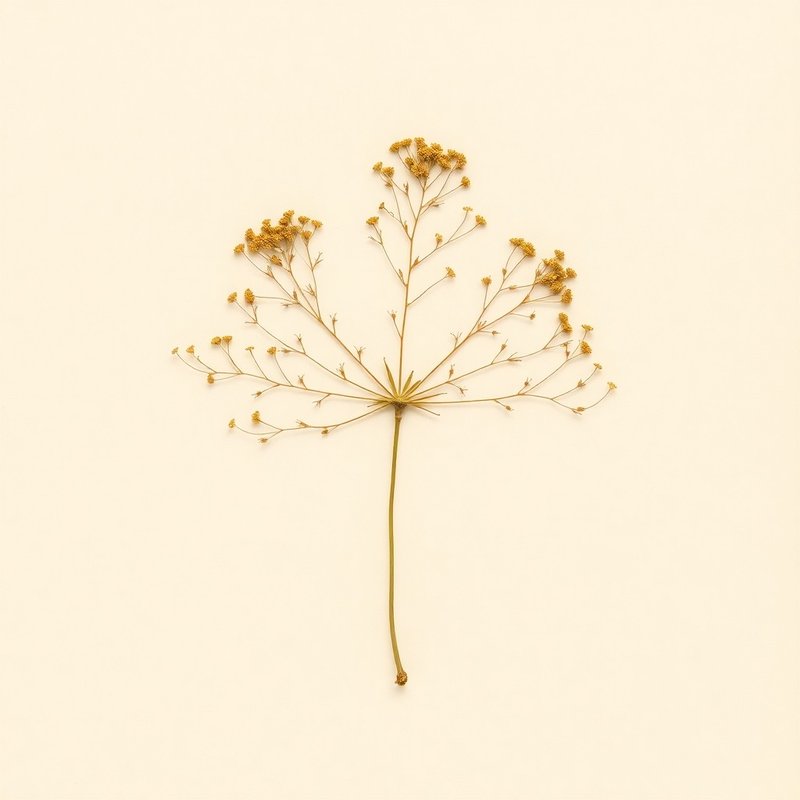
Patrinia triloba, commonly known as Patrinia triloba, is a perennial plant native to Japan. This adaptable plant thrives in moist conditions and prefers light to partial shade, making it suitable for various garden settings. It can grow up to 0.5 meters tall and is valued for its edible leaves, which can be consumed raw or cooked and are often used in stir-fries or soups to add a mild flavor to dishes. Patrinia triloba is versatile, growing well in light, medium, or heavy soils, including sandy ones, and is particularly noted for its ornamental value in Japanese landscapes. While primarily used as a ground cover, it also contributes to the local diet, making it a practical addition to gardens and culinary preparations. This plant is hardy in temperate regions and can be propagated through division or seed sowing. Ensure the soil remains consistently moist and provide ample sunlight, though partial shade can also be tolerated.
What is Patrinia triloba?
Patrinia triloba, commonly known as Patrinia triloba, is a perennial plant native to Japan. This adaptable plant thrives in moist conditions and prefers light to partial shade, making it suitable for various garden settings. It can grow up to 0.
VCultivation
Cultivation
How to grow Patrinia triloba for the first time
Skip is a straightforward perennial for beginners, perfect for those new to gardening.
- 1
What you'll need
A small plant or seeds, a trowel, and some compost.
- 2
Best time to plant
Plant Skip in early spring or late summer when the weather is mild.
- 3
Soil and container prep
Ensure your soil is well-draining with plenty of organic matter. Containers should be at least 30 cm wide.
- 4
Sowing or transplanting
Transplant Skip from a nursery pot into the garden, spacing plants about 30 cm apart.
- 5
First two weeks
Water regularly to keep the soil moist but not waterlogged. Monitor for any signs of pests or diseases.
- 6
Ongoing care
Provide full sun to partial shade and regular watering, especially during dry spells. Keep an eye on plant height.
- 7
Harvest or pruning
Prune Skip in late winter to encourage new growth and maintain its shape.
- 8
Common mistakes
Overwatering, planting in heavy soil, not providing enough sunlight, and neglecting regular pruning.
VIEdible & utility
Edible & utility
VIIDistribution
1 native · 0 introduced
Distribution
1 native · 0 introducedIXSpecimen gallery
1 image
Specimen gallery
1 imageExplore further
About this entry
- Last updated
- Citation
- How to cite this entry · Submit a correction
Continue reading
Get archive updates
Occasional email when substantial new content lands — plant profiles, seasonal growing notes, folk-remedy additions. Free, no tracking, unsubscribe anytime.