
Skip to content
IIIFolio · plant profile№ 32CFedible
Data provenancePermapeopleTreflePFAFPOWOreviewed 22 Oct 2026methodology → read

Narrowleaf Pectis

Pectis angustifolia
Educational content — not medical, botanical, or professional advice. Plant identification, safety, and edibility depend on local conditions, cultivars, and correct identification. Consult a qualified botanist or forager before consuming or handling wild specimens. How we source & review →
Updated·Quick Q&A →
Garden journal pausedUse profile notes below
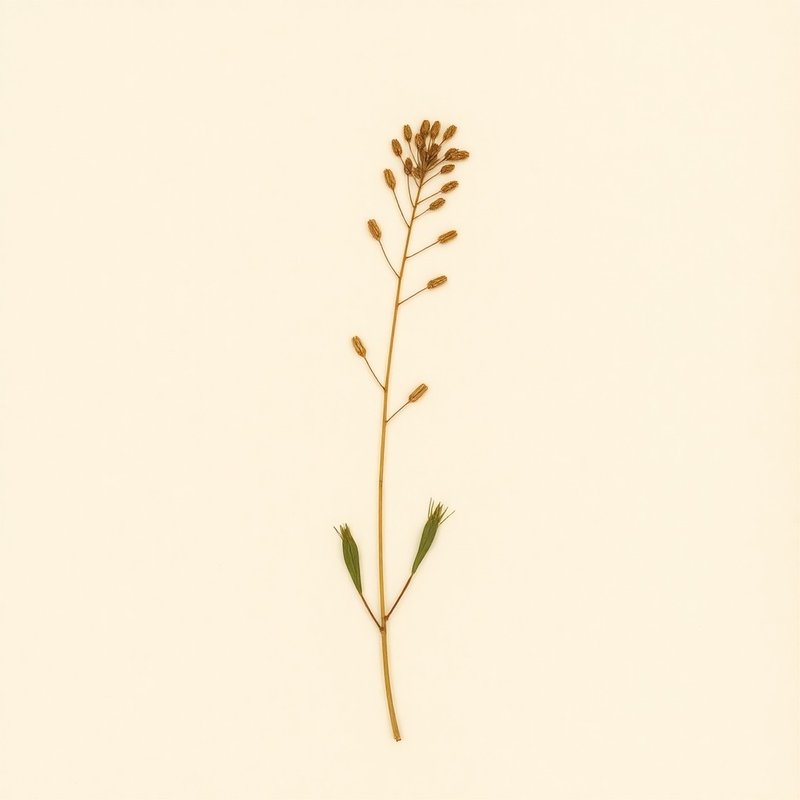
Pectis angustifolia (Narrowleaf Pectis) — botanical photograph
Pl. 32CF — Pectis angustifolia
Pectis angustifoliaPectis angustifoliaPectis angustifoliaPectis angustifoliaPectis angustifoliaPectis angustifoliaPectis angustifoliaPectis angustifoliaPectis angustifoliaPectis angustifoliaPectis angustifoliaPectis angustifoliaPectis angustifoliaPectis angustifolia
I

Overview

Narrowleaf Pectis (Pectis angustifolia) is an annual forb or herb native to the southwestern United States and parts of Mexico, specifically found in Arizona, Colorado, Kansas, New Mexico, Oklahoma, Texas, Utah, and Wyoming. This plant thrives in a variety of habitats, from dry to moist conditions, and can be cultivated in well-drained soils with a pH between 5.9 and 7.2. Known for its edible leaves and shoots, Narrowleaf Pectis requires full sun and prefers light (sandy) or medium soil types. It grows to a height of about 0.3 meters, making it a manageable size for gardens or landscapes. This plant is hardy in temperate regions, making it suitable for cultivation across its native range. For cultivation, sow seeds directly into the garden after all danger of frost has passed. Harvest edible leaves and shoots throughout the growing season. While not medicinal, Narrowleaf Pectis can be used as a condiment in culinary applications. Its distinctive yellow flowers and green foliage provide both ornamental and practical value, making it a versatile addition to gardens and landscapes.

Quick answers

What is Narrowleaf Pectis?

Narrowleaf Pectis (Pectis angustifolia) is an annual forb or herb native to the southwestern United States and parts of Mexico, specifically found in Arizona, Colorado, Kansas, New Mexico, Oklahoma, Texas, Utah, and Wyoming.

Growingconditions · propagation · uses
V

Cultivation

Narrowleaf Pectis thrives in full sun and prefers light to medium soil with a pH between 5.9 and 7.2. It can tolerate both dry and moist conditions but needs well-drained soil to prevent root rot. The plant is hardy in temperate regions, making it suitable for gardens across its native range in the western United States and parts of Mexico. For cultivation, sow seeds directly into the garden after all danger of frost has passed. Harvest edible leaves and shoots throughout the growing season.
Light
Full sun
Water
Dry, Moist
Soil
Light (sandy), Medium
Life cycle
Annual
Habit
Forb/herb
Mature size
0.3 m tall
Soil pH
5.9–7.2
VI

Edible & utility

Edible parts:LeavesShoots
Edible uses: Condiment
Other uses:DyeFragrance
Contextrange · companions · related
VII

Distribution

11 native · 0 introduced
Distribution across0 continents· 11 native
Broader regions
native:Arizona, Colorado, Kansas, Mexico Gulf, Mexico Northeast, Nebraska, New Mexico, Oklahoma, Texas, Utah, Wyoming
IX

Specimen gallery

1 image
Pectis angustifolia (Narrowleaf Pectis) — botanical photograph
Narrowleaf Pectis (Pectis angustifolia)
XI

Explore further

XII

About this entry

Last updated
Citation
How to cite this entry · Submit a correction
Back to the cataloguePlant id · 32cf5e2f-bbcd-4ac4-82ba-8250e0ba4a0b
Decision aid
Choosing between Narrowleaf Pectis and something else?
Compare with another plant

Continue reading

❦❦❦❦
Endpaper · archive updates

Get archive updates

Occasional email when substantial new content lands — plant profiles, seasonal growing notes, folk-remedy additions. Free, no tracking, unsubscribe anytime.

Newsletter returning soon.
We are rebuilding the update list around a lightweight editorial workflow. New dispatches will resume after the next content review cycle.
iCare notes