
Ivy-Leaved Geranium
Pelargonium peltatum
Educational content — not medical, botanical, or professional advice. Always consult a qualified clinician before using any herbal preparation — especially during pregnancy, breastfeeding, while on medication, or for children. How we source & review →
Garden journal pausedUse profile notes below
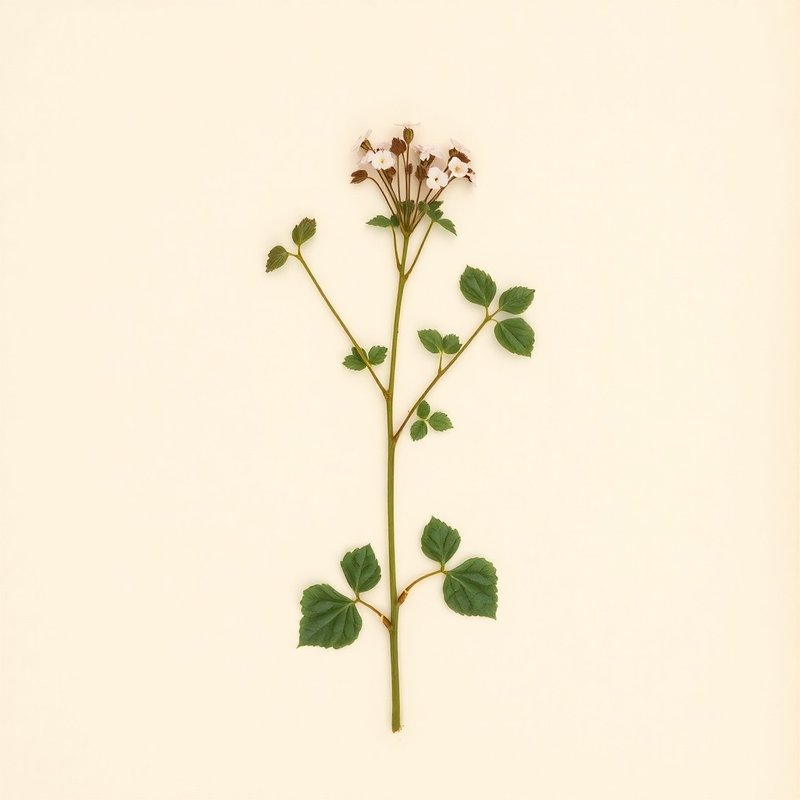
Pl. 7D56 — Pelargonium peltatum
Pelargonium peltatumPelargonium peltatumPelargonium peltatumPelargonium peltatumPelargonium peltatumPelargonium peltatumPelargonium peltatumPelargonium peltatumPelargonium peltatumPelargonium peltatumPelargonium peltatumPelargonium peltatumPelargonium peltatumPelargonium peltatum
IOverview
Overview
Ivy-Leaved Geranium (Pelargonium peltatum) is a vine native to the Cape Provinces of South Africa, known for its distinctive ivy-like foliage. This plant thrives in full sun and can adapt to various soil types, including light sandy and medium soils, making it a versatile choice for gardeners. Its ability to tolerate both dry and moist conditions allows it to grow well in a range of environments. The leaves of the Ivy-Leaved Geranium are edible and can be used fresh or dried in salads for their distinctive flavor, though cooking them is not recommended as it diminishes their taste. This geranium has been introduced to several regions, including California, the Canary Islands, Ecuador, Mexico Southwest, Morocco, and Puerto Rico, where it has become a popular ornamental plant. Its cascading habit makes it ideal for hanging baskets, and it can grow up to 1.5 meters tall. While primarily used for its ornamental value and culinary applications, this plant is also known for its potential use in essential oils and fragrances. However, caution is advised when handling the plant, as it is not recommended for medicinal use without professional guidance.
Quick answers
What is Ivy-Leaved Geranium?
Ivy-Leaved Geranium (Pelargonium peltatum) is a vine native to the Cape Provinces of South Africa, known for its distinctive ivy-like foliage. This plant thrives in full sun and can adapt to various soil types, including light sandy and medium soils, making it a versatile choice for gardeners.
IV·bMixology suggestions
1 draft
Mixology suggestions
1 draftEditorial drafts. These pairings are AI-suggested from traditional herbal lore. Always verify with a qualified herbalist before brewing.
Ivy-Leaved Geranium support blend
generaltea
AI returned a direct ingredient list; normalized into one draft blend for editorial review.
Growingconditions · propagation · uses
VCultivation
Cultivation
Ivy-Leaved Geranium thrives in full sun and prefers well-draining soil that is either light (sandy) or medium. It requires moderate watering, avoiding both dryness and excessive moisture. This plant can grow up to 1.5 meters tall and is hardy in zones 9-10. For propagation, it can be easily grown from cuttings. Its edible leaves are a tasty addition to salads.
Light
Full sun
Water
Dry, Moist
Soil
Light (sandy), Medium
Hardiness
9-10
Habit
Forb/herb, Subshrub, Vine
Mature size
1.5 m tall
For first-time growers
How to grow Ivy-Leaved Geranium for the first time
8steps
Start with an easy-to-grow ivy-leaved geranium for a beginner-friendly experience.
- 1
What you'll need
Seeds or small plants, potting soil, containers, and a sunny spot in your garden.
- 2
Best time to plant
Plant seeds indoors about 8 weeks before the last frost or transplant young plants directly after the danger of frost has passed.
- 3
Soil and container prep
Use well-draining potting soil. Containers should have drainage holes to prevent waterlogging.
- 4
Sowing or transplanting
For seeds, sow them 1/4 inch deep in moist soil. For transplants, gently remove from the nursery pot and place in a larger container with fresh soil.
- 5
First two weeks
Keep the soil consistently moist but not soggy. Place the plants in a bright spot away from direct sunlight to acclimate them.
- 6
Ongoing care
Water when the top inch of soil feels dry, and ensure good air circulation to prevent fungal diseases. Fertilize every 4-6 weeks with a balanced liquid fertilizer.
- 7
Harvest or pruning
Prune regularly to encourage bushy growth and remove any dead or yellowing leaves. Harvest young leaves for culinary use as needed.
- 8
Common mistakes
Overwatering, planting in heavy soil, not providing enough sunlight, neglecting regular pruning, and using too much fertilizer.
VIEdible & utility
Edible & utility
Edible parts:Leaves
Edible uses: The leaves of the Ivy-Leaved Geranium (Pelargonium peltatum) are edible and can be used fresh or dried. They are often eaten raw in salads for their distinctive flavor. Skip cooking as they lose their taste when heated.
Other uses:DyeEssential OilFragrance
Contextrange · companions · related
VIIDistribution
1 native · 6 introduced
Distribution
1 native · 6 introducedDistribution across3 continents· 1 native· 6 introduced
Europe1 region
introduced (1)Spain
Americas2 regions
introduced (2)EcuadorPuerto Rico
Africa1 region
introduced (1)Morocco
Broader regions
native:Cape Provinces
introduced:California, Mexico Southwest
IXSpecimen gallery
1 image
Specimen gallery
1 imageXI
Explore further
XII
About this entry
- Last updated
- Citation
- How to cite this entry · Submit a correction
Back to the cataloguePlant id · 7d56de6d-4b75-46a5-899a-0ad8b9aa0022
Decision aid
Choosing between Ivy-Leaved Geranium and something else?
Continue reading
❦❦❦❦
Endpaper · archive updates
Get archive updates
Occasional email when substantial new content lands — plant profiles, seasonal growing notes, folk-remedy additions. Free, no tracking, unsubscribe anytime.
Newsletter returning soon.
We are rebuilding the update list around a lightweight editorial workflow. New dispatches will resume after the next content review cycle.