
Napier grass Elephant grass
Pennisetum purpureum
Educational content — not medical, botanical, or professional advice. Plant identification, safety, and edibility depend on local conditions, cultivars, and correct identification. Consult a qualified botanist or forager before consuming or handling wild specimens. How we source & review →
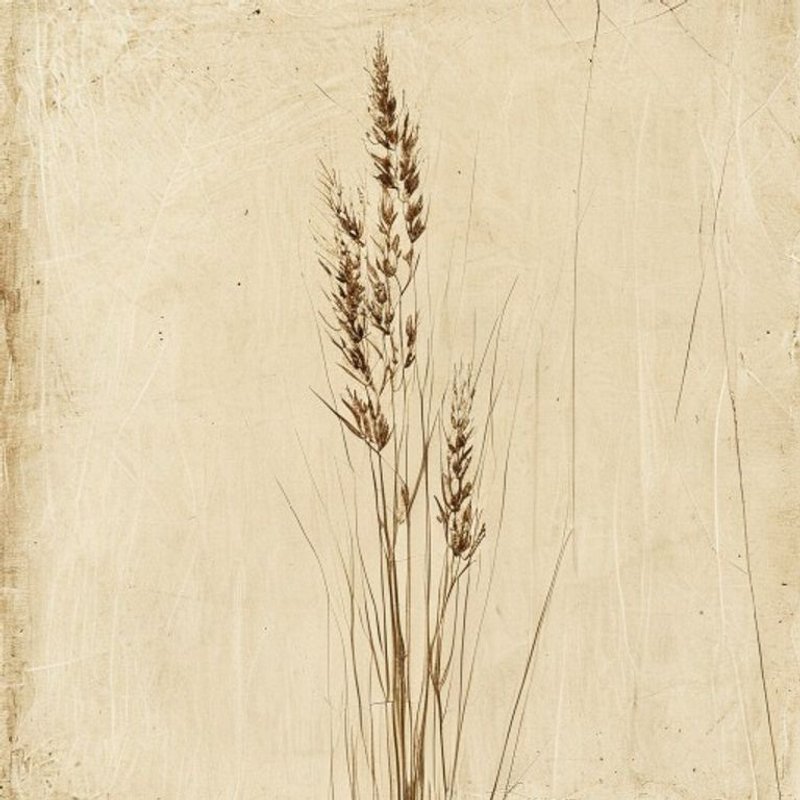
Pl. 8292 — Pennisetum purpureum
Pennisetum purpureumPennisetum purpureumPennisetum purpureumPennisetum purpureumPennisetum purpureumPennisetum purpureumPennisetum purpureumPennisetum purpureumPennisetum purpureumPennisetum purpureumPennisetum purpureumPennisetum purpureumPennisetum purpureumPennisetum purpureum
IOverview
Overview
Napier grass, also known as Elephant grass (Pennisetum purpureum), is a perennial plant native to Saudi Arabia and cultivated for its edible and ornamental qualities. This tall grass can grow up to 4 meters in height and thrives in moist conditions with partial to full sun exposure. It prefers light, medium, or heavy soil types and is hardy in zones 8-11. The plant's distinctive feature includes its large, feathery plumes that add a striking visual element to landscapes. Its edible parts—leaves, shoots, stems, and flowers—are commonly utilized for various purposes, making it a versatile addition to gardens and agricultural settings.
Quick answers
What is Napier grass Elephant grass?
Napier grass, also known as Elephant grass (Pennisetum purpureum), is a perennial plant native to Saudi Arabia and cultivated for its edible and ornamental qualities. This tall grass can grow up to 4 meters in height and thrives in moist conditions with partial to full sun exposure.
Growingconditions · propagation · uses
VCultivation
Cultivation
Napier grass, also known as Elephant grass (Pennisetum purpureum), thrives in full sun to partial shade and requires moist soil that can be light (sandy), medium, or heavy (clay). It is hardy in zones 8-11 and grows up to 4 meters tall. This perennial plant is propagated through seeds or divisions. The edible parts include flowers, leaves, shoots, and stems, making it a versatile choice for gardens where space and sunlight are adequate.
Light
Full sun, Partial sun/shade
Water
Moist
Soil
Light (sandy), Medium, Heavy (clay)
Hardiness
8-11
Life cycle
Perennial
Mature size
4.0 m tall
For first-time growers
How to grow Napier grass Elephant grass for the first time
8steps
Start with planting Napier grass in a sunny spot, and you'll have a thriving perennial for years.
- 1
What you'll need
Napier grass plants or seeds, garden soil, containers if potting.
- 2
Best time to plant
Plant in spring when the last frost has passed and temperatures are warm.
- 3
Soil and container prep
Use well-draining soil with a mix of light (sandy), medium, or heavy clay. Ensure containers have drainage holes.
- 4
Sowing or transplanting
Transplant young plants from nurseries or sow seeds directly in the ground 1-2 cm deep and 30-60 cm apart.
- 5
First two weeks
Water regularly to keep soil moist. Monitor for pests and diseases, treating if necessary.
- 6
Ongoing care
Provide full sun or partial shade. Water when the top inch of soil feels dry. Fertilize once a year with compost.
- 7
Harvest or pruning
Prune dead leaves in winter to maintain plant health and appearance. Harvest shoots, stems, and flowers as needed.
- 8
Common mistakes
Overwatering, planting too deep, neglecting to prune, not providing enough sunlight, using poor soil quality.
VIEdible & utility
Edible & utility
Edible parts:FlowersLeavesShootsStem
Edible uses: The Napier grass or Elephant grass is edible and can be eaten in various forms. The leaves, shoots, stems, and flowers are commonly consumed. Typically, the leaves and young shoots are harvested and used fresh in salads or cooked as a vegetable. Stems can also be eaten raw or cooked. Occasionally, the flowers may be added to dishes for flavor.
Other uses:Animal feed
Contextrange · companions · related
VIIDistribution
30 native · 0 introduced
Distribution
30 native · 0 introducedDistribution across2 continents· 30 native
Asia2 regions
native (2)OmanSaudi Arabia
Africa24 regions
native (24)AlgeriaAngolaBeninBurkina FasoBurundiCameroonChadCôte d'IvoireEthiopiaGabonGambiaGhanaGuineaKenyaLiberiaMalawiMaliMozambiqueNigeriaRwandaSenegalSeychellesSierra LeoneSudan
Broader regions
native:Aldabra, Central African Repu, Congo, Gulf of Guinea Is.
IXSpecimen gallery
1 image
Specimen gallery
1 imageXI
Explore further
Companion planting
Growing zone
XII
About this entry
- Last updated
- Citation
- How to cite this entry · Submit a correction
Back to the cataloguePlant id · 8292799c-649f-4bc8-981f-5da4c1653327
Decision aid
Choosing between Napier grass Elephant grass and something else?
Continue reading
❦❦❦❦
Endpaper · archive updates
Get archive updates
Occasional email when substantial new content lands — plant profiles, seasonal growing notes, folk-remedy additions. Free, no tracking, unsubscribe anytime.