
Yampa
IOverview
Overview
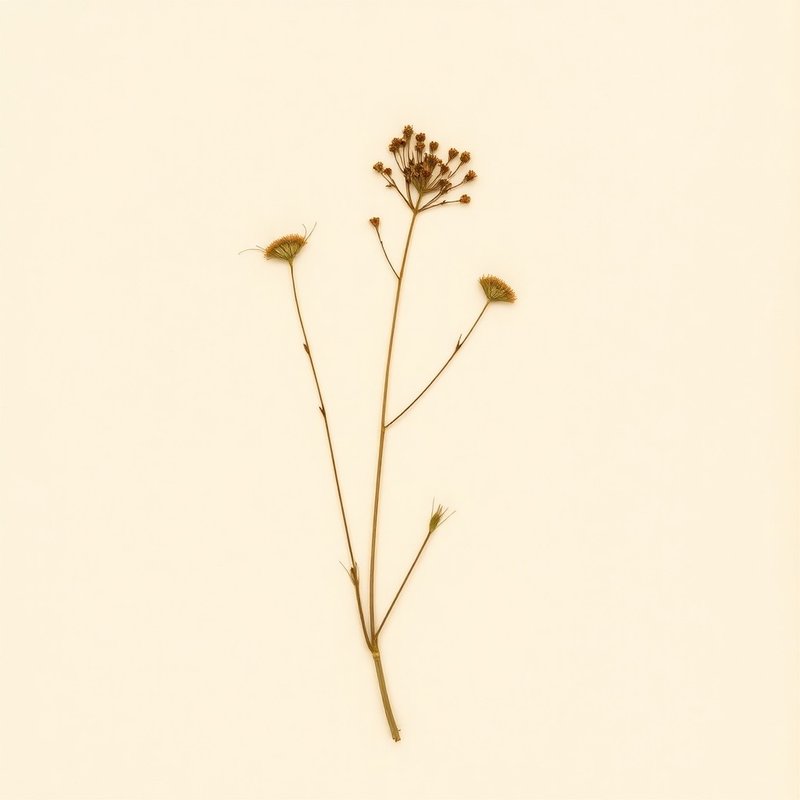
Yampa (Perideridia gairdneri) is a perennial herb native to the western United States and Canada, including regions such as Alberta, British Columbia, California, Colorado, Idaho, Montana, Nevada, Oregon, Saskatchewan, South Dakota, Utah, Washington, and Wyoming. This plant thrives in various habitats, from dry to moist conditions, and can tolerate light sandy, medium, or clay soils with a pH between 6 and 7.5. Yampa is known for its edible and ornamental qualities; its distinctive leaves and roots are often harvested for culinary use as a condiment. Yampa grows up to 1.2 meters tall in full sun to partial shade and prefers light (sandy), medium, or heavy (clay) soils. It has fine green foliage and produces white flowers, making it an attractive addition to gardens where space is available. This plant can be propagated through root division and is hardy in temperate regions. While Yampa is primarily used as a condiment, caution should be exercised when handling any wild plants, especially for consumption, due to potential allergens or other sensitivities.
What is Yampa?
Yampa (Perideridia gairdneri) is a perennial herb native to the western United States and Canada, including regions such as Alberta, British Columbia, California, Colorado, Idaho, Montana, Nevada, Oregon, Saskatchewan, South Dakota, Utah, Washington, and Wyoming.
VCultivation
Cultivation
How to grow Yampa for the first time
Start with Yampa by ensuring you have the right conditions and care, making it a manageable project for beginners.
- 1
What you'll need
A small shovel or trowel, seeds or young plants, a watering can.
- 2
Best time to plant
Plant in spring after the last frost or in fall before the first freeze.
- 3
Soil and container prep
Choose a location with well-draining soil that is light (sandy), medium, or heavy (clay). Ensure the pH is between 6 and 7.5.
- 4
Sowing or transplanting
Direct sow seeds in the ground after danger of frost has passed, or start young plants indoors a few weeks before planting outside.
- 5
First two weeks
Water regularly to keep soil moist but not waterlogged. Monitor for pests and diseases.
- 6
Ongoing care
Provide full sun to partial shade. Water when the top inch of soil is dry, especially in dry or wet conditions. Mulch around plants to retain moisture.
- 7
Harvest or pruning
Prune dead leaves and stems to maintain plant health and appearance.
- 8
Common mistakes
Overwatering, planting in poorly drained soil, neglecting to mulch, not providing enough sunlight.
VIEdible & utility
Edible & utility
VIIDistribution
13 native · 0 introduced
Distribution
13 native · 0 introducedIXSpecimen gallery
1 image
Specimen gallery
1 imageExplore further
About this entry
- Last updated
- Citation
- How to cite this entry · Submit a correction
Continue reading
Get archive updates
Occasional email when substantial new content lands — plant profiles, seasonal growing notes, folk-remedy additions. Free, no tracking, unsubscribe anytime.