
Skip to content
IIIFolio · plant profile№ 7984edible
Data provenancePermapeopleTreflePFAFPOWOreviewed 18 Oct 2026methodology → read

Persea edulis

Persea edulis
Educational content — not medical, botanical, or professional advice. Plant identification, safety, and edibility depend on local conditions, cultivars, and correct identification. Consult a qualified botanist or forager before consuming or handling wild specimens. How we source & review →
edibletreesedible
Updated·Quick Q&A →
Garden journal pausedUse profile notes below
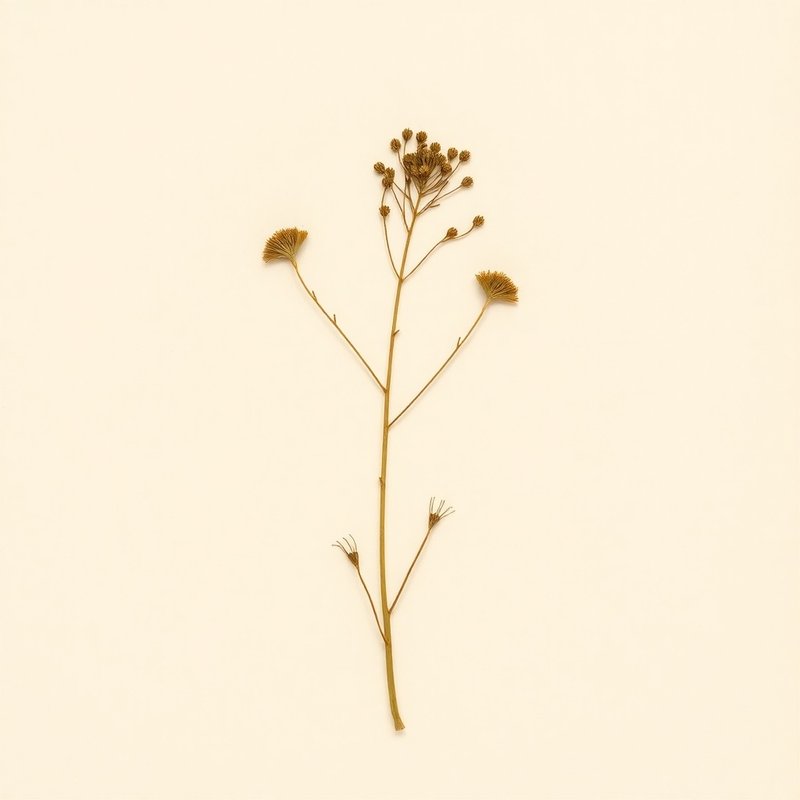
Persea edulis (Persea edulis) — botanical photograph
Pl. 7984 — Persea edulis
Persea edulisPersea edulisPersea edulisPersea edulisPersea edulisPersea edulisPersea edulisPersea edulisPersea edulisPersea edulisPersea edulisPersea edulisPersea edulisPersea edulis
I

Overview

Persea edulis, commonly known as avocado, is a tree native to the tropical regions of Central and Southern Mexico, including Belize, Costa Rica, Guatemala, Honduras, and parts of Mexico. This versatile plant thrives in moist environments with light to partial sun exposure, making it adaptable to various soil types, including sandy, medium, and clay soils. The avocado tree is known for its edible fruit, which is both nutritious and widely consumed. The fruit can be eaten raw or used in various preparations, providing a flavorful addition to dishes and snacks. The tree's smooth, dark green leaves and its ability to grow in diverse habitats, from coastal areas to higher elevations, make it a valuable addition to gardens and landscapes. While not traditionally used for medicinal purposes, the avocado is highly valued for its culinary and nutritional benefits. The avocado tree is a valuable addition to gardens and landscapes due to its smooth, dark green leaves and adaptability to various soil types and sunlight conditions. Cultivation of Persea edulis requires consistent moisture levels and ample sunlight, making it suitable for temperate regions with suitable climates. The fruit is the primary edible part of the plant and can be propagated through seeds or grafting. While the tree is not traditionally used for medicinal purposes, its cultivation and consumption are highly valued for their culinary and nutritional benefits.

Quick answers

What is Persea edulis?

Persea edulis, commonly known as avocado, is a tree native to the tropical regions of Central and Southern Mexico, including Belize, Costa Rica, Guatemala, Honduras, and parts of Mexico.

Growingconditions · propagation · uses
V

Cultivation

Persea edulis thrives in full to partial sun, requiring moist soil that can be light (sandy), medium, or heavy (clay). This tree is hardy in temperate regions and is native to Central and Southeastern Mexico, Belize, Guatemala, Honduras, and Nicaragua. For cultivation, ensure the soil remains consistently moist and provide a location with adequate sunlight. Propagation can be done through seeds or grafting. The fruit is the edible part of the plant.
Light
Full sun, Partial sun/shade
Water
Moist
Soil
Light (sandy), Medium, Heavy (clay)
Habit
Tree
For first-time growers

How to grow Persea edulis for the first time

8steps

Start with a simple, sunny spot and basic care for your Persea edulis.

  1. 1

    What you'll need

    A young tree or seedling, well-draining soil, and a container if planting in a pot.

  2. 2

    Best time to plant

    Plant in spring when the weather is warming up.

  3. 3

    Soil and container prep

    Use light, medium, or heavy soil depending on your preference. Ensure good drainage.

  4. 4

    Sowing or transplanting

    Transplant a young tree from a nursery pot to your garden or a larger container.

  5. 5

    First two weeks

    Water regularly and keep the soil moist but not waterlogged. Place in partial sun for protection.

  6. 6

    Ongoing care

    Provide full sun once established, regular watering, and occasional pruning to shape the tree.

  7. 7

    Harvest or pruning

    Prune young trees to encourage a strong structure; harvest fruit when ripe, indicated by color change.

  8. 8

    Common mistakes

    Overwatering, planting in full sun without acclimation, and not providing enough support for the tree.

VI

Edible & utility

Edible parts:Fruit
Edible uses: The fruit of Persea edulis is edible and can be eaten raw or used in various preparations. It is often consumed fresh but can also be dried for later use. The fruit's flesh provides a flavorful addition to dishes and snacks.
Other uses:Lumber
Contextrange · companions · related
VII

Distribution

9 native · 63 introduced
Distribution across5 continents· 9 native· 63 introduced
Europe1 region
introduced (1)Cyprus
Asia6 regions
introduced (6)BangladeshChinaIndiaLaosTaiwanVietnam
Americas17 regions
native (5)BelizeCosta RicaGuatemalaHondurasNicaragua
introduced (12)BahamasBoliviaColombiaCubaDominican RepublicEl SalvadorHaitiJamaicaPeruPuerto RicoUnited StatesVenezuela
Africa8 regions
introduced (8)Burkina FasoCameroonComorosGambiaGuinea-BissauKenyaMauritiusSudan
Oceania1 region
introduced (1)Fiji
Broader regions
native:Mexico Central, Mexico Gulf, Mexico Southeast, Mexico Southwest
introduced:Argentina Northwest, Caroline Is., Cayman Is., Central African Repu, Central American Pac, Congo, Cook Is., East Himalaya, Easter Is., Florida, Galápagos, Gulf of Guinea Is., Hainan, Leeward Is., Marianas, Marquesas, Marshall Is., Mexico Northeast, Mexico Northwest, New York, New Zealand North, Panamá, Pitcairn Is., Réunion, Rodrigues, Society Is., Solomon Is., Trinidad-Tobago, Tuamotu, Tubuai Is., Venezuelan Antilles, Windward Is., Zaïre
IX

Specimen gallery

1 image
Persea edulis (Persea edulis) — botanical photograph
Persea edulis (Persea edulis)
XI

Explore further

XII

About this entry

Last updated
Citation
How to cite this entry · Submit a correction
Back to the cataloguePlant id · 7984339c-fab8-437b-9c59-63a7fc655cda
Decision aid
Choosing between Persea edulis and something else?
Compare with another plant

Continue reading

❦❦❦❦
Endpaper · archive updates

Get archive updates

Occasional email when substantial new content lands — plant profiles, seasonal growing notes, folk-remedy additions. Free, no tracking, unsubscribe anytime.

Newsletter returning soon.
We are rebuilding the update list around a lightweight editorial workflow. New dispatches will resume after the next content review cycle.
iCare notes