
Needle geebung
IOverview
Overview
The Needle geebung (Persoonia acerosa) is a shrub native to New South Wales, Australia. This plant is a member of the Proteaceae family and can grow up to 1.8 meters in height, with light green, needle-like leaves that contribute to its distinctive appearance. The Needle geebung thrives in full sun and can adapt to both dry and moist conditions, making it a versatile choice for various environments within its native range. The fruit of the Needle geebung is edible and can be consumed fresh or dried for later use. While primarily known for its fruit, which is a valuable resource for local wildlife, the plant also has ornamental value, adding a unique touch to gardens and landscapes. Cultivation of the Needle geebung is straightforward, with seeds or cuttings being effective methods for propagation. It is important to note that while the fruit is safe for consumption, any medicinal uses should be approached with caution and under professional guidance.
What is Needle geebung?
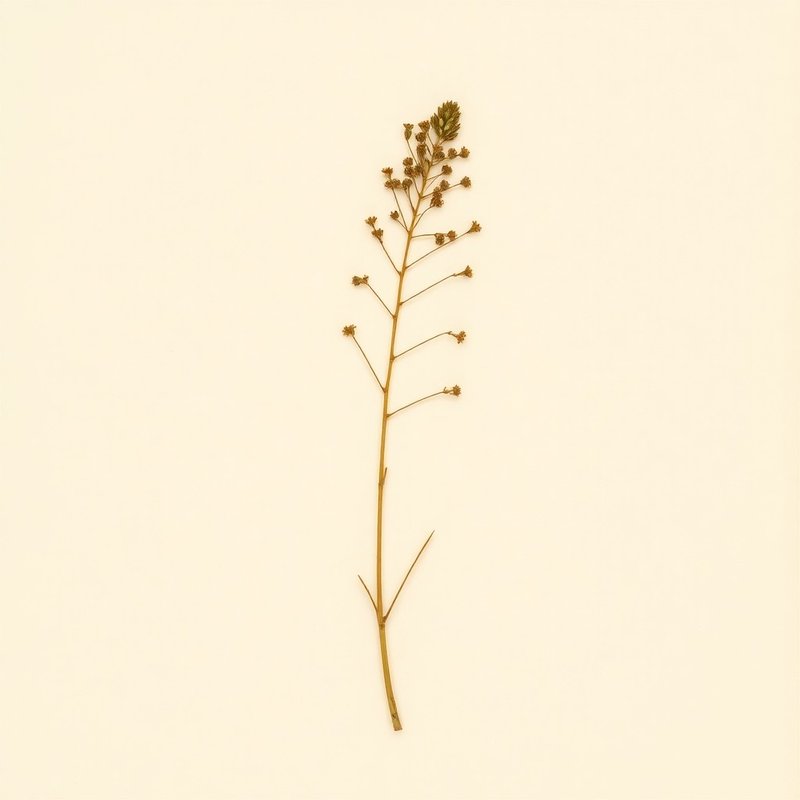
The Needle geebung (Persoonia acerosa) is a shrub native to New South Wales, Australia. This plant is a member of the Proteaceae family and can grow up to 1.8 meters in height, with light green, needle-like leaves that contribute to its distinctive appearance.
VCultivation
Cultivation
How to grow Needle geebung for the first time
Start with a simple planting of Needle geebung to experience growing a native Australian plant.
- 1
What you'll need
Seeds or small plants, potting mix suitable for light soil, watering can.
- 2
Best time to plant
Plant in spring when the weather starts warming up.
- 3
Soil and container prep
Use a well-draining potting mix that suits light or sandy soils. Ensure your container has drainage holes.
- 4
Sowing or transplanting
For seeds, sow them just below the surface in pots. For small plants, dig a hole twice as wide and deep as the root ball.
- 5
First two weeks
Water regularly to keep the soil moist but not waterlogged. Place in a sunny spot to encourage growth.
- 6
Ongoing care
Provide full sun exposure, water when the soil feels dry, and mulch around the base for moisture retention.
- 7
Harvest or pruning
Prune lightly to shape the plant or remove dead branches. Fruit can be harvested once they are fully ripe.
- 8
Common mistakes
Overwatering, planting in heavy soil, neglecting sun exposure, not providing enough space for growth.
VIEdible & utility
Edible & utility
VIIDistribution
1 native · 0 introduced
Distribution
1 native · 0 introducedIXSpecimen gallery
1 image
Specimen gallery
1 imageExplore further
About this entry
- Last updated
- Citation
- How to cite this entry · Submit a correction
Continue reading
Get archive updates
Occasional email when substantial new content lands — plant profiles, seasonal growing notes, folk-remedy additions. Free, no tracking, unsubscribe anytime.