
Persoonia juniperina
IOverview
Overview
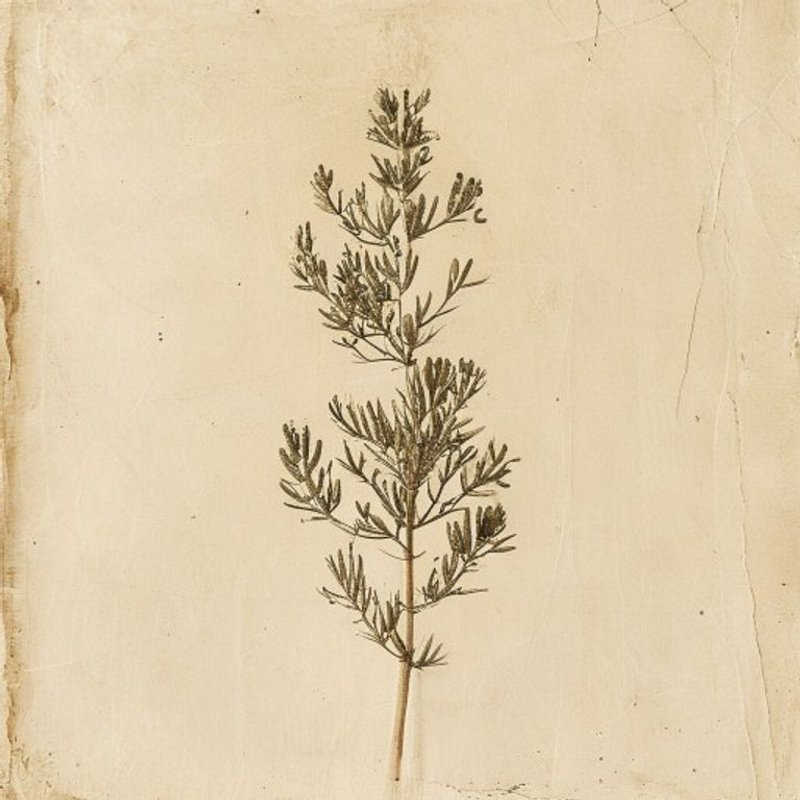
Persoonia juniperina, commonly known as the juniper-leaved persoonia, is a shrub native to the southeastern regions of Australia, specifically New South Wales, South Australia, Tasmania, and Victoria. This plant belongs to the Proteaceae family and thrives in full sun, adapting to both dry and moist conditions. It prefers light (sandy) or medium soil types and grows to a height of approximately 0.8 meters. The juniper-leaved persoonia is notable for its edible fruit, which can be consumed fresh or dried for later use, making it a valuable resource in its native habitat. Its distinctive feature includes juniper-like leaves, contributing to its unique appearance. While not medicinal, this plant is primarily valued for its edible fruit and ornamental qualities.
What is Persoonia juniperina?
Persoonia juniperina, commonly known as the juniper-leaved persoonia, is a shrub native to the southeastern regions of Australia, specifically New South Wales, South Australia, Tasmania, and Victoria. This plant belongs to the Proteaceae family and thrives in full sun, adapting to both dry and moist conditions.
VCultivation
Cultivation
How to grow Persoonia juniperina for the first time
Start with a simple planting of Skip to gain experience in growing Proteaceae plants.
- 1
What you'll need
Skip plant, well-draining soil, watering can or hose.
- 2
Best time to plant
Plant Skip during spring or autumn when the weather is mild.
- 3
Soil and container prep
Use a light, sandy soil with good drainage. Ensure containers have holes for water to escape.
- 4
Sowing or transplanting
Transplant Skip from its nursery pot into your garden bed or a larger container.
- 5
First two weeks
Water the plant regularly, keeping the soil moist but not soggy. Monitor for any signs of stress.
- 6
Ongoing care
Provide full sun exposure and water only when the soil is dry to the touch. Prune lightly in late winter.
- 7
Harvest or pruning
Prune Skip in late winter to maintain its shape and encourage new growth.
- 8
Common mistakes
Overwatering, planting in heavy soil, not providing enough sunlight, neglecting to prune, and using the wrong fertilizer.
VIEdible & utility
Edible & utility
VIIDistribution
4 native · 0 introduced
Distribution
4 native · 0 introducedIXSpecimen gallery
1 image
Specimen gallery
1 imageXSee also
8 related
See also
8 relatedPlants you might compare or use together — scored by shared family (Proteaceae), common use cases, and growing requirements.
Explore further
About this entry
- Last updated
- Citation
- How to cite this entry · Submit a correction
Continue reading
Get archive updates
Occasional email when substantial new content lands — plant profiles, seasonal growing notes, folk-remedy additions. Free, no tracking, unsubscribe anytime.