
Petasites speciosa
Petasites speciosa
Educational content — not medical, botanical, or professional advice. Plant identification, safety, and edibility depend on local conditions, cultivars, and correct identification. Consult a qualified botanist or forager before consuming or handling wild specimens. How we source & review →
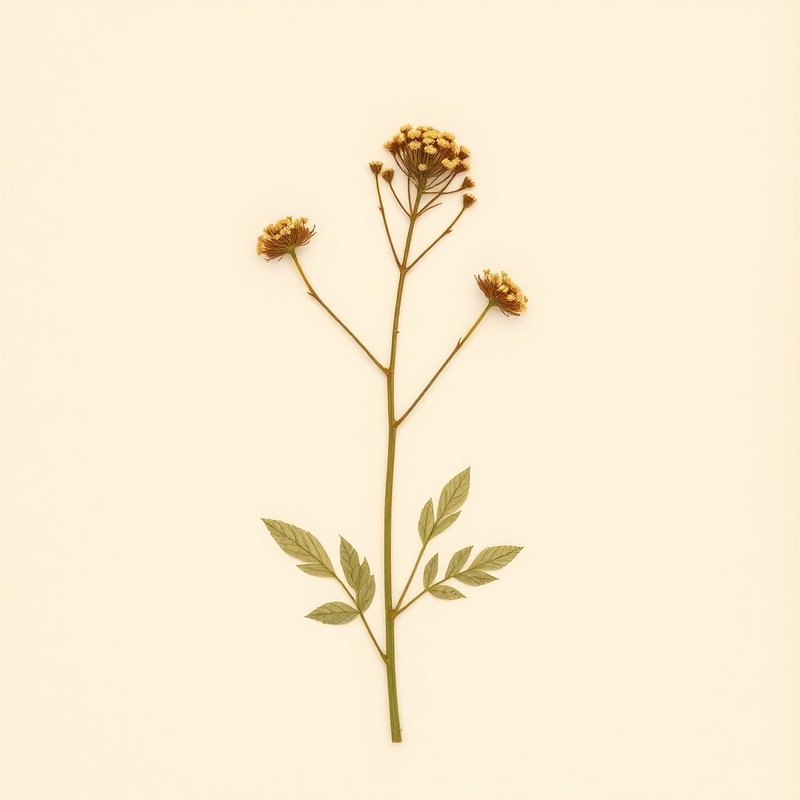
Pl. ECB9 — Petasites speciosa
Petasites speciosaPetasites speciosaPetasites speciosaPetasites speciosaPetasites speciosaPetasites speciosaPetasites speciosaPetasites speciosaPetasites speciosaPetasites speciosaPetasites speciosaPetasites speciosaPetasites speciosaPetasites speciosa
IOverview
Overview
Petasites speciosa, known as giant rhubarb or umbrella plant, is a perennial herb native to central and eastern Europe. This plant thrives in moist, wet conditions with light (sandy), medium, or heavy (clay) soil, making it adaptable but preferring a pH of 7.5–8. Its large, edible leaves are the primary part used for culinary purposes, offering a mild rhubarb-like flavor. One distinctive feature is its umbrella-shaped flower clusters that appear in spring, while another notable characteristic is its size; the plant can grow quite tall and wide, often reaching up to 2 meters in height.
Quick answers
What is Petasites speciosa?
Petasites speciosa, known as giant rhubarb or umbrella plant, is a perennial herb native to central and eastern Europe. This plant thrives in moist, wet conditions with light (sandy), medium, or heavy (clay) soil, making it adaptable but preferring a pH of 7.
Growingconditions · propagation · uses
VCultivation
Cultivation
Petasites speciosa thrives in moist to wet conditions and prefers light (sandy), medium, or heavy (clay) soils. It is a perennial forb/herb that requires full sun to partial shade with moderate light needs. For optimal growth, maintain consistently moist soil; avoid drought. The plant can be propagated through division of the rhizomes in early spring. Leaves are edible and can be harvested for use as a spinach substitute. Soil pH should be maintained between 7.5 and 8. This plant is hardy in temperate regions.
Light
7/10
Water
Moist, wet
Soil
Light (sandy), Medium, Heavy (clay)
Life cycle
Perennial
Habit
Forb/herb
Soil pH
7.5–8
For first-time growers
How to grow Petasites speciosa for the first time
8steps
Start with Petasites speciosa as a simple, low-maintenance perennial for your garden.
- 1
What you'll need
A healthy Petasites speciosa plant or division, well-draining soil, and a container if planting in pots.
- 2
Best time to plant
Plant in early spring before new growth starts or in late summer after the heat has passed.
- 3
Soil and container prep
Ensure the soil is moist but well-draining, with a pH of 7.5–8. Use a pot with good drainage holes if planting in containers.
- 4
Sowing or transplanting
Transplant divisions from an established plant or purchase a healthy plant from a nursery.
- 5
First two weeks
Water the plant regularly to keep the soil moist but not waterlogged. Avoid direct sunlight for the first few days.
- 6
Ongoing care
Provide partial shade and regular watering, especially during dry spells. Fertilize sparingly with a balanced fertilizer in early spring.
- 7
Harvest or pruning
Prune dead foliage in late winter to maintain the plant's health and appearance.
- 8
Common mistakes
Overwatering, planting in full sun, using soil with incorrect pH, and not providing enough shade are common issues.
VIEdible & utility
Edible & utility
Edible parts:Leaves
Edible uses: Salt
Contextrange · companions · related
VIIDistribution
30 native · 0 introduced
Distribution
30 native · 0 introducedDistribution across2 continents· 30 native
Europe21 regions
native (21)AustriaBelarusBelgiumBulgariaDenmarkFranceGermanyGreeceHungaryIrelandItalyNetherlandsNorwayPolandRomaniaRussiaSpainSwedenSwitzerlandUkraineUnited Kingdom
Asia1 region
native (1)Iran
Broader regions
native:Baltic States, Czechoslovakia, Transcaucasus
IXSpecimen gallery
1 image
Specimen gallery
1 imageXI
Explore further
Companion planting
XII
About this entry
- Last updated
- Citation
- How to cite this entry · Submit a correction
Back to the cataloguePlant id · ecb9c82c-e6ca-4d47-aaac-8f04049784de
Decision aid
Choosing between Petasites speciosa and something else?
Continue reading
❦❦❦❦
Endpaper · archive updates
Get archive updates
Occasional email when substantial new content lands — plant profiles, seasonal growing notes, folk-remedy additions. Free, no tracking, unsubscribe anytime.