
Senegal Date Palm
Phoenix reclinata
Educational content — not medical, botanical, or professional advice. Plant identification, safety, and edibility depend on local conditions, cultivars, and correct identification. Consult a qualified botanist or forager before consuming or handling wild specimens. How we source & review →
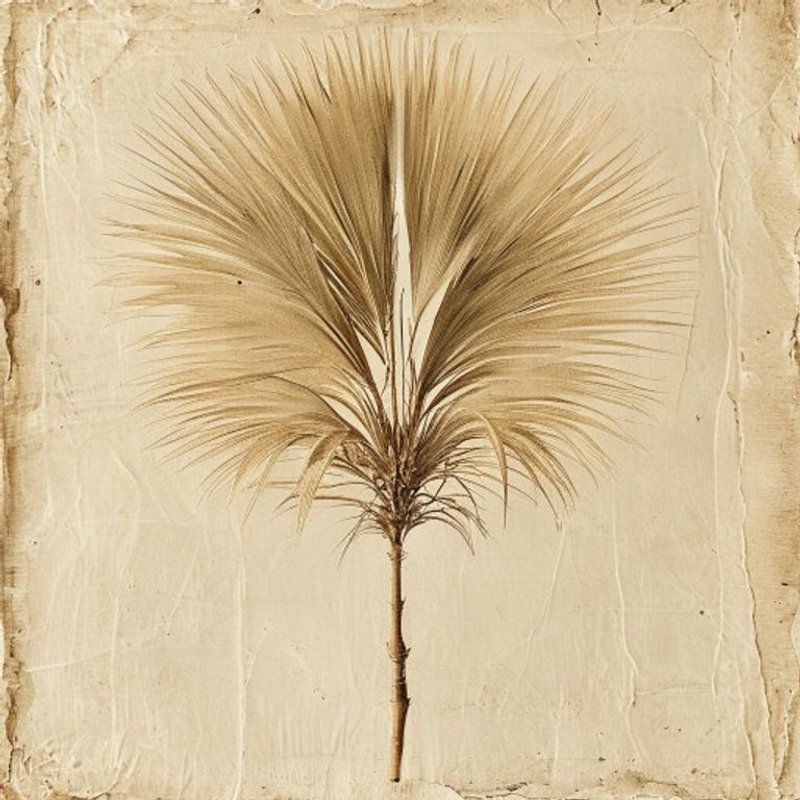
Pl. 8962 — Phoenix reclinata
Phoenix reclinataPhoenix reclinataPhoenix reclinataPhoenix reclinataPhoenix reclinataPhoenix reclinataPhoenix reclinataPhoenix reclinataPhoenix reclinataPhoenix reclinataPhoenix reclinataPhoenix reclinataPhoenix reclinataPhoenix reclinata
IOverview
Overview
The Senegal Date Palm (Phoenix reclinata) is a tree native to regions including KwaZulu-Natal, Mozambique, Angola, Benin, Botswana, Burkina Faso, and Burundi. Known for its ornamental value and edible fruit, this palm thrives in full sun with well-drained soil that can be either dry or moist. It grows up to 6 meters tall and is hardy in zones 9-11. One distinctive feature of the Senegal Date Palm is its ability to adapt to various soil types, making it a versatile addition to landscapes. Its edible fruit adds another layer of value, making it a useful plant for those interested in sustainable food sources.
Quick answers
What is Senegal Date Palm?
The Senegal Date Palm (Phoenix reclinata) is a tree native to regions including KwaZulu-Natal, Mozambique, Angola, Benin, Botswana, Burkina Faso, and Burundi. Known for its ornamental value and edible fruit, this palm thrives in full sun with well-drained soil that can be either dry or moist.
Growingconditions · propagation · uses
VCultivation
Cultivation
The Senegal Date Palm thrives in full sun and prefers well-draining soil that can be either light (sandy) or medium. It is drought-tolerant but will produce fruit better with regular moisture. This palm grows to about 6 meters tall and is hardy in zones 9-11, making it suitable for warm climates. For propagation, use seeds or divide the plant during transplantation.
Light
Full sun
Water
Dry, Moist
Soil
Light (sandy), Medium
Hardiness
9-11
Habit
Tree
Mature size
6.0 m tall
For first-time growers
How to grow Senegal Date Palm for the first time
8steps
Start with a Senegal Date Palm to add a tropical touch to your garden, suitable for beginners.
- 1
What you'll need
A young Senegal Date Palm tree and a large pot or planting area.
- 2
Best time to plant
Plant in spring when the weather is warming up.
- 3
Soil and container prep
Use well-draining soil, either in a container with drainage holes or in an open garden bed.
- 4
Sowing or transplanting
Transplant from a pot to your chosen location or plant directly if starting outdoors.
- 5
First two weeks
Water regularly but avoid overwatering, as the tree needs time to settle in.
- 6
Ongoing care
Provide full sun and water only when the soil is dry. Fertilize once a year during spring.
- 7
Harvest or pruning
Prune dead fronds to maintain the tree's health, but fruit is not commonly harvested for beginners.
- 8
Common mistakes
Overwatering, planting in heavy soil, and neglecting to prune dead leaves.
VIEdible & utility
Edible & utility
Edible parts:Fruit
Edible uses: Coffee
Contextrange · companions · related
VIIDistribution
30 native · 0 introduced
Distribution
30 native · 0 introducedDistribution across2 continents· 30 native
Asia1 region
native (1)Saudi Arabia
Africa23 regions
native (23)AngolaBeninBotswanaBurkina FasoBurundiCameroonComorosCôte d'IvoireDjiboutiEritreaEthiopiaGabonGambiaGhanaGuineaGuinea-BissauKenyaLiberiaMalawiNamibiaNigeriaRwandaUganda
Broader regions
native:Cape Provinces, Caprivi Strip, Central African Repu, Congo, KwaZulu-Natal, Northern Provinces
IXSpecimen gallery
1 image
Specimen gallery
1 imageXI
Explore further
Companion planting
Growing zone
XII
About this entry
- Last updated
- Citation
- How to cite this entry · Submit a correction
Back to the cataloguePlant id · 89623f60-211a-4a32-bbf2-2a61d6eb5409
Decision aid
Choosing between Senegal Date Palm and something else?
Continue reading
❦❦❦❦
Endpaper · archive updates
Get archive updates
Occasional email when substantial new content lands — plant profiles, seasonal growing notes, folk-remedy additions. Free, no tracking, unsubscribe anytime.