
Frogfruit
Phyla nodiflora
Educational content — not medical, botanical, or professional advice. Plant identification, safety, and edibility depend on local conditions, cultivars, and correct identification. Consult a qualified botanist or forager before consuming or handling wild specimens. How we source & review →
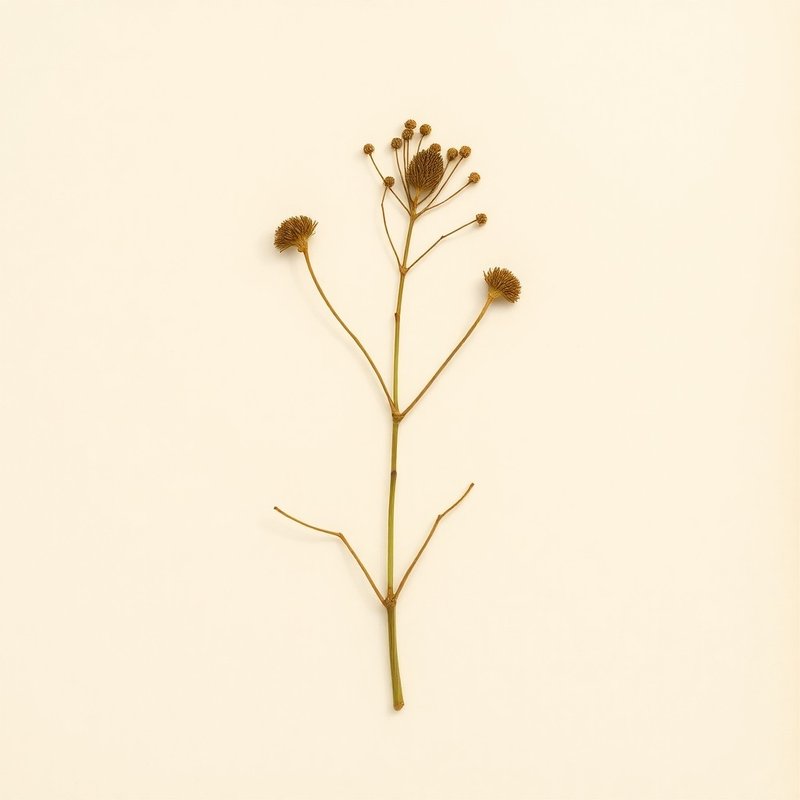
Pl. FBFD — Phyla nodiflora
Phyla nodifloraPhyla nodifloraPhyla nodifloraPhyla nodifloraPhyla nodifloraPhyla nodifloraPhyla nodifloraPhyla nodifloraPhyla nodifloraPhyla nodifloraPhyla nodifloraPhyla nodifloraPhyla nodifloraPhyla nodiflora
IOverview
Overview
Frogfruit (Phyla nodiflora) is a perennial forb or herb native to regions spanning from North America and South America to Africa, Asia, and the Caribbean. Known for its edible leaves, this plant thrives in various habitats including Alabama, Albania, Aldabra, and Algeria. It prefers well-drained soils that are light (sandy), medium, or heavy (clay) with a pH range of 6 to 8.5, making it adaptable to both dry and moist conditions. Frogfruit is often found in areas with a hardiness zone between 8-12, where it can grow up to 0.2 meters tall. Its light requirements are moderate, aligning with its widespread distribution across diverse climates.
Quick answers
What is Frogfruit?
Frogfruit (Phyla nodiflora) is a perennial forb or herb native to regions spanning from North America and South America to Africa, Asia, and the Caribbean. Known for its edible leaves, this plant thrives in various habitats including Alabama, Albania, Aldabra, and Algeria.
Growingconditions · propagation · uses
VCultivation
Cultivation
Frogfruit thrives in light to medium soil with a pH between 6 and 8.5, preferring areas that are either dry or moist. It is hardy in temperate regions (zones 8-12) and can be propagated through stem cuttings. This perennial plant requires full sun to part shade and grows up to 0.2 meters tall. For best results, ensure the soil is well-draining but also able to retain some moisture. Harvest its edible leaves for culinary use.
Light
8/10
Water
Dry, Moist
Soil
Light (sandy), Medium, Heavy (clay)
Hardiness
8-12
Life cycle
Perennial
Habit
Forb/herb
Mature size
0.2 m tall
Soil pH
6–8.5
For first-time growers
How to grow Frogfruit for the first time
7steps
Frogfruit is a low-maintenance plant that's perfect for beginners looking to add some greenery without too much effort.
- 1
What you'll need
Seeds or small plants, potting soil, a container with drainage holes.
- 2
Best time to plant
Plant in spring after the last frost or in fall before the first freeze.
- 3
Soil and container prep
Use well-draining soil and ensure your container has adequate drainage holes.
- 4
Sowing or transplanting
Direct sow seeds outdoors once the soil is warm, or start them indoors 4-6 weeks before planting outside.
- 5
First two weeks
Water regularly to keep the soil moist but not waterlogged. Place in a sunny spot.
- 6
Ongoing care
Fertilize sparingly with a balanced fertilizer every few months. Water when the top inch of soil feels dry.
- 7
Harvest or pruning
Prune regularly to maintain shape and encourage new growth, but avoid cutting back too much.
VIEdible & utility
Edible & utility
Edible parts:Leaves
Edible uses: Tea
Other uses:Pest controlGround cover
Contextrange · companions · related
VIIDistribution
30 native · 0 introduced
Distribution
30 native · 0 introducedDistribution across4 continents· 30 native
Europe2 regions
native (2)CyprusFrance
Asia3 regions
native (3)CambodiaChinaGeorgia
Americas6 regions
native (6)ColombiaCosta RicaCubaDominican RepublicEcuadorEl Salvador
Africa6 regions
native (6)ChadDjiboutiEgyptEritreaEthiopiaGhana
Broader regions
native:Cape Provinces, Caprivi Strip, Caroline Is., Central African Repu, Chagos Archipelago, Chile Central, Chile North, East Himalaya, Florida, Free State, Galápagos, California
IXSpecimen gallery
1 image
Specimen gallery
1 imageXI
Explore further
Companion planting
Growing zone
XII
About this entry
- Last updated
- Citation
- How to cite this entry · Submit a correction
Back to the cataloguePlant id · fbfd85c6-60cf-4862-a231-e54577278952
Decision aid
Choosing between Frogfruit and something else?
Continue reading
❦❦❦❦
Endpaper · archive updates
Get archive updates
Occasional email when substantial new content lands — plant profiles, seasonal growing notes, folk-remedy additions. Free, no tracking, unsubscribe anytime.