
Emblica
Phyllanthus emblica
Educational content — not medical, botanical, or professional advice. Plant identification, safety, and edibility depend on local conditions, cultivars, and correct identification. Consult a qualified botanist or forager before consuming or handling wild specimens. How we source & review →
Garden journal pausedUse profile notes below
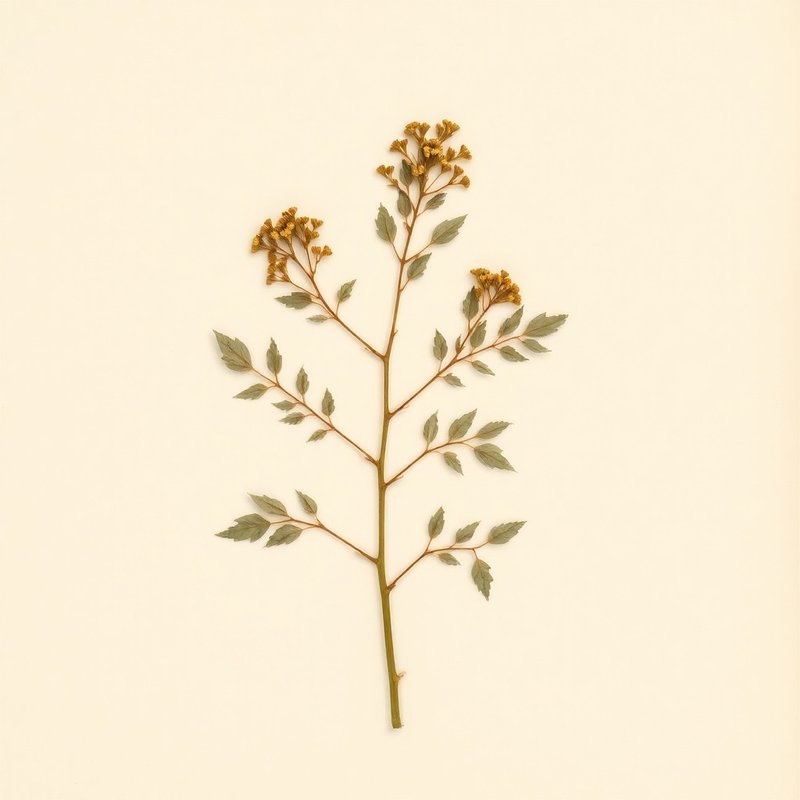
Pl. 13A0 — Phyllanthus emblica
Phyllanthus emblicaPhyllanthus emblicaPhyllanthus emblicaPhyllanthus emblicaPhyllanthus emblicaPhyllanthus emblicaPhyllanthus emblicaPhyllanthus emblicaPhyllanthus emblicaPhyllanthus emblicaPhyllanthus emblicaPhyllanthus emblicaPhyllanthus emblicaPhyllanthus emblica
IOverview
Overview
Phyllanthus emblica, commonly known as Emblica, is a deciduous shrub native to tropical and subtropical regions of Asia, including countries such as Assam, Bangladesh, Cambodia, China (South-Central and Southeast), East Himalaya, Hainan, India, Jawa, Laos, Lesser Sunda Islands, Malaya, Myanmar, Pakistan, Sri Lanka, Sumatera, Taiwan, Thailand, Vietnam, and West Himalaya. This versatile plant is valued for its edible fruits, leaves, and seeds, making it an important food source in many areas. Its adaptability to various soil types—ranging from light sandy to heavy clay—and its ability to thrive in dry to moist conditions with full sun exposure make it a resilient species. Emblica can reach up to 15 meters in height, adding ornamental value to landscapes with its lush foliage and fruit-bearing capabilities. In cultivation, Phyllanthus emblica thrives in full sun and is adaptable to various soil types, including light (sandy), medium, and heavy (clay). It prefers dry to moist conditions but can tolerate drier environments. Hardy in zones 10-12, this plant grows best in temperate regions. For propagation, consider using seeds or cuttings from the fruit, leaves, or seed parts. Its utility extends beyond its ornamental value; it is also used as a fire starter, dye, filter, lumber, cover crop, hair treatment, ink, mordant, oil, pectin source, pioneer species, soil reclamation, textiles, tannin provider, and coppice material. Introduced into regions such as the Andaman Islands, Cuba, Mauritius, Puerto Rico, Trinidad-Tobago, and Windward Islands, Emblica continues to be an important plant in both its native and introduced ranges.
Quick answers
What is Emblica?
Phyllanthus emblica, commonly known as Emblica, is a deciduous shrub native to tropical and subtropical regions of Asia, including countries such as Assam, Bangladesh, Cambodia, China (South-Central and Southeast), East Himalaya, Hainan, India, Jawa, Laos, Lesser Sunda Islands, M
Growingconditions · propagation · uses
VCultivation
Cultivation
Phyllanthus emblica thrives in full sun and is adaptable to various soil types, including light (sandy), medium, and heavy (clay). It prefers dry to moist conditions but can tolerate drier environments. Hardy in zones 10-12, this plant grows best in temperate regions with a height of up to 15 meters. For propagation, consider using seeds or cuttings from the fruit, leaves, or seed parts.
Light
Full sun
Water
Dry, Moist
Soil
Light (sandy), Medium, Heavy (clay)
Hardiness
10-12
Mature size
15.0 m tall
For first-time growers
How to grow Emblica for the first time
8steps
Start with a simple, sunny spot and basic care for Emblica.
- 1
What you'll need
Seeds or young plants, potting soil, containers if planting in pots.
- 2
Best time to plant
Plant seeds or transplant young plants during the spring season when temperatures are mild.
- 3
Soil and container prep
Use a well-draining potting mix. Ensure containers have drainage holes.
- 4
Sowing or transplanting
Direct sow seeds in the soil surface, cover lightly. Transplant young plants carefully to avoid damaging roots.
- 5
First two weeks
Keep the soil moist but not waterlogged. Place in a sunny spot and protect from strong winds.
- 6
Ongoing care
Water when the top inch of soil feels dry, especially during hot weather. Fertilize lightly once a year with organic compost.
- 7
Harvest or pruning
Prune in late winter to maintain shape and remove dead branches. Harvest fruits as they turn yellow.
- 8
Common mistakes
Overwatering, planting in heavy soil, not providing enough sunlight, neglecting pruning, using chemical fertilizers.
VIEdible & utility
Edible & utility
Edible parts:FruitLeavesSeed
Edible uses: Oil, Pectin
Other uses:Fire starterDyeFilterLumberCover cropHairInkMordantoilPectinPioneerSoil reclamationtextilesTanninCoppice
Contextrange · companions · related
VIIDistribution
21 native · 6 introduced
Distribution
21 native · 6 introducedDistribution across3 continents· 21 native· 6 introduced
Asia11 regions
native (11)BangladeshCambodiaChinaIndiaLaosMyanmarPakistanSri LankaTaiwanThailandVietnam
Americas2 regions
introduced (2)CubaPuerto Rico
Africa1 region
introduced (1)Mauritius
Broader regions
native:Borneo, East Himalaya, Hainan, Jawa, Lesser Sunda Is., Malaya, Sumatera, West Himalaya
introduced:Andaman Is., Trinidad-Tobago, Windward Is.
IXSpecimen gallery
1 image
Specimen gallery
1 imageXI
Explore further
XII
About this entry
- Last updated
- Citation
- How to cite this entry · Submit a correction
Back to the cataloguePlant id · 13a02e6d-cffc-415f-b3d8-99bcb5daf231
Decision aid
Choosing between Emblica and something else?
Continue reading
❦❦❦❦
Endpaper · archive updates
Get archive updates
Occasional email when substantial new content lands — plant profiles, seasonal growing notes, folk-remedy additions. Free, no tracking, unsubscribe anytime.
Newsletter returning soon.
We are rebuilding the update list around a lightweight editorial workflow. New dispatches will resume after the next content review cycle.