
Golden Bamboo
Phyllostachys aurea
Educational content — not medical, botanical, or professional advice. Plant identification, safety, and edibility depend on local conditions, cultivars, and correct identification. Consult a qualified botanist or forager before consuming or handling wild specimens. How we source & review →
Garden journal pausedUse profile notes below
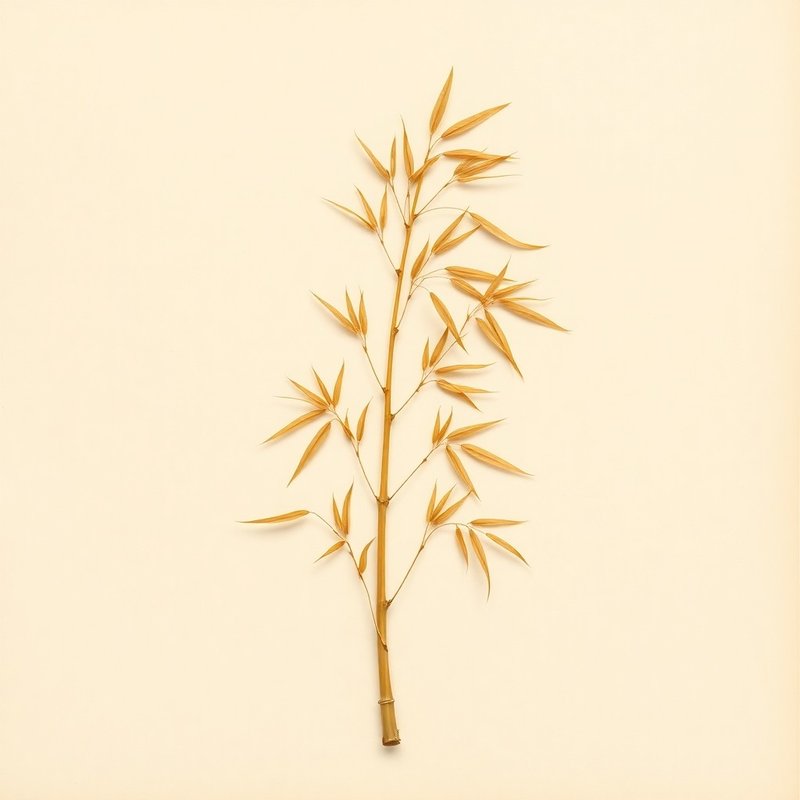
Pl. FC75 — Phyllostachys aurea
Phyllostachys aureaPhyllostachys aureaPhyllostachys aureaPhyllostachys aureaPhyllostachys aureaPhyllostachys aureaPhyllostachys aureaPhyllostachys aureaPhyllostachys aureaPhyllostachys aureaPhyllostachys aureaPhyllostachys aureaPhyllostachys aureaPhyllostachys aurea
IOverview
Overview
Golden Bamboo (Phyllostachys aurea) is a versatile and attractive plant native to the humid forests of China Southeast and Vietnam. This member of the grass family thrives in partial sun or shade with moist soil that can be light (sandy), medium, or heavy (clay). It grows well in USDA hardiness zones 6-11, reaching heights of up to 6 meters. Known for its edible shoots and stems, which are often used in Asian cuisine, Golden Bamboo also serves as an ornamental plant due to its vibrant yellow culms that add a striking visual element to gardens. Its ability to grow in a range of soil pH levels from 5 to 7.5 makes it adaptable in various garden settings. Golden Bamboo is particularly useful for its edible parts, including the shoots and stems, which can be consumed raw or cooked as a vegetable. They are also suitable for drying and storing for later use. The plant's rapid growth rate and hardiness make it an excellent choice for landscaping and providing natural support structures in gardens. However, due to its invasive potential, care should be taken when introducing Golden Bamboo into new environments. This versatile bamboo can serve multiple purposes, from textile production to lumber and even as a practical garden element. Its ornamental value lies not only in the bright yellow culms but also in its ability to provide structure and privacy in outdoor spaces. While it is generally safe for观赏和食用,种植时仍需注意其潜在的侵入性。
Quick answers
What is Golden Bamboo?
Golden Bamboo (Phyllostachys aurea) is a versatile and attractive plant native to the humid forests of China Southeast and Vietnam. This member of the grass family thrives in partial sun or shade with moist soil that can be light (sandy), medium, or heavy (clay).
Growingconditions · propagation · uses
VCultivation
Cultivation
Golden Bamboo thrives in partial sun to shade and prefers moist, well-draining soil with a pH between 5 and 7.5. It is hardy in zones 6-11 and can grow up to 6 meters tall. This plant requires regular watering and can adapt to light (sandy), medium, or heavy (clay) soils. Propagation can be done through seeds, shoots, or stems. For best results, ensure the soil remains consistently moist while avoiding waterlogged conditions.
Light
Partial sun/shade
Water
Moist
Soil
Light (sandy), Medium, Heavy (clay)
Hardiness
6-11
Habit
Graminoid, Shrub, Vine
Mature size
6.0 m tall
Soil pH
5–7.5
For first-time growers
How to grow Golden Bamboo for the first time
7steps
Start with planting Golden Bamboo in a sunny to partially shaded area, ensuring you have the right soil and care basics down.
- 1
What you'll need
A healthy Golden Bamboo plant or seedling, garden gloves, a spade, and mulch.
- 2
Best time to plant
Plant in spring or early fall when the weather is cooler and more stable.
- 3
Soil and container prep
Ensure soil is well-draining with a pH between 5 and 7.5, and loosen it to about 30 cm deep before planting.
- 4
Sowing or transplanting
Transplant young plants or divide mature clumps in early spring or late fall.
- 5
First two weeks
Water regularly to keep the soil moist but not waterlogged, and mulch around the base for moisture retention.
- 6
Ongoing care
Provide partial shade during hot afternoons, especially in warmer climates. Water deeply once a week, depending on rainfall.
- 7
Harvest or pruning
Prune dead or damaged canes to maintain the plant's health and appearance; shoot tips can be harvested for culinary use.
VIEdible & utility
Edible & utility
Edible parts:SeedShootsStem
Edible uses: Golden Bamboo (Phyllostachys aurea) is edible and can be consumed in various forms. The shoots are commonly eaten raw or cooked as a vegetable. They can also be dried for later use.
Other uses:textilesPlant supportLumber
Contextrange · companions · related
VIIDistribution
2 native · 46 introduced
Distribution
2 native · 46 introducedDistribution across4 continents· 2 native· 46 introduced
Europe2 regions
introduced (2)ItalySpain
Asia4 regions
native (2)ChinaVietnam
introduced (2)GeorgiaJapan
Americas10 regions
introduced (10)BoliviaColombiaCosta RicaCubaEcuadorEl SalvadorGuatemalaHondurasNicaraguaPeru
Africa1 region
introduced (1)Cameroon
Broader regions
introduced:Alabama, Arkansas, Brazil South, Brazil Southeast, Brazil West-Central, California, East Himalaya, Florida, Jawa, Kermadec Is., Lesser Sunda Is., Louisiana, Maryland, Mexico Central, Mexico Northeast, Mississippi, Nansei-shoto, New South Wales, New Zealand North, North Carolina, Oregon, Queensland, South Australia, South Carolina, Sulawesi, Sumatera, Tennessee, Texas, Transcaucasus, Virginia
IXSpecimen gallery
1 image
Specimen gallery
1 imageXI
Explore further
Companion planting
Growing zone
Native to
XII
About this entry
- Last updated
- Citation
- How to cite this entry · Submit a correction
Back to the cataloguePlant id · fc75aaa9-5dd0-439b-9f0e-37f9379ca3df
Decision aid
Choosing between Golden Bamboo and something else?
Continue reading
❦❦❦❦
Endpaper · archive updates
Get archive updates
Occasional email when substantial new content lands — plant profiles, seasonal growing notes, folk-remedy additions. Free, no tracking, unsubscribe anytime.
Newsletter returning soon.
We are rebuilding the update list around a lightweight editorial workflow. New dispatches will resume after the next content review cycle.