
Black Bamboo
Phyllostachys nigra henonisfam. Bambusaceae
Educational content — not medical, botanical, or professional advice. Plant identification, safety, and edibility depend on local conditions, cultivars, and correct identification. Consult a qualified botanist or forager before consuming or handling wild specimens. How we source & review →
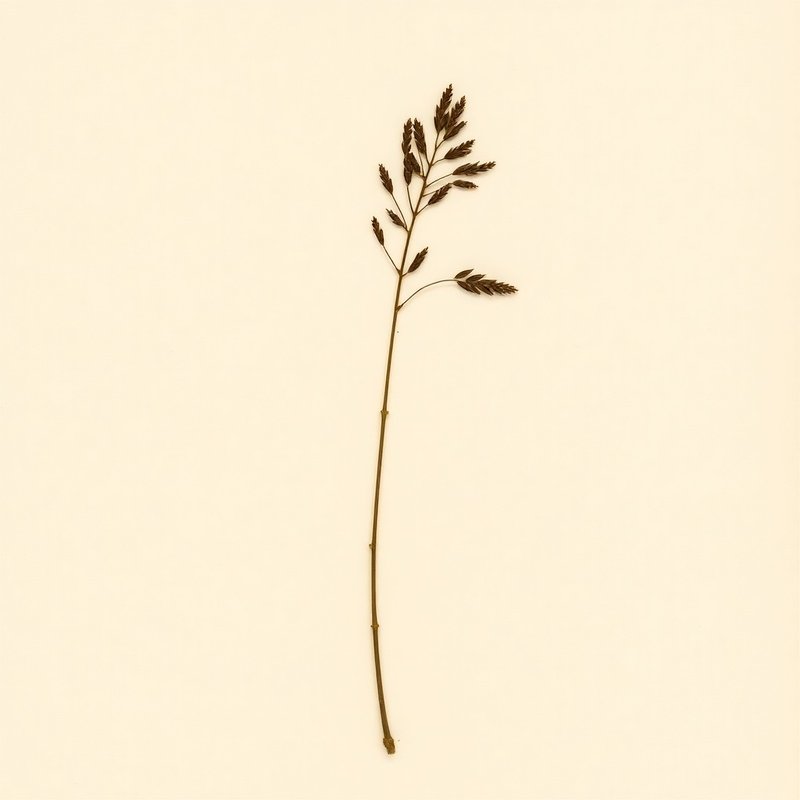
Pl. AADB — Phyllostachys nigra henonis
Phyllostachys nigra henonisPhyllostachys nigra henonisPhyllostachys nigra henonisPhyllostachys nigra henonisPhyllostachys nigra henonisPhyllostachys nigra henonisPhyllostachys nigra henonisPhyllostachys nigra henonisPhyllostachys nigra henonisPhyllostachys nigra henonisPhyllostachys nigra henonisPhyllostachys nigra henonisPhyllostachys nigra henonisPhyllostachys nigra henonis
IOverview
Overview
Phyllostachys nigra henonis, commonly known as black bamboo, is a member of the Bambusoideae subfamily and part of the grass family (Poaceae). Native to China's south-central and southeast regions, this plant has gained popularity for its edible shoots and ornamental value. It thrives in partial sun or shade with moist soil that can be light (sandy), medium, or heavy (clay) and is hardy in zones 6-9. One distinctive feature of black bamboo is its dark purple culms, which add a striking visual element to any landscape. The edible parts include the shoots and stems, making it a versatile plant for both culinary use and garden design.
Quick answers
What is Black Bamboo?
Phyllostachys nigra henonis, commonly known as black bamboo, is a member of the Bambusoideae subfamily and part of the grass family (Poaceae). Native to China's south-central and southeast regions, this plant has gained popularity for its edible shoots and ornamental value.
Growingconditions · propagation · uses
VCultivation
Cultivation
Phyllostachys nigra henonis thrives in partial sun to shade and prefers moist soil that is light (sandy), medium, or heavy (clay). It grows well in hardiness zones 6-9 and can reach a height of 6 meters. For cultivation, ensure the soil remains consistently moist but avoid overwatering. Harvest edible shoots and stems for culinary use.
Light
Partial sun/shade
Water
Moist
Soil
Light (sandy), Medium, Heavy (clay)
Hardiness
6-9
Mature size
6.0 m tall
For first-time growers
How to grow Black Bamboo for the first time
8steps
Start with Black Bamboo by ensuring you have the right conditions and care, making it a manageable project for beginners.
- 1
What you'll need
A young Black Bamboo plant or bamboo shoots, a container if planting in pots, potting soil, mulch, and water.
- 2
Best time to plant
Plant Black Bamboo in early spring when the ground is moist but not soggy.
- 3
Soil and container prep
Use well-draining soil with a mix of light (sandy), medium, or heavy clay. Ensure containers have drainage holes.
- 4
Sowing or transplanting
Transplant young bamboo plants into the prepared soil, ensuring roots are spread out and covered properly.
- 5
First two weeks
Keep the soil consistently moist but not waterlogged during the first few weeks to help establish the plant.
- 6
Ongoing care
Water regularly, especially in dry spells. Mulch around the base to retain moisture and suppress weeds.
- 7
Harvest or pruning
Prune dead or damaged canes for maintenance. Harvest young shoots if desired, but be cautious not to over-harvest.
- 8
Common mistakes
Over-watering, under-mulching, and over-pruning are common issues beginners should avoid.
VIEdible & utility
Edible & utility
Edible parts:ShootsStem
Edible uses: The shoots and stems of Phyllostachys nigra henonis are edible. They can be harvested young and prepared in various ways—typically eaten raw or cooked. The tender shoots are often steamed or stir-fried to enhance their flavor. Skip the preparation details for brevity.
Other uses:Weaving materialHedgerowPlant support
Contextrange · companions · related
VIIDistribution
2 native · 9 introduced
Distribution
2 native · 9 introducedDistribution across2 continents· 2 native· 9 introduced
Asia6 regions
native (1)China
introduced (5)ChinaJapanPhilippinesSouth KoreaVietnam
Americas1 region
introduced (1)United States
Broader regions
introduced:Nansei-shoto, New Zealand North
IXSpecimen gallery
1 image
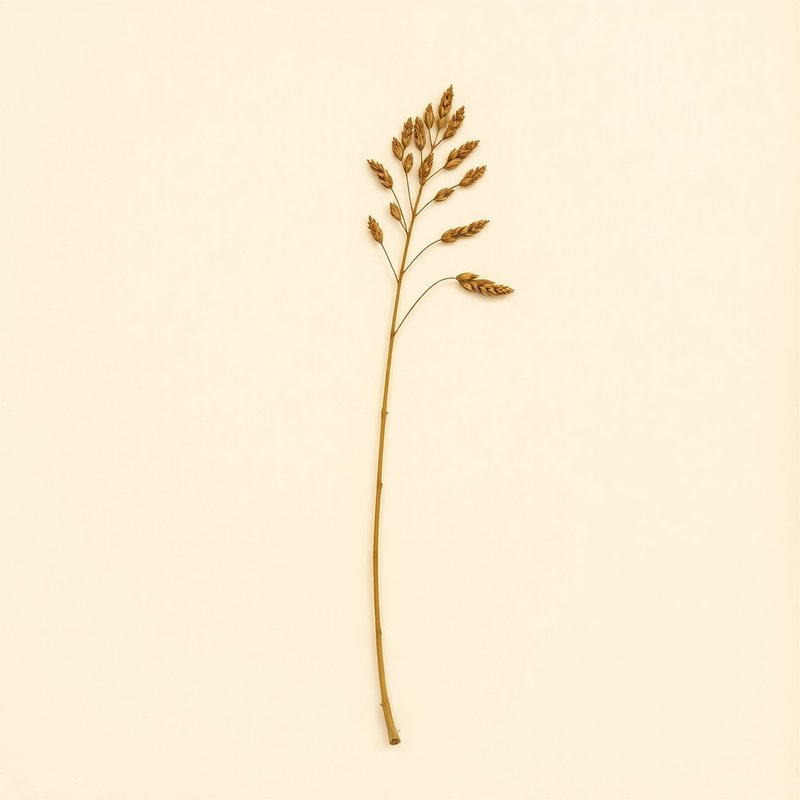
Specimen gallery
1 imageXSee also
4 related
See also
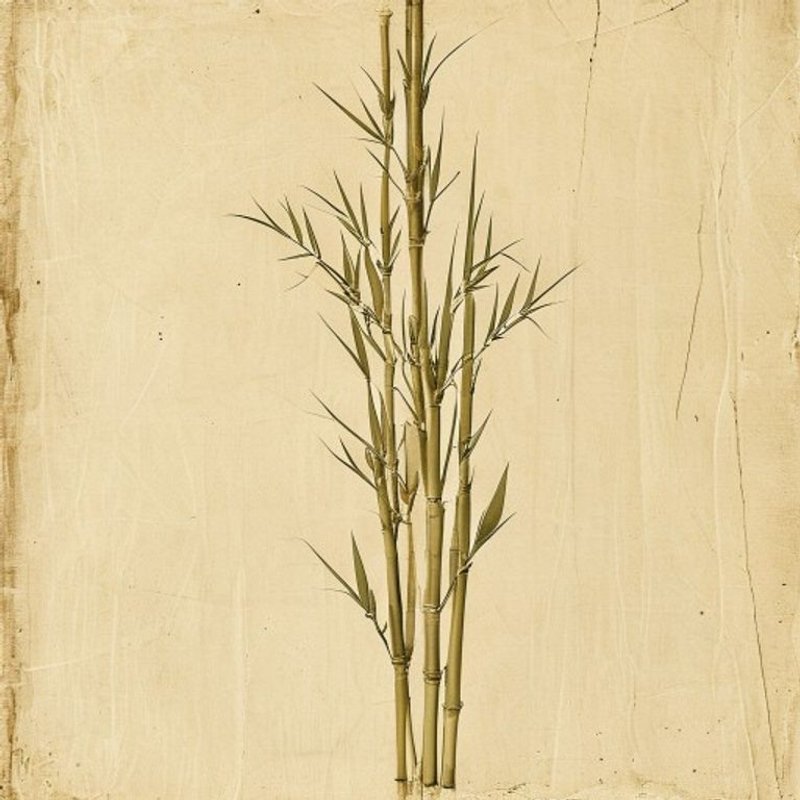
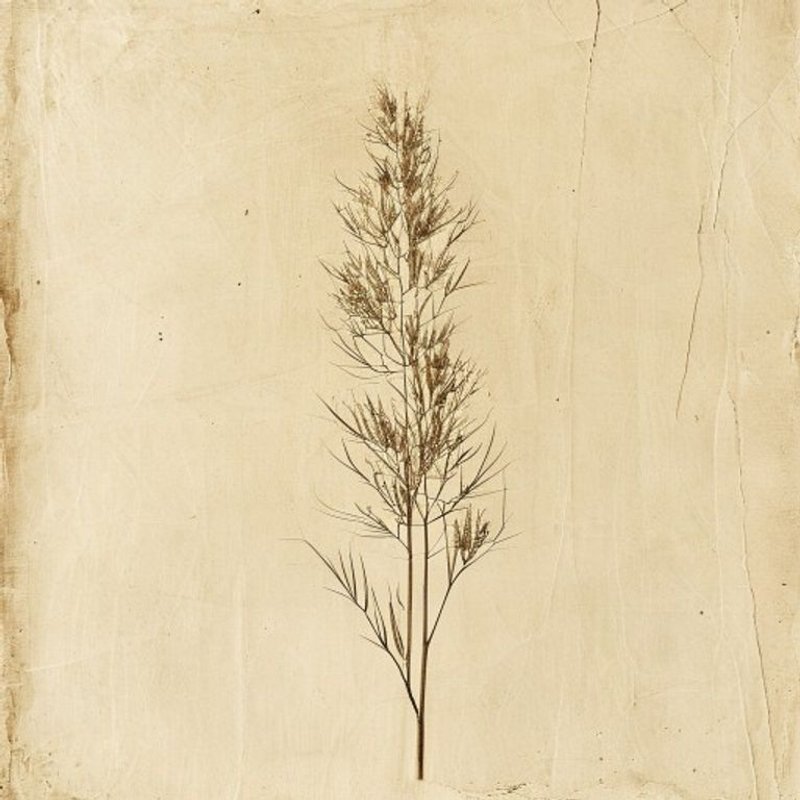
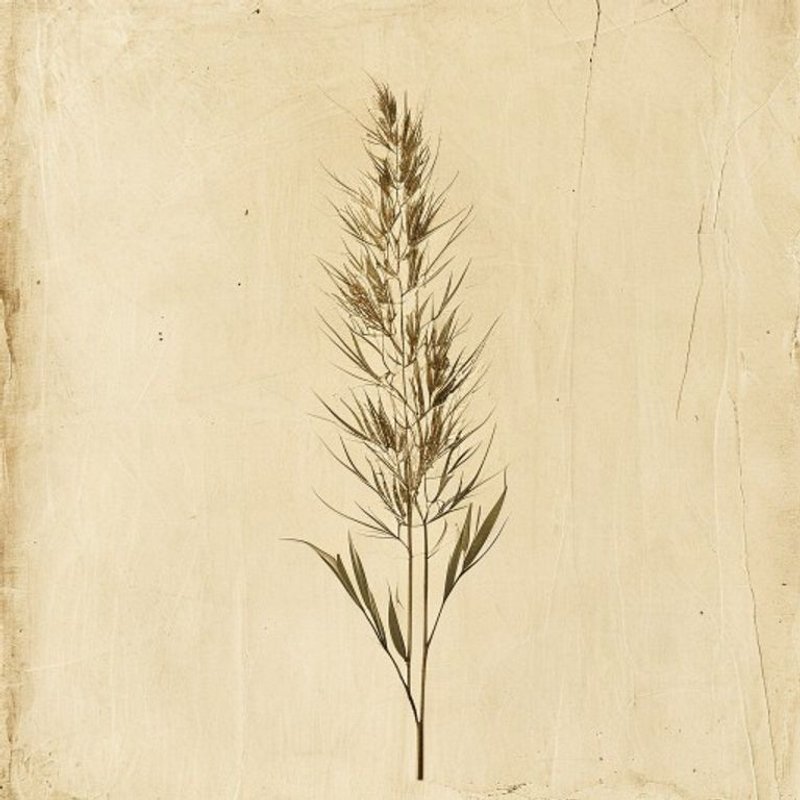
4 relatedPlants you might compare or use together — scored by shared family (Bambusaceae), common use cases, and growing requirements.
same family · Bambusaceae
Botanical relatives — often share phytochemistry + growing needs.
XI
Explore further
Companion planting
Compare with similar plants
Growing zone
XII
About this entry
- Last updated
- Citation
- How to cite this entry · Submit a correction
Back to the cataloguePlant id · aadb17a1-a91e-4096-9bbc-cdb63b9a24cd
Decision aid
Choosing between Black Bamboo and something else?
Continue reading
❦❦❦❦
Endpaper · archive updates
Get archive updates
Occasional email when substantial new content lands — plant profiles, seasonal growing notes, folk-remedy additions. Free, no tracking, unsubscribe anytime.