
Phyllostachys nigra punctata
Phyllostachys nigra punctata
Educational content — not medical, botanical, or professional advice. Plant identification, safety, and edibility depend on local conditions, cultivars, and correct identification. Consult a qualified botanist or forager before consuming or handling wild specimens. How we source & review →
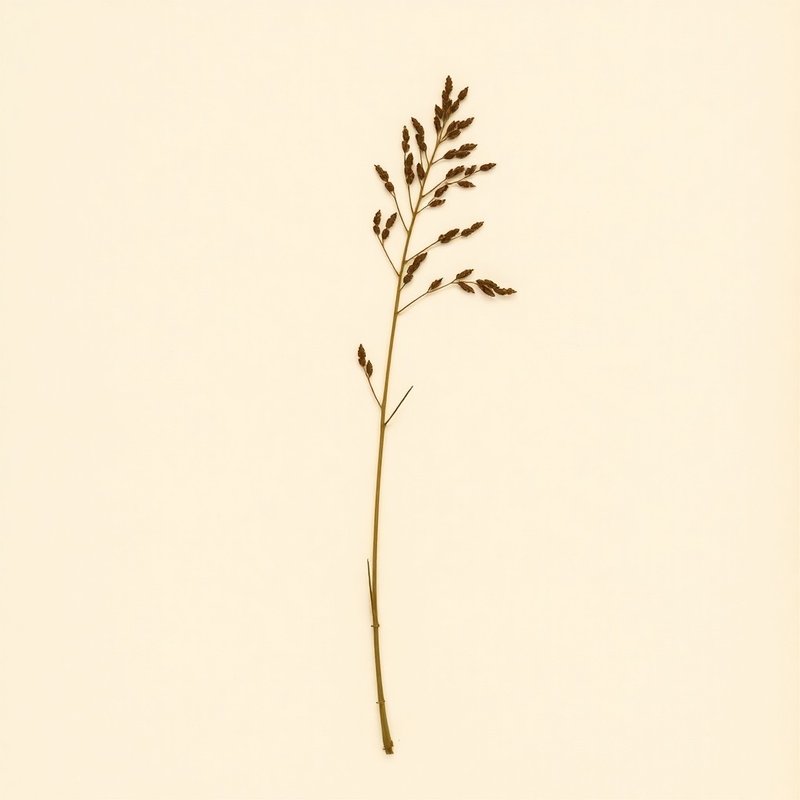
Pl. 4108 — Phyllostachys nigra punctata
Phyllostachys nigra punctataPhyllostachys nigra punctataPhyllostachys nigra punctataPhyllostachys nigra punctataPhyllostachys nigra punctataPhyllostachys nigra punctataPhyllostachys nigra punctataPhyllostachys nigra punctataPhyllostachys nigra punctataPhyllostachys nigra punctataPhyllostachys nigra punctataPhyllostachys nigra punctataPhyllostachys nigra punctataPhyllostachys nigra punctata
IOverview
Overview
Phyllostachys nigra punctata, commonly known as black bamboo, is a member of the Bambusoideae subfamily and belongs to the grass family Poaceae. Native to southeastern China, this plant thrives in partial sun or shade with moist, well-drained soil that can be light (sandy), medium, or heavy (clay). It is hardy in zones 6-9 and grows up to 6 meters tall. Known for its edible shoots and stems, which are often used in Asian cuisine, this bamboo also serves as an ornamental plant due to its distinctive dark black culms. Its unique appearance makes it a popular choice for gardens and landscapes.
Quick answers
What is Phyllostachys nigra punctata?
Phyllostachys nigra punctata, commonly known as black bamboo, is a member of the Bambusoideae subfamily and belongs to the grass family Poaceae. Native to southeastern China, this plant thrives in partial sun or shade with moist, well-drained soil that can be light (sandy), medium, or heavy (clay).
Growingconditions · propagation · uses
VCultivation
Cultivation
Phyllostachys nigra punctata thrives in partial sun to shade and prefers moist soil that is light (sandy), medium, or heavy (clay). It grows well in hardiness zones 6-9 and can reach a height of 6 meters. For propagation, shoot and stem cuttings are effective methods. Ensure the soil remains consistently moist for best growth.
Light
Partial sun/shade
Water
Moist
Soil
Light (sandy), Medium, Heavy (clay)
Hardiness
6-9
Mature size
6.0 m tall
For first-time growers
How to grow Phyllostachys nigra punctata for the first time
8steps
Start with Phyllostachys nigra punctata as a simple, low-maintenance addition to your garden.
- 1
What you'll need
A young plant or rhizome, gardening gloves, and a trowel.
- 2
Best time to plant
Plant in spring when the soil is moist but not waterlogged.
- 3
Soil and container prep
Ensure the soil is well-draining with a mix of light sand, medium loam, and clay. For containers, use a pot at least 30 cm wide.
- 4
Sowing or transplanting
Plant rhizomes about 15-20 cm deep and space them 60-90 cm apart for good growth.
- 5
First two weeks
Water regularly to keep the soil moist but not soggy. Avoid direct sunlight during this period.
- 6
Ongoing care
Provide partial shade, especially in hot climates. Water when the top inch of soil feels dry.
- 7
Harvest or pruning
Prune dead or damaged canes to maintain a neat appearance and encourage new growth.
- 8
Common mistakes
Overwatering, planting too deep, not providing enough shade, and neglecting to prune.
VIEdible & utility
Edible & utility
Edible parts:ShootsStem
Edible uses: The shoots and stems of Phyllostachys nigra punctata are edible. Typically, the tender young shoots are harvested in spring and can be eaten raw or cooked. The stems can also be used, often prepared by peeling and slicing before cooking.
Other uses:Weaving materialPlant support
Contextrange · companions · related
VIIDistribution
1 native · 23 introduced
Distribution
1 native · 23 introducedDistribution across4 continents· 1 native· 23 introduced
Europe2 regions
introduced (2)AustriaUnited Kingdom
Asia7 regions
native (1)China
introduced (6)ChinaGeorgiaJapanPhilippinesSouth KoreaVietnam
Americas1 region
introduced (1)United States
Africa1 region
introduced (1)Seychelles
Broader regions
introduced:Brazil Southeast, Jawa, Lesser Sunda Is., Maryland, Nansei-shoto, New South Wales, Queensland, South Carolina, Tennessee, Virginia, West Virginia, New Zealand North
IXSpecimen gallery
1 image
Specimen gallery
1 imageXI
Explore further
Companion planting
Growing zone
XII
About this entry
- Last updated
- Citation
- How to cite this entry · Submit a correction
Back to the cataloguePlant id · 4108997d-face-4e7a-b00c-afb8508456f5
Decision aid
Choosing between Phyllostachys nigra punctata and something else?
Continue reading
❦❦❦❦
Endpaper · archive updates
Get archive updates
Occasional email when substantial new content lands — plant profiles, seasonal growing notes, folk-remedy additions. Free, no tracking, unsubscribe anytime.