
Cutleaf Ground Cherry
IOverview
Overview
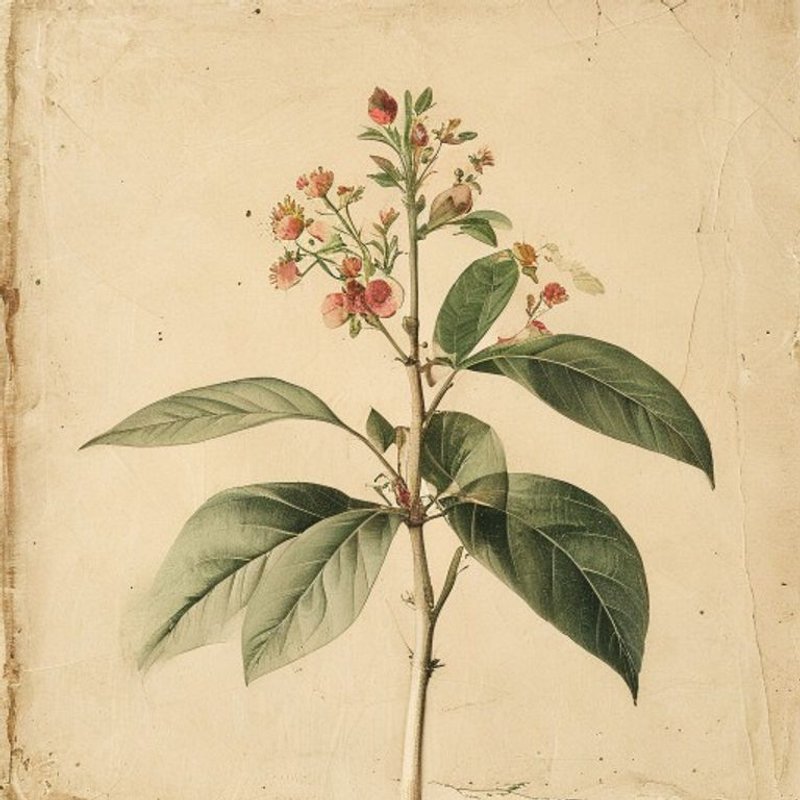
The Cutleaf Ground Cherry (Physalis angulata), an annual forb or herb from the Solanaceae family, is native to a wide range of regions including Alabama, Argentina, Arizona, and various Caribbean islands. This plant thrives in moist conditions with light to partial sun exposure and can be found growing in soils ranging from sandy to clay. It typically reaches a height of 0.8 meters and is known for its edible fruit and leaves, making it both ornamental and useful as an edible plant. Native to Central and South America, the Caribbean, and parts of North America, Cutleaf Ground Cherry showcases its adaptability to diverse environments. Its edible fruit, which resembles small tomatoes with a sweet, tangy flavor, can be eaten raw or used in jams and preserves. Leaves are occasionally used fresh in salads or cooked as a vegetable, adding a unique taste to dishes. While primarily grown for its culinary uses, this plant also serves as an attractive ornamental in gardens. It is important to note that while Cutleaf Ground Cherry is edible, it has the potential to be invasive in some areas due to its prolific growth and spread. Therefore, careful consideration should be given when introducing or cultivating this plant outside of its native range.
What is Cutleaf Ground Cherry?
The Cutleaf Ground Cherry (Physalis angulata), an annual forb or herb from the Solanaceae family, is native to a wide range of regions including Alabama, Argentina, Arizona, and various Caribbean islands.
VCultivation
Cultivation
How to grow Cutleaf Ground Cherry for the first time
Start with Cutleaf Ground Cherry as an easy-to-grow annual for your garden.
- 1
What you'll need
Seeds, small pots or trays, a sunny spot in the garden.
- 2
Best time to plant
Plant seeds indoors about 6-8 weeks before the last frost date.
- 3
Soil and container prep
Use well-draining soil with a mix of light (sandy), medium, or heavy clay. Ensure containers are at least 30 cm deep.
- 4
Sowing or transplanting
Start seeds indoors in small pots filled with seed starting mix. Transplant outdoors after all danger of frost has passed.
- 5
First two weeks
Keep the soil moist and provide partial shade to help young plants establish themselves.
- 6
Ongoing care
Water regularly, especially during dry spells. Fertilize lightly every 4-6 weeks with a balanced organic fertilizer.
- 7
Harvest or pruning
Prune occasionally to encourage bushier growth and remove any dead leaves. Harvest the fruit when it turns bright orange.
- 8
Common mistakes
Overwatering, planting in heavy shade, neglecting regular pruning.
VIEdible & utility
Edible & utility
VIIDistribution
50 native · 115 introduced
Distribution
50 native · 115 introducedIXSpecimen gallery
1 image
Specimen gallery
1 imageXSee also
2 related
See also
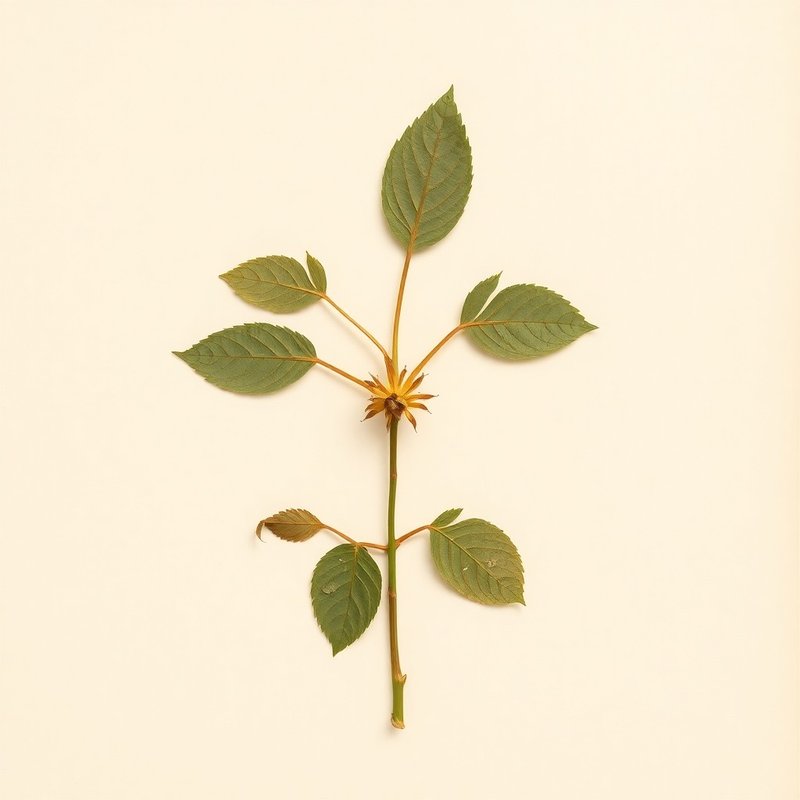
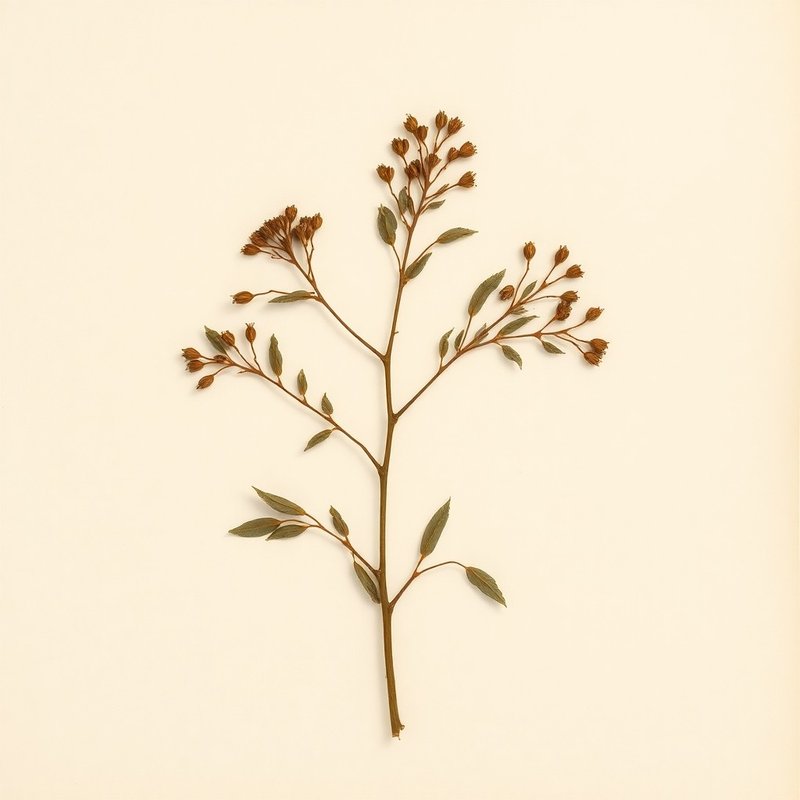
2 relatedPlants you might compare or use together — scored by shared family (Solonaceae), common use cases, and growing requirements.
Explore further
About this entry
- Last updated
- Citation
- How to cite this entry · Submit a correction
Continue reading
Get archive updates
Occasional email when substantial new content lands — plant profiles, seasonal growing notes, folk-remedy additions. Free, no tracking, unsubscribe anytime.