
Tomatillo
Physalis ixocarpa
Educational content — not medical, botanical, or professional advice. Plant identification, safety, and edibility depend on local conditions, cultivars, and correct identification. Consult a qualified botanist or forager before consuming or handling wild specimens. How we source & review →
Garden journal pausedUse profile notes below
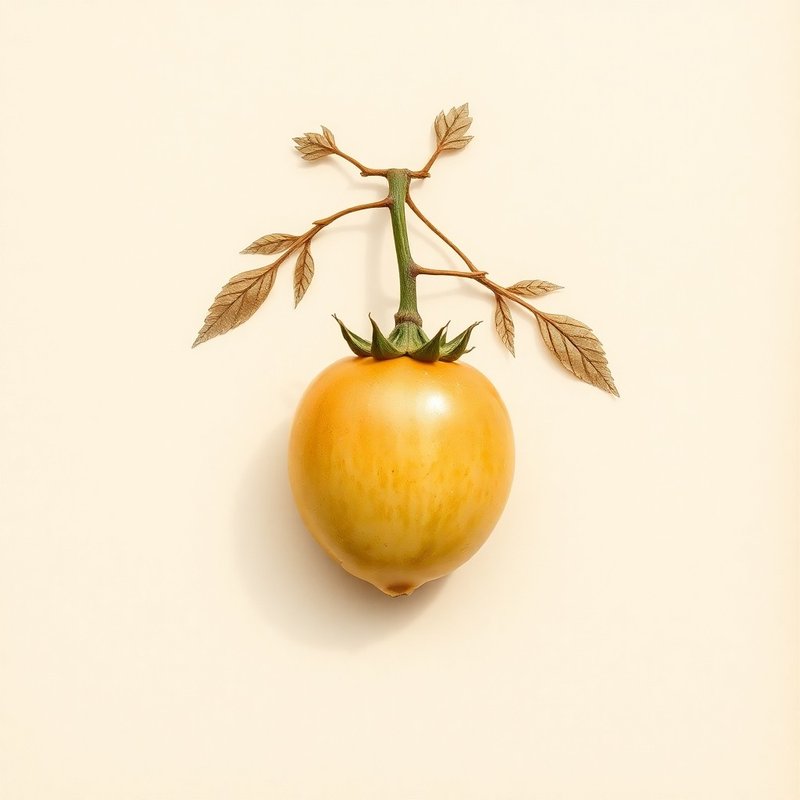
Pl. 124F — Physalis ixocarpa
Physalis ixocarpaPhysalis ixocarpaPhysalis ixocarpaPhysalis ixocarpaPhysalis ixocarpaPhysalis ixocarpaPhysalis ixocarpaPhysalis ixocarpaPhysalis ixocarpaPhysalis ixocarpaPhysalis ixocarpaPhysalis ixocarpaPhysalis ixocarpaPhysalis ixocarpa
IOverview
Overview
Tomatillo, scientifically known as Physalis ixocarpa, is an annual plant belonging to the nightshade family (Solanaceae). Native to northeastern and northwestern regions of Mexico, this adaptable species thrives in full sun to partial shade and can tolerate both dry and moist soils, making it suitable for various growing conditions. Standing at about 1.2 meters tall with a spread of 1 meter, tomatillo is not only an ornamental plant but also highly valued for its edible fruit. The distinctive feature of the tomatillo is its papery calyx that encases the green, pear-shaped fruit, providing both protection and a unique appearance. The fruit is typically harvested when it has turned a greenish-yellow and is slightly soft, making it ideal for use in salads or cooked dishes such as sauces and stews. Additionally, the fruit can be dried for seasoning purposes. Tomatillos have been introduced to various regions including Botswana, Egypt, Eritrea, Ethiopia, Greece, India, New Mexico, Portugal, Spain, Uzbekistan, West Siberia, Zambia, Zaïre, Zimbabwe, among others, showcasing its versatility and adaptability. While primarily used in culinary applications, this plant's ornamental value should not be overlooked due to its attractive foliage and distinctive fruit. When cultivating tomatillos, it is important to provide them with full sun or partial shade and well-draining soil that can be light (sandy), medium, or heavy (clay). They are hardy in zones 7-10 but require regular watering to keep the soil consistently moist. Propagation through seeds sown directly in the garden after all danger of frost has passed is recommended for successful growth.
Quick answers
What is Tomatillo?
Tomatillo, scientifically known as Physalis ixocarpa, is an annual plant belonging to the nightshade family (Solanaceae).
Growingconditions · propagation · uses
VCultivation
Cultivation
To grow tomatillos successfully, plant them in full sun or partial shade. They thrive in moist but well-draining soil that is light (sandy), medium, or heavy (clay). Tomatillos are hardy in zones 7-10 and prefer dry conditions. Water regularly to keep the soil consistently moist. These annual plants grow up to 1.2 meters tall and 1 meter wide. Propagate through seeds sown directly in the garden after all danger of frost has passed. Harvest the edible fruit when it turns green and is slightly soft.
Light
Full sun, Partial sun/shade
Water
Dry, Moist
Soil
Light (sandy), Medium, Heavy (clay)
Hardiness
7-10
Life cycle
Annual
Mature size
1.2 m × 1 m
For first-time growers
How to grow Tomatillo for the first time
8steps
Start with tomatillos for a simple and rewarding gardening experience.
- 1
What you'll need
Tomatillo seeds or seedlings, small stakes or cages, garden tools like trowels and pruners.
- 2
Best time to plant
Plant in spring after the last frost, when temperatures are consistently above 10°C (50°F).
- 3
Soil and container prep
Choose a well-draining soil with a pH between 6.0 and 7.0. Ensure containers have drainage holes.
- 4
Sowing or transplanting
Direct sow seeds 1 cm deep, spaced 30-45 cm apart in rows 90 cm apart. Transplant seedlings when they are 2-3 weeks old and have two sets of true leaves.
- 5
First two weeks
Water regularly to keep the soil moist but not waterlogged. Monitor for pests like aphids and spider mites.
- 6
Ongoing care
Provide full sun, 6-8 hours daily. Water deeply once a week, adjusting based on weather conditions. Fertilize lightly every few weeks with compost.
- 7
Harvest or pruning
Prune side shoots to encourage fruiting and maintain plant shape. Harvest when fruits are green and slightly soft, usually 60-90 days after planting.
- 8
Common mistakes
Overwatering, not providing enough support for the plants, neglecting pruning, using too much fertilizer, and ignoring pest control.
VIEdible & utility
Edible & utility
Edible parts:Fruit
Edible uses: The tomatillo's edible fruit is typically harvested when it has turned a greenish-yellow and is slightly soft. It can be eaten raw in salads or cooked in sauces and stews. The fruit is also often used dried for seasoning purposes.
Contextrange · companions · related
VIIDistribution
3 native · 18 introduced
Distribution
3 native · 18 introducedDistribution across3 continents· 3 native· 18 introduced
Europe4 regions
introduced (4)GreecePortugalRussiaSpain
Asia2 regions
introduced (2)IndiaUzbekistan
Africa6 regions
introduced (6)BotswanaEgyptEritreaEthiopiaZambiaZimbabwe
Broader regions
native:Mexico Northeast, Mexico Northwest, Mexico Southwest
introduced:New Mexico, New South Wales, Norfolk Is., Primorye, Queensland, Zaïre
IXSpecimen gallery
1 image
Specimen gallery
1 imageXI
Explore further
Companion planting
Growing zone
XII
About this entry
- Last updated
- Citation
- How to cite this entry · Submit a correction
Back to the cataloguePlant id · 124f541c-8255-423b-9c08-91db9f6650a0
Decision aid
Choosing between Tomatillo and something else?
Continue reading
❦❦❦❦
Endpaper · archive updates
Get archive updates
Occasional email when substantial new content lands — plant profiles, seasonal growing notes, folk-remedy additions. Free, no tracking, unsubscribe anytime.
Newsletter returning soon.
We are rebuilding the update list around a lightweight editorial workflow. New dispatches will resume after the next content review cycle.