
Broadleaf groundcherry
IOverview
Overview
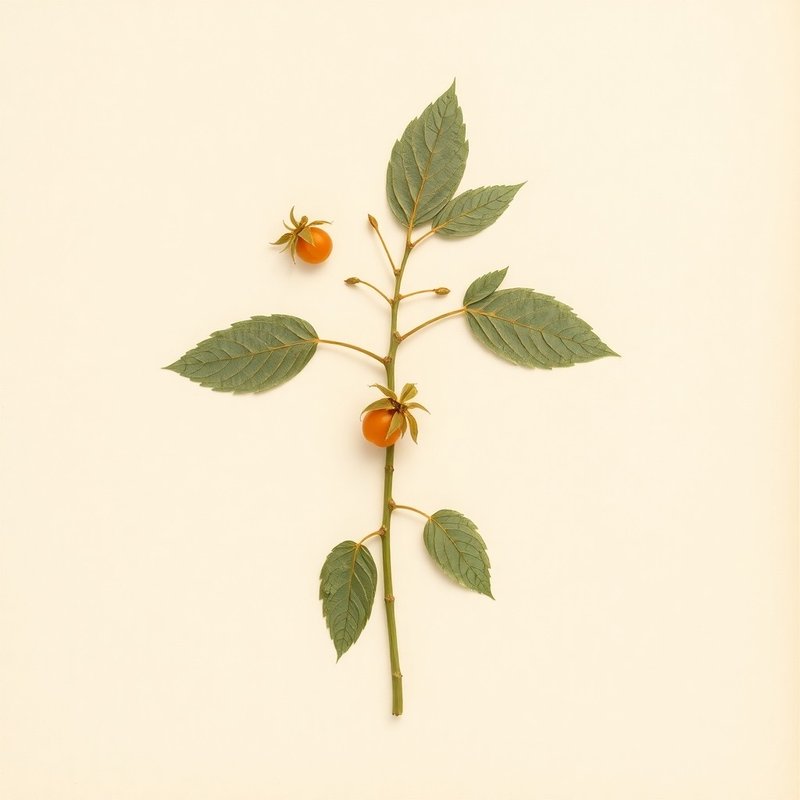
Broadleaf groundcherry (Physalis latiphysa) is a light-loving forb or herb that thrives in moist conditions and various soil types, including sandy, medium, and clay soils. Native to regions such as Alabama, Argentina Northeast, and Arizona, this plant has also spread across Central America, South America, the Caribbean, and parts of North America like Kentucky and Tennessee. Known for its edible fruit, which can be enjoyed fresh or used in various culinary applications, broadleaf groundcherry is a distinctive member of the nightshade family (Solanaceae). Its fruit, often used in jams, preserves, and desserts due to its sweet taste, can also be dried for later use. This plant is adaptable and widespread across its native range, growing in diverse habitats. While primarily used for its fruit, broadleaf groundcherry is also an ornamental plant, adding a unique touch to gardens and landscapes. One of its notable features is its ability to grow in various soil types and light conditions, making it a versatile addition to gardens in temperate regions.
What is Broadleaf groundcherry?
Broadleaf groundcherry (Physalis latiphysa) is a light-loving forb or herb that thrives in moist conditions and various soil types, including sandy, medium, and clay soils.
VCultivation
Cultivation
How to grow Broadleaf groundcherry for the first time
Start with a simple, sunny spot and basic care for Broadleaf groundcherry.
- 1
What you'll need
Seeds or seedlings, small pots if starting indoors.
- 2
Best time to plant
Plant outdoors after the last frost in spring.
- 3
Soil and container prep
Choose a spot with well-draining soil; amend with compost if needed.
- 4
Sowing or transplanting
Start seeds indoors 4-6 weeks before planting out, or buy young plants from a nursery.
- 5
First two weeks
Water regularly to keep the soil moist but not soggy; protect from strong winds.
- 6
Ongoing care
Provide consistent moisture and full sun. Fertilize lightly every few months.
- 7
Harvest or pruning
Prune occasionally to encourage bushy growth, and harvest ripe fruits when they turn golden brown.
- 8
Common mistakes
Overwatering, planting in heavy soil, neglecting to prune.
VIEdible & utility
Edible & utility
VIIDistribution
49 native · 23 introduced
Distribution
49 native · 23 introducedIXSpecimen gallery
1 image
Specimen gallery
1 imageExplore further
About this entry
- Last updated
- Citation
- How to cite this entry · Submit a correction
Continue reading
Get archive updates
Occasional email when substantial new content lands — plant profiles, seasonal growing notes, folk-remedy additions. Free, no tracking, unsubscribe anytime.