
Goldenberry
Physalis peruviana
Educational content — not medical, botanical, or professional advice. Plant identification, safety, and edibility depend on local conditions, cultivars, and correct identification. Consult a qualified botanist or forager before consuming or handling wild specimens. How we source & review →
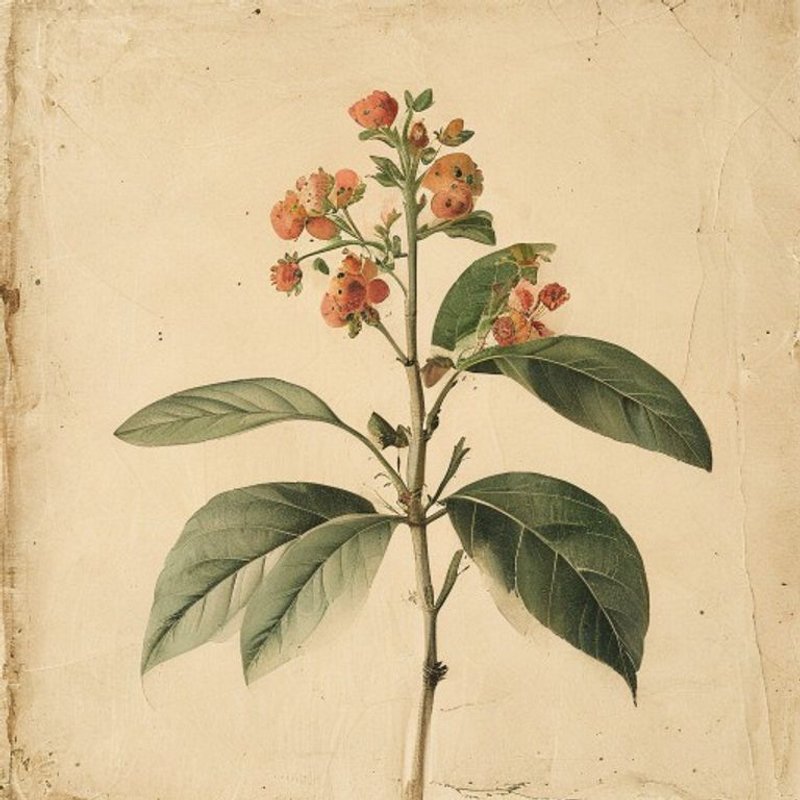
Pl. 40AB — Physalis peruviana
Physalis peruvianaPhysalis peruvianaPhysalis peruvianaPhysalis peruvianaPhysalis peruvianaPhysalis peruvianaPhysalis peruvianaPhysalis peruvianaPhysalis peruvianaPhysalis peruvianaPhysalis peruvianaPhysalis peruvianaPhysalis peruvianaPhysalis peruviana
IOverview
Overview
The Goldenberry (Physalis peruviana) is a shrub native to the highlands of Bolivia and the Amazon regions of Brazil. This plant thrives in full sun to partial shade and prefers moist, well-drained soil that can be light (sandy), medium, or heavy (clay). It grows up to 1.2 meters tall and is hardy in zones 6-12, making it a perennial choice for gardens. Known for its edible fruit, the Goldenberry is propagated through seeds transplanted after germination, with fruits maturing around 65-70 days from planting. Its distinctive feature includes papery calyxes that encase the ripe berries, giving them a unique appearance and protective covering.
Quick answers
What is Goldenberry?
The Goldenberry (Physalis peruviana) is a shrub native to the highlands of Bolivia and the Amazon regions of Brazil. This plant thrives in full sun to partial shade and prefers moist, well-drained soil that can be light (sandy), medium, or heavy (clay).
Growingconditions · propagation · uses
VCultivation
Cultivation
Goldenberry thrives in full sun to partial shade and requires moist soil that can be light (sandy), medium, or heavy (clay). It is hardy in temperate regions from zones 6-12. Propagate via seed, transplanting after germination. Space plants about 45cm apart for best growth. The fruit ripens in 65-70 days. Skip if you are not in a suitable climate zone.
Light
Full sun, Partial sun/shade
Water
Moist
Soil
Light (sandy), Medium, Heavy (clay)
Hardiness
6-12
Life cycle
Perennial
Habit
Shrub
Mature size
1.2 m tall
- Propagation
- Seed - transplant
- Sow indoors
- 6-8 weeks before last frost
- Days to maturity
- 65-70
- Spacing
- 45cm
For first-time growers
How to grow Goldenberry for the first time
8steps
Start with easy-to-grow Goldenberries for a rewarding beginner gardening experience.
- 1
What you'll need
Goldenberry seeds or seedlings, small pots if starting from seed, compost, and a garden fork.
- 2
Best time to plant
Plant in spring after the last frost, when temperatures are consistently above 10°C (50°F).
- 3
Soil and container prep
Ensure soil is well-draining with a pH between 6.0 and 7.0. Amend heavy soils with compost.
- 4
Sowing or transplanting
Start seeds indoors 8 weeks before planting out, or buy young plants from a nursery.
- 5
First two weeks
Keep the soil moist but not waterlogged. Place in partial shade to avoid scorching.
- 6
Ongoing care
Water regularly, especially during dry spells. Fertilize lightly every 4-6 weeks with a balanced organic fertilizer.
- 7
Harvest or pruning
Prune after the first harvest to encourage more fruiting later in the season. Harvest when fruits are bright orange and slightly soft.
- 8
Common mistakes
Overwatering, planting too deep, neglecting to prune, and not providing enough sunlight.
VIEdible & utility
Edible & utility
Edible parts:Fruit
Edible uses: The goldenberry's fruit is the main edible part, often eaten fresh or used in jams and desserts. It can also be dried for later use. SKIP
Contextrange · companions · related
VIIDistribution
3 native · 27 introduced
Distribution
3 native · 27 introducedDistribution across4 continents· 3 native· 27 introduced
Europe5 regions
introduced (5)AustriaBelgiumBulgariaPortugalSpain
Asia3 regions
introduced (3)BangladeshChinaIndia
Americas3 regions
native (1)Bolivia
introduced (2)Costa RicaDominican Republic
Africa5 regions
introduced (5)BotswanaBurundiCameroonChadEquatorial Guinea
Broader regions
native:Brazil North, Brazil West-Central
introduced:Bermuda, Brazil South, Brazil Southeast, Cape Provinces, Caroline Is., Central African Repu, Chile Central, Congo, Cook Is., East Himalaya
IXSpecimen gallery
1 image
Specimen gallery
1 imageXI
Explore further
Companion planting
Growing zone
XII
About this entry
- Last updated
- Citation
- How to cite this entry · Submit a correction
Back to the cataloguePlant id · 40abf17c-6dc9-469f-b052-12cd3fa4e9e0
Decision aid
Choosing between Goldenberry and something else?
Continue reading
❦❦❦❦
Endpaper · archive updates
Get archive updates
Occasional email when substantial new content lands — plant profiles, seasonal growing notes, folk-remedy additions. Free, no tracking, unsubscribe anytime.