
Wild Tomatillo
Physalis philadelphica
Educational content — not medical, botanical, or professional advice. Plant identification, safety, and edibility depend on local conditions, cultivars, and correct identification. Consult a qualified botanist or forager before consuming or handling wild specimens. How we source & review →
Garden journal pausedUse profile notes below
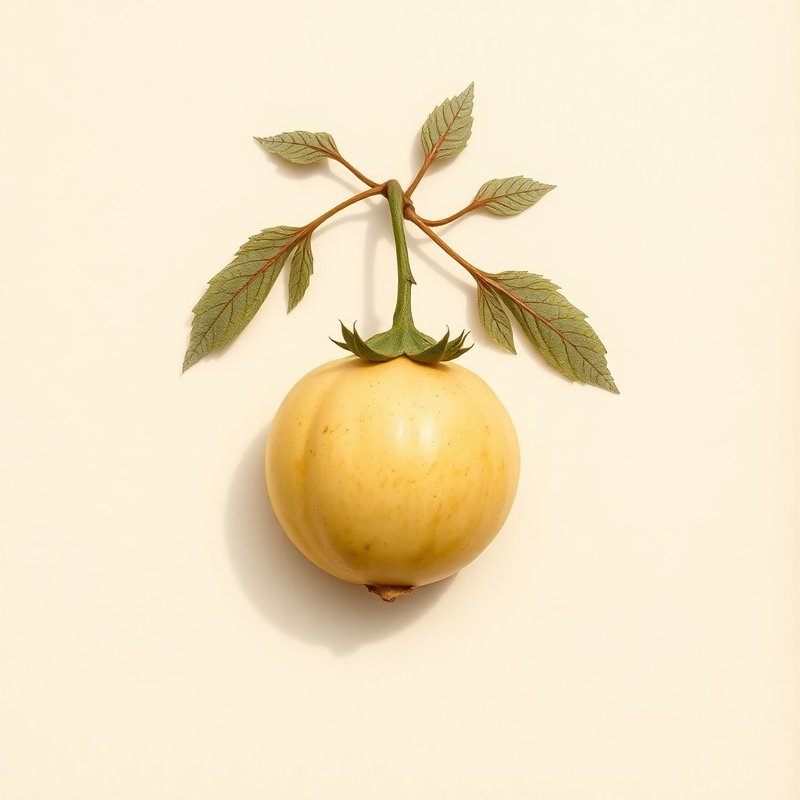
Pl. 011B — Physalis philadelphica
Physalis philadelphicaPhysalis philadelphicaPhysalis philadelphicaPhysalis philadelphicaPhysalis philadelphicaPhysalis philadelphicaPhysalis philadelphicaPhysalis philadelphicaPhysalis philadelphicaPhysalis philadelphicaPhysalis philadelphicaPhysalis philadelphicaPhysalis philadelphicaPhysalis philadelphica
IOverview
Overview
Wild Tomatillo, scientifically known as Physalis philadelphica, is a light-loving annual herb that thrives in partial sun to full sun. Native to Central American countries such as Belize, Cuba, El Salvador, Guatemala, Haiti, Honduras, and various regions of Mexico, this plant is well-adapted to moist conditions and can grow in light (sandy), medium, or heavy (clay) soils. Standing at about 0.6 meters tall, it is known for its edible fruit, making it a valuable addition to gardens and landscapes. The distinctive feature of the wild tomatillo lies in the papery calyx that surrounds the fruit, giving it a unique appearance similar to other members of the nightshade family. This plant can be found growing in diverse regions including Belize, Cuba, El Salvador, Guatemala, Haiti, Honduras, Mexico Central, Mexico Gulf, Mexico Northeast, Mexico Northwest, Mexico Southeast, and Mexico Southwest. It has also been introduced into many parts of the world such as Angola, Arizona, Belgium, Bulgaria, and various other locations across Europe, Asia, Africa, and North America. The wild tomatillo's fruit is edible and can be eaten raw or cooked, making it a versatile ingredient in sauces and salsas for added flavor. The fruit can also be dried for later use, extending its culinary utility. While not traditionally used medicinally, the plant’s introduction into various regions highlights its ornamental and edible value. Growing wild tomatillo requires moist soil that is light (sandy), medium, or heavy (clay) and thrives in zones 6-9. For propagation, sow seeds directly outdoors after the last frost or start them indoors about four weeks before planting out. This annual plant produces edible fruit and is hardy in temperate regions, making it a reliable choice for gardeners looking to add a unique and flavorful element to their landscapes.
Quick answers
What is Wild Tomatillo?
Wild Tomatillo, scientifically known as Physalis philadelphica, is a light-loving annual herb that thrives in partial sun to full sun.
Growingconditions · propagation · uses
VCultivation
Cultivation
Wild Tomatillo thrives in full to partial sun and requires moist soil that is light (sandy), medium, or heavy (clay). It grows best in zones 6-9 and can reach a height of 0.6 meters. For propagation, sow seeds directly outdoors after the last frost or start them indoors about four weeks before planting out. This annual plant produces edible fruit and is hardy in temperate regions.
Light
Full sun, Partial sun/shade
Water
Moist
Soil
Light (sandy), Medium, Heavy (clay)
Hardiness
6-9
Life cycle
Annual
Habit
Forb/herb
Mature size
0.6 m tall
For first-time growers
How to grow Wild Tomatillo for the first time
8steps
Start with a simple, sunny spot and basic soil preparation for your Wild Tomatillo.
- 1
What you'll need
Seeds or seedlings, small pots if starting indoors, garden space, watering can.
- 2
Best time to plant
Plant outdoors after the last frost in spring when temperatures are above 10°C (50°F).
- 3
Soil and container prep
Choose a well-draining soil with some organic matter. Containers should be at least 30 cm deep.
- 4
Sowing or transplanting
Start seeds indoors about 6 weeks before the last frost, then transplant outdoors after danger of frost passes.
- 5
First two weeks
Water regularly to keep soil moist. Protect from strong winds and direct sun if seedlings are young.
- 6
Ongoing care
Provide consistent watering, especially during dry spells. Fertilize lightly every 4-6 weeks with compost.
- 7
Harvest or pruning
Prune back any dead or yellowing leaves to encourage new growth and prevent disease spread.
- 8
Common mistakes
Overwatering, planting in heavy soil, not providing enough support for the plant's height.
VIEdible & utility
Edible & utility
Edible parts:Fruit
Edible uses: The wild tomatillo's fruit is edible and can be eaten raw or cooked. It is often used in sauces and salsa for added flavor. The fruit can also be dried for later use.
Contextrange · companions · related
VIIDistribution
13 native · 30 introduced
Distribution
13 native · 30 introducedDistribution across4 continents· 13 native· 30 introduced
Europe7 regions
introduced (7)BelgiumBulgariaGreecePortugalRussiaSpainUkraine
Asia2 regions
introduced (2)ChinaTurkey
Americas6 regions
native (6)BelizeCubaEl SalvadorGuatemalaHaitiHonduras
Africa6 regions
introduced (6)AngolaKenyaMoroccoSudanZambiaZimbabwe
Broader regions
native:Mexico Central, Mexico Gulf, Mexico Northeast, Mexico Northwest, Mexico Southeast, Mexico Southwest, Panamá
introduced:Arizona, Czechoslovakia, Illinois, Kentucky, KwaZulu-Natal, Leeward Is., Maryland, New South Wales, New York, Queensland, Vermont, Victoria, Western Australia, Wisconsin, Yugoslavia
IXSpecimen gallery
1 image
Specimen gallery
1 imageXI
Explore further
Companion planting
Growing zone
Native to
XII
About this entry
- Last updated
- Citation
- How to cite this entry · Submit a correction
Back to the cataloguePlant id · 011b0191-4832-4b43-b146-408a4ccae184
Decision aid
Choosing between Wild Tomatillo and something else?
Continue reading
❦❦❦❦
Endpaper · archive updates
Get archive updates
Occasional email when substantial new content lands — plant profiles, seasonal growing notes, folk-remedy additions. Free, no tracking, unsubscribe anytime.
Newsletter returning soon.
We are rebuilding the update list around a lightweight editorial workflow. New dispatches will resume after the next content review cycle.