
Sharpleaf groundcherry
IOverview
Overview
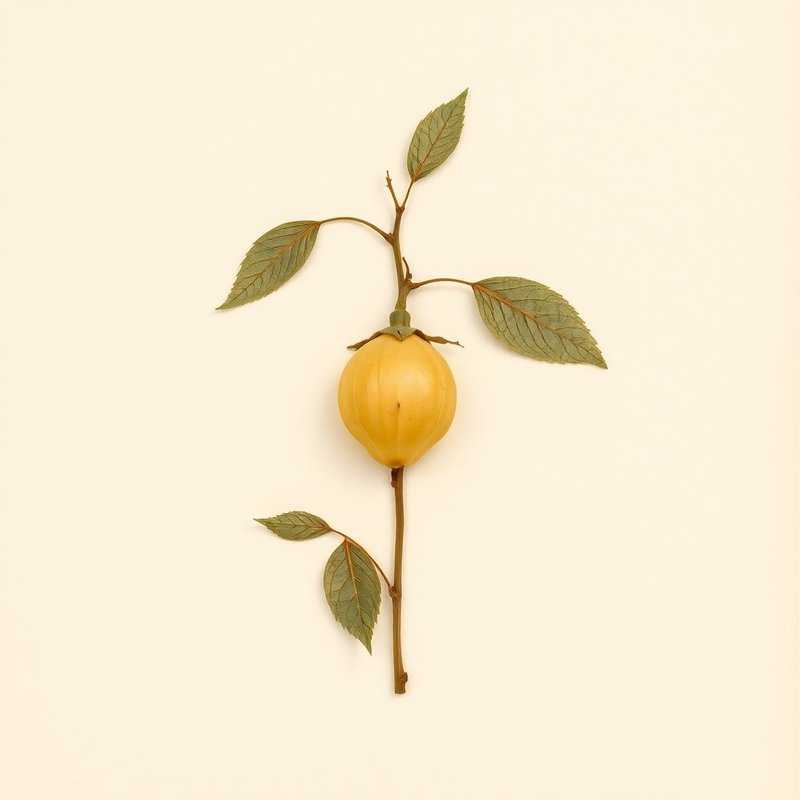
Sharpleaf groundcherry, scientifically known as Physalis wrightii, is an annual forb or herb native to the southwestern United States and northern Mexico, including regions such as Arizona, California, Louisiana, and various parts of Mexico. This plant thrives in a variety of soil types, including light (sandy), medium, and heavy (clay), and prefers full sun and moist conditions. Standing at about 1 meter tall, it is easily recognizable by its distinctive sharp leaves, setting it apart from other members of the nightshade family. The fruit of the sharpleaf groundcherry is edible and can be enjoyed fresh or used in various culinary applications. This plant is adaptable to similar climates in temperate zones, making it a valuable addition to gardens in these regions. While it is not medicinal, its edible fruit makes it a practical choice for those looking to incorporate it into their gardening and culinary practices.
What is Sharpleaf groundcherry?
Sharpleaf groundcherry, scientifically known as Physalis wrightii, is an annual forb or herb native to the southwestern United States and northern Mexico, including regions such as Arizona, California, Louisiana, and various parts of Mexico.
VCultivation
Cultivation
How to grow Sharpleaf groundcherry for the first time
Start with simple soil and full sun, and you'll have a good chance of success.
- 1
What you'll need
Seeds or seedlings, garden tools, compost.
- 2
Best time to plant
Plant in spring after the last frost, when soil is warm.
- 3
Soil and container prep
Choose a spot with light to medium soil that drains well. Amend with compost if needed.
- 4
Sowing or transplanting
Direct sow seeds 1 cm deep after the last frost, or start indoors 4 weeks before planting out.
- 5
First two weeks
Water regularly to keep soil moist but not waterlogged. Mulch around plants to retain moisture.
- 6
Ongoing care
Provide support for vines as they grow. Water deeply once a week, more often in dry spells.
- 7
Harvest or pruning
Prune occasionally to encourage bushier growth and remove dead leaves. Harvest fruit when it turns golden brown.
- 8
Common mistakes
Overwatering, planting too deep, neglecting support for vines.
VIEdible & utility
Edible & utility
VIIDistribution
8 native · 4 introduced
Distribution
8 native · 4 introducedIXSpecimen gallery
1 image
Specimen gallery
1 imageExplore further
About this entry
- Last updated
- Citation
- How to cite this entry · Submit a correction
Continue reading
Get archive updates
Occasional email when substantial new content lands — plant profiles, seasonal growing notes, folk-remedy additions. Free, no tracking, unsubscribe anytime.