
Phyteuma spicatum
Phyteuma spicatum
Educational content — not medical, botanical, or professional advice. Plant identification, safety, and edibility depend on local conditions, cultivars, and correct identification. Consult a qualified botanist or forager before consuming or handling wild specimens. How we source & review →
Garden journal pausedUse profile notes below
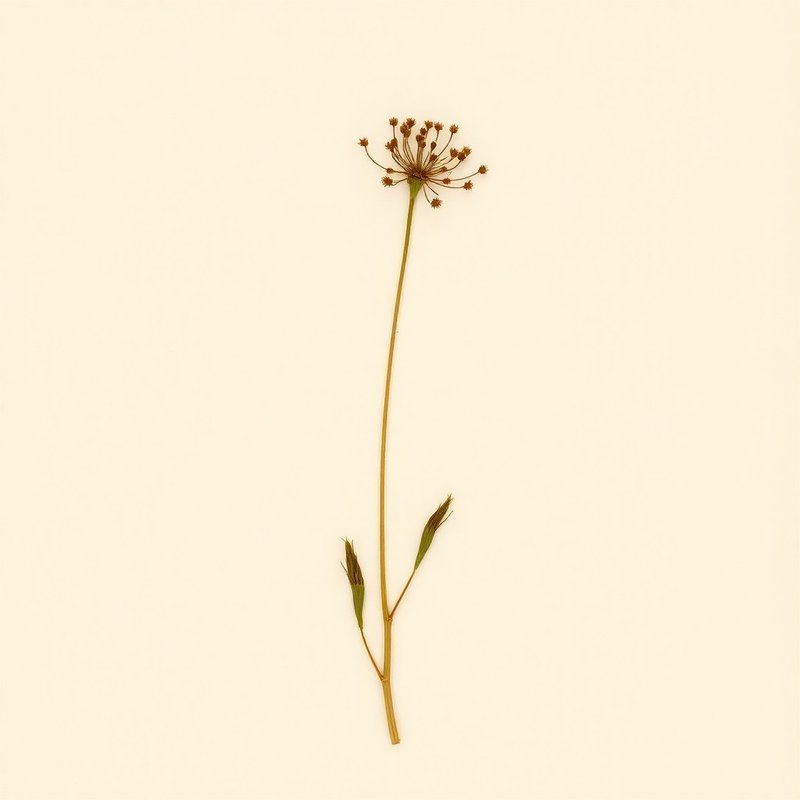
Pl. 3221 — Phyteuma spicatum
Phyteuma spicatumPhyteuma spicatumPhyteuma spicatumPhyteuma spicatumPhyteuma spicatumPhyteuma spicatumPhyteuma spicatumPhyteuma spicatumPhyteuma spicatumPhyteuma spicatumPhyteuma spicatumPhyteuma spicatumPhyteuma spicatumPhyteuma spicatum
IOverview
Overview
Phyteuma spicatum, commonly known as narrow-leaved water-plantain, is a perennial plant native to Europe, with its range extending from the Baltic States and Ukraine to Spain and Switzerland. This plant thrives in moist soils that can be light (sandy), medium, or heavy (clay) and prefers a pH between 6.5 and 7. It typically grows up to 0.7 meters tall and is found in various habitats across its native range, making it an interesting addition to gardens or naturalized areas where its moisture-loving nature can be appreciated. The narrow-leaved water-plantain is known for its edible roots, which are often dug from the ground and used fresh or dried for later consumption. Roots are typically boiled to soften them before eating. This plant has a moderate need for sunlight, with a light energy requirement of 5/10, indicating it can adapt to different conditions but performs best in partial shade. Phyteuma spicatum is hardy in temperate regions and can be found naturally in various European countries such as Albania, Austria, Belarus, Belgium, Czechoslovakia, Denmark, France, Germany, Great Britain, Hungary, Italy, the Netherlands, Norway, Poland, Romania, Spain, Switzerland, Ukraine, and Yugoslavia. It has also been introduced into Finland and Sweden. While not medicinal, this plant offers practical benefits in terms of its edible roots and ornamental value. Its distinctive white or blue flowers add a splash of color to gardens and natural settings. When cultivating narrow-leaved water-plantain, it is important to ensure the soil remains moist, especially during dry periods, and that it receives regular watering. Propagation can be done through division or seed sowing in the spring.
Quick answers
What is Phyteuma spicatum?
Phyteuma spicatum, commonly known as narrow-leaved water-plantain, is a perennial plant native to Europe, with its range extending from the Baltic States and Ukraine to Spain and Switzerland. This plant thrives in moist soils that can be light (sandy), medium, or heavy (clay) and prefers a pH between 6.
Growingconditions · propagation · uses
VCultivation
Cultivation
Phyteuma spicatum thrives in moist conditions and prefers light to heavy soils that are well-draining or clay-based. It requires a pH between 6.5 and 7. The plant is hardy in temperate regions and can be found naturally in various European countries. For cultivation, it should be planted in full sun to partial shade. Water regularly to maintain moist soil, especially during dry periods. Propagate through division or seed sowing in the spring. Harvest the edible root parts when mature.
Light
5/10
Water
Moist
Soil
Light (sandy), Medium, Heavy (clay)
Life cycle
Perennial
Mature size
0.7 m tall
Soil pH
6.5–7
For first-time growers
How to grow Phyteuma spicatum for the first time
8steps
Start with Phyteuma spicatum as a simple, low-maintenance perennial for your garden.
- 1
What you'll need
A small plant or seeds, a trowel, and some compost.
- 2
Best time to plant
Plant in spring after the last frost or in fall before the first freeze.
- 3
Soil and container prep
Choose a spot with moist, well-draining soil. Amend your garden bed with compost if needed.
- 4
Sowing or transplanting
Transplant young plants into the garden or sow seeds directly where they will grow.
- 5
First two weeks
Water regularly to keep the soil moist but not waterlogged. Monitor for any signs of stress.
- 6
Ongoing care
Water when the top inch of soil feels dry, and mulch around the plant to retain moisture.
- 7
Harvest or pruning
Prune dead leaves and spent flowers to maintain a neat appearance. Avoid cutting into the main stem.
- 8
Common mistakes
Overwatering, planting in too dry soil, neglecting to mulch, and not providing enough light.
VIEdible & utility
Edible & utility
Edible parts:Root
Edible uses: The root of Phyteuma spicatum is edible and can be prepared in various ways. Typically, it is dug from the ground and used fresh or dried for later consumption. Roots are often boiled to soften them before eating. Skip
Contextrange · companions · related
VIIDistribution
21 native · 2 introduced
Distribution
21 native · 2 introducedDistribution across1 continent· 21 native· 2 introduced
Europe20 regions
native (18)AlbaniaAustriaBelarusBelgiumDenmarkFranceGermanyHungaryItalyNetherlandsNorwayPolandRomaniaRussiaSpainSwitzerlandUkraineUnited Kingdom
introduced (2)FinlandSweden
Broader regions
native:Baltic States, Czechoslovakia, Yugoslavia
IXSpecimen gallery
1 image
Specimen gallery
1 imageXI
Explore further
Companion planting
Native to
XII
About this entry
- Last updated
- Citation
- How to cite this entry · Submit a correction
Back to the cataloguePlant id · 32210cc5-3fc0-44b3-a033-db97ac33bdbd
Decision aid
Choosing between Phyteuma spicatum and something else?
Continue reading
❦❦❦❦
Endpaper · archive updates
Get archive updates
Occasional email when substantial new content lands — plant profiles, seasonal growing notes, folk-remedy additions. Free, no tracking, unsubscribe anytime.
Newsletter returning soon.
We are rebuilding the update list around a lightweight editorial workflow. New dispatches will resume after the next content review cycle.