
Picea mariana
Picea mariana
Educational content — not medical, botanical, or professional advice. Plant identification, safety, and edibility depend on local conditions, cultivars, and correct identification. Consult a qualified botanist or forager before consuming or handling wild specimens. How we source & review →
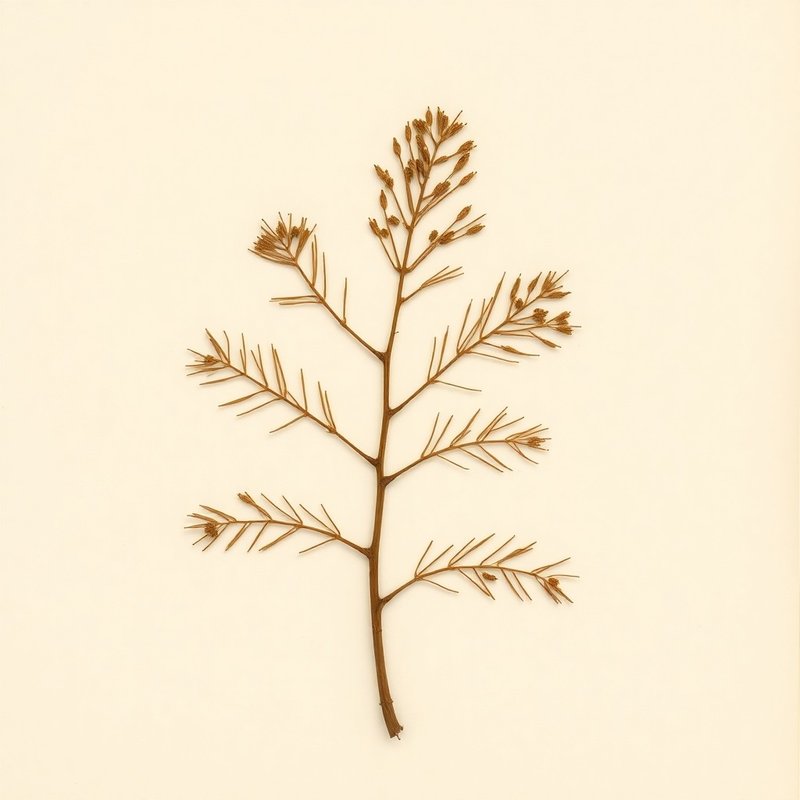
Pl. 3DF4 — Picea mariana
Picea marianaPicea marianaPicea marianaPicea marianaPicea marianaPicea marianaPicea marianaPicea marianaPicea marianaPicea marianaPicea marianaPicea marianaPicea marianaPicea mariana
IOverview
Overview
Picea mariana, known as black spruce, is a coniferous tree native to the northern regions of North America, including Alaska, Alberta, British Columbia, and parts of Canada such as Labrador, Manitoba, and Quebec. This versatile tree thrives in moist, wet environments with light (sandy), medium, or heavy clay soils, making it well-suited for boggy areas. It can grow up to 20 meters tall and prefers full sun, thriving in soil pH levels between 4.7 and 6.5. Black spruce is both edible and ornamental; its inner bark, flowers, shoots, and seeds are all part of its edible profile. Its distinctive features include a pyramidal shape and dark, scaly bark, which contribute to its popularity as an ornamental tree in colder climates.
Quick answers
What is Picea mariana?
Picea mariana, known as black spruce, is a coniferous tree native to the northern regions of North America, including Alaska, Alberta, British Columbia, and parts of Canada such as Labrador, Manitoba, and Quebec.
Growingconditions · propagation · uses
VCultivation
Cultivation
Picea mariana thrives in full sun and prefers moist to wet soils that are light (sandy), medium, or heavy (clay). It is hardy in zones 3-5, making it suitable for cooler climates. The tree can grow up to 20 meters tall and is native to regions including Alaska, Alberta, British Columbia, Connecticut, Illinois, Labrador, Maine, Manitoba, and more. For cultivation, ensure the soil pH ranges between 4.7 and 6.5. Propagate through seeds or inner bark cuttings. Edible parts include flowers, seedpods, shoots, and seeds, making this tree not only ornamental but also a source of sustenance in its native range.
Light
Full sun
Water
Moist, Wet
Soil
Light (sandy), Medium, Heavy (clay)
Hardiness
3-5
Habit
Tree
Mature size
20.0 m tall
Soil pH
4.7–6.5
For first-time growers
How to grow Picea mariana for the first time
8steps
Start with a simple planting of Picea mariana to experience growing conifers.
- 1
What you'll need
Seeds or young saplings, a spade, and a watering can.
- 2
Best time to plant
Plant in spring after the last frost or fall before the first freeze.
- 3
Soil and container prep
Choose a location with moist, well-draining soil. Ensure it gets full sun to partial shade.
- 4
Sowing or transplanting
Plant seeds 2-3 cm deep in early spring or transplant young saplings in the fall.
- 5
First two weeks
Water regularly, keeping the soil moist but not waterlogged. Monitor for pests and diseases.
- 6
Ongoing care
Provide regular watering during dry spells. Prune only to remove dead or diseased branches.
- 7
Harvest or pruning
Prune in late winter before new growth starts to maintain shape and health.
- 8
Common mistakes
Overwatering, planting in too sunny a spot, neglecting to prune properly.
VIEdible & utility
Edible & utility
Edible parts:FlowersInner barkSeedSeedpodShoots
Edible uses: Condiment, Drink, Gum, Tea
Other uses:DisinfectantDyeGumPitchWeaving materialWaterproofingLumberFragrance
Contextrange · companions · related
VIIDistribution
29 native · 1 introduced
Distribution
29 native · 1 introducedDistribution across2 continents· 29 native· 1 introduced
Europe1 region
introduced (1)Norway
Americas1 region
native (1)United States
Broader regions
native:Manitoba, Alberta, British Columbia, Connecticut, Illinois, Labrador, Maine, Michigan, Minnesota, New Brunswick, New Hampshire, New Jersey, New York, Newfoundland, Northwest Territorie, Nova Scotia, Nunavut, Ontario, Pennsylvania, Prince Edward I., Québec, Rhode I., Saskatchewan, Vermont, Wisconsin, Yukon, Masachusettes, Massachusetts
IXSpecimen gallery
1 image
Specimen gallery
1 imageXI
Explore further
Companion planting
Growing zone
XII
About this entry
- Last updated
- Citation
- How to cite this entry · Submit a correction
Back to the cataloguePlant id · 3df4fecc-7613-40e2-a2b0-6f680ab74048
Decision aid
Choosing between Picea mariana and something else?
Continue reading
❦❦❦❦
Endpaper · archive updates
Get archive updates
Occasional email when substantial new content lands — plant profiles, seasonal growing notes, folk-remedy additions. Free, no tracking, unsubscribe anytime.