
Stone pine
Pinus pinea
Educational content — not medical, botanical, or professional advice. Plant identification, safety, and edibility depend on local conditions, cultivars, and correct identification. Consult a qualified botanist or forager before consuming or handling wild specimens. How we source & review →
Garden journal pausedUse profile notes below
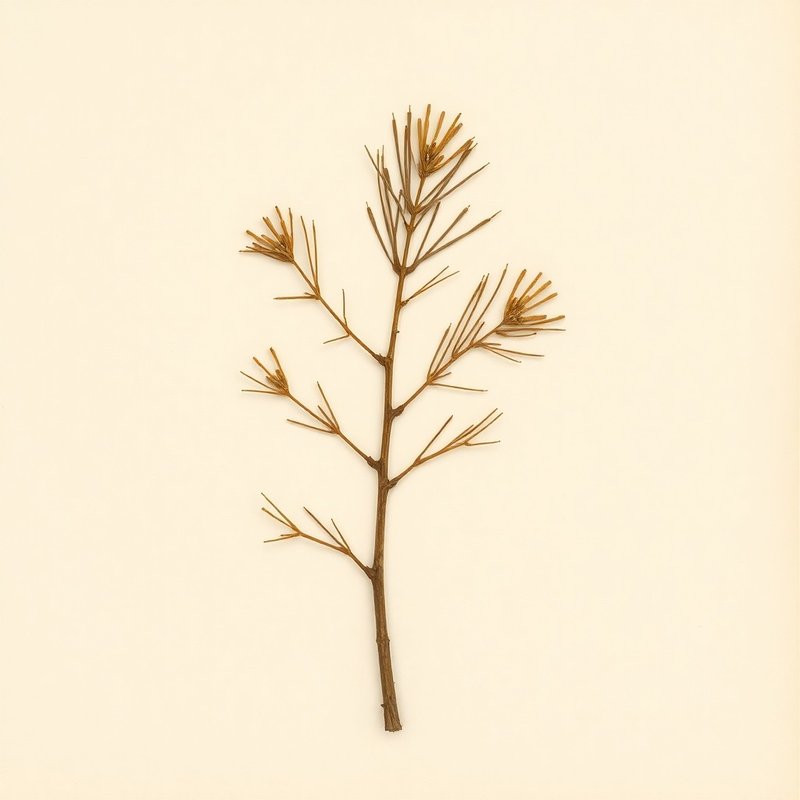
Pl. 573B — Pinus pinea
Pinus pineaPinus pineaPinus pineaPinus pineaPinus pineaPinus pineaPinus pineaPinus pineaPinus pineaPinus pineaPinus pineaPinus pineaPinus pineaPinus pinea
IOverview
Overview
Stone pine (Pinus pinea) is a tree native to the Mediterranean region, including Albania, Baleares, Corse, Cyprus, East Aegean Islands, France, Greece, Italy, Kriti, Lebanon-Syria, Portugal, Sicilia, Spain, and Turkey. This evergreen tree, often reaching heights of 10 meters, is known for its edible seeds, which are prized for their nutty flavor and are used in various culinary applications. The stone pine thrives in well-drained, light to medium soil with a pH of 7 to 7.5, and it prefers a dry to moist environment. Its light energy requirement of 8/10 indicates it can tolerate a range of light conditions, making it adaptable to different habitats within its native range. The stone pine is drought-tolerant but benefits from moist conditions, especially during the growing season. It is hardy in temperate regions, with a hardiness range of 7-11. Propagation can be done by sowing the edible seeds directly in the ground. The tree is also known for its utility, providing dye, herbicide, resin, and lumber. Introduced into Algeria, Canary Islands, Libya, Morocco, New South Wales, Palestine, Tunisia, Turkey-in-Europe, and Yugoslavia, the stone pine has adapted well to various Mediterranean climates. The stone pine's distinctive feature is its edible seeds, which are a valuable resource in the Mediterranean diet. While the tree is not medicinal, its seeds are a nutritious addition to condiments and other culinary uses.
Quick answers
What is Stone pine?
Stone pine (Pinus pinea) is a tree native to the Mediterranean region, including Albania, Baleares, Corse, Cyprus, East Aegean Islands, France, Greece, Italy, Kriti, Lebanon-Syria, Portugal, Sicilia, Spain, and Turkey.
Growingconditions · propagation · uses
VCultivation
Cultivation
Stone pine thrives in light to moist, well-draining soil with a pH of 7–7.5, preferring light (sandy) or medium soil types. It is hardy in temperate regions, with a range of hardiness from 7 to 11. Plant in a sunny to partially shaded location, as it requires 8 out of 10 light. Water regularly, ensuring the soil remains consistently moist but not waterlogged. Propagate through seed. This perennial tree can grow up to 10 meters tall and is native to regions including Albania, Baleares, Corse, Cyprus, East Aegean Islands, France, Greece, Italy, Kriti, Lebanon-Syria, Portugal, Sicilia, Spain, and Turkey.
Light
8/10
Water
Dry, Moist
Soil
Light (sandy), Medium
Hardiness
7-11
Life cycle
Perennial
Habit
Tree
Mature size
10.0 m tall
Soil pH
7–7.5
Seasonal calendar
Northern hemisphere · UTC month is November
winterspringsummerautumnwinter
BloomJFMAMJJASOND
VIEdible & utility
Edible & utility
Edible parts:Seed
Edible uses: Condiment
Other uses:DyeHerbicideResinLumber
Contextrange · companions · related
VIIDistribution
14 native · 9 introduced
Distribution
14 native · 9 introducedDistribution across3 continents· 14 native· 9 introduced
Europe8 regions
native (7)AlbaniaCyprusFranceGreeceItalyPortugalSpain
introduced (1)Spain
Asia2 regions
native (1)Turkey
introduced (1)Palestine
Africa4 regions
introduced (4)AlgeriaLibyaMoroccoTunisia
Broader regions
native:East Aegean Is., Kriti, Lebanon-Syria
introduced:New South Wales, Turkey-in-Europe, Yugoslavia
IXSpecimen gallery
1 image
Specimen gallery
1 imageXI
Explore further
XII
About this entry
- Last updated
- Citation
- How to cite this entry · Submit a correction
Back to the cataloguePlant id · 573b00df-36a7-471e-b3b6-679a2c3a5e8f
Decision aid
Choosing between Stone pine and something else?
Continue reading
❦❦❦❦
Endpaper · archive updates
Get archive updates
Occasional email when substantial new content lands — plant profiles, seasonal growing notes, folk-remedy additions. Free, no tracking, unsubscribe anytime.
Newsletter returning soon.
We are rebuilding the update list around a lightweight editorial workflow. New dispatches will resume after the next content review cycle.