
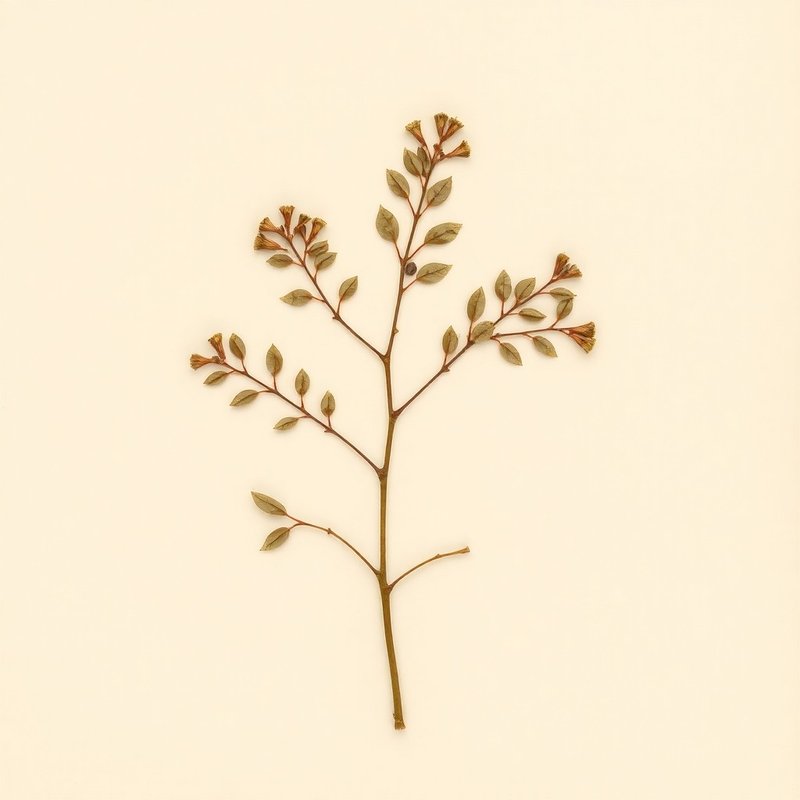
Pistacia chinensis integerrima
IOverview
Overview
Pistacia chinensis integerrima is a deciduous shrub or small tree known for its adaptability and versatility. Native to regions including Afghanistan, East Himalaya, India, Myanmar, Nepal, Pakistan, Transcaucasus, and West Himalaya, this plant thrives in full sun to partial shade and can grow in a variety of soil types—light (sandy), medium, and heavy (clay)—and tolerates both dry and moist conditions. Reaching a height of 9 meters, it is valued for its edible parts, including leaves, seeds, and young shoots. The leaves can be eaten fresh or dried, while the seeds are often roasted or used in various culinary preparations. Young shoots are typically consumed raw or cooked as a vegetable. This versatile plant adds ornamental value while providing sustenance in diverse environments. While not medicinal, it is important to exercise caution when consuming any plant, especially in large quantities, as individual reactions may vary.
What is Pistacia chinensis integerrima?
Pistacia chinensis integerrima is a deciduous shrub or small tree known for its adaptability and versatility.
VCultivation
Cultivation
How to grow Pistacia chinensis integerrima for the first time
Start with planting Pistacia chinensis integerrima in a sunny spot, as it thrives in full to partial sun.
- 1
What you'll need
Seeds or seedlings, garden tools like a spade and trowel.
- 2
Best time to plant
Plant in spring after the last frost or fall before the first freeze.
- 3
Soil and container prep
Choose well-draining soil with medium texture. Ensure containers have drainage holes.
- 4
Sowing or transplanting
Direct sow seeds in the ground or start seedlings indoors 6-8 weeks before planting outside.
- 5
First two weeks
Water regularly to keep the soil moist but not waterlogged. Monitor for pests and diseases.
- 6
Ongoing care
Provide full sun, water when dry, and mulch around the base to retain moisture and suppress weeds.
- 7
Harvest or pruning
Prune in late winter to maintain shape and remove dead branches. Harvest leaves and shoots as needed.
- 8
Common mistakes
Overwatering, planting in heavy clay soil, neglecting sun exposure, not providing enough space for growth.
VIEdible & utility
Edible & utility
VIIDistribution
8 native · 0 introduced
Distribution
8 native · 0 introducedIXSpecimen gallery
1 image
Specimen gallery
1 imageExplore further
About this entry
- Last updated
- Citation
- How to cite this entry · Submit a correction
Continue reading
Get archive updates
Occasional email when substantial new content lands — plant profiles, seasonal growing notes, folk-remedy additions. Free, no tracking, unsubscribe anytime.