
Sugar Pea
Pisum sativum macrocarpon
Educational content — not medical, botanical, or professional advice. Plant identification, safety, and edibility depend on local conditions, cultivars, and correct identification. Consult a qualified botanist or forager before consuming or handling wild specimens. How we source & review →
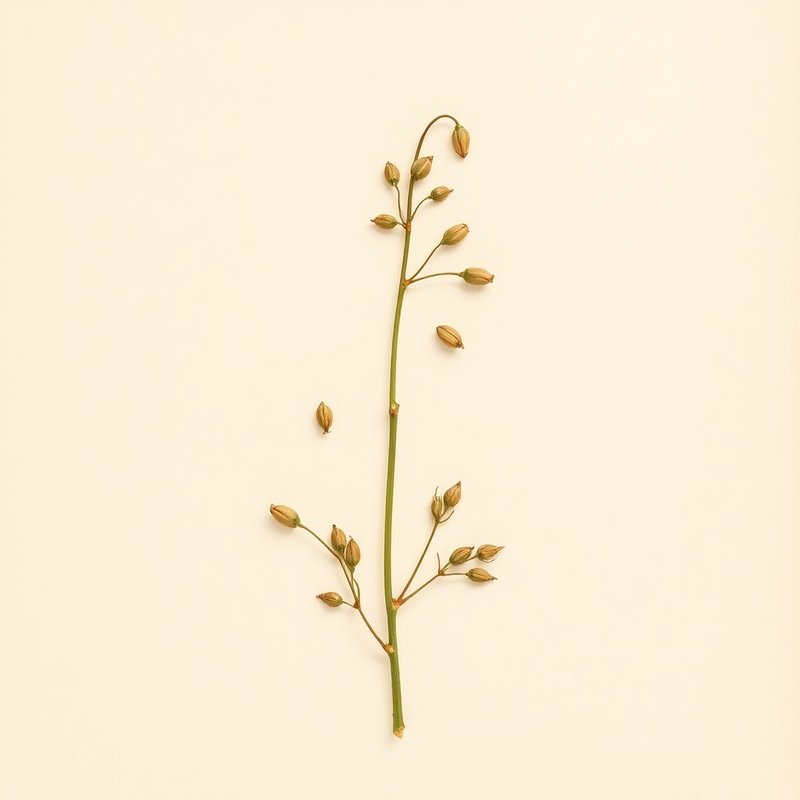
Pl. EBB9 — Pisum sativum macrocarpon
Pisum sativum macrocarponPisum sativum macrocarponPisum sativum macrocarponPisum sativum macrocarponPisum sativum macrocarponPisum sativum macrocarponPisum sativum macrocarponPisum sativum macrocarponPisum sativum macrocarponPisum sativum macrocarponPisum sativum macrocarponPisum sativum macrocarponPisum sativum macrocarponPisum sativum macrocarpon
IOverview
Overview
Sugar Pea (Pisum sativum macrocarpon) is a cultivar of the common pea known for its thick and fleshy edible pods that snap when broken. Originating as an annual vine, it can grow up to 2 meters tall, making it a notable addition to gardens or fields. This plant thrives in light (sandy) and medium soil with a pH between 6.5 and 7, preferring moist conditions. Known for its ornamental value alongside its edible parts, the Sugar Pea is valued both as a decorative element and a source of food. Its distinctive feature lies in the robustness of its pods, setting it apart from other pea varieties.
Quick answers
What is Sugar Pea?
Sugar Pea (Pisum sativum macrocarpon) is a cultivar of the common pea known for its thick and fleshy edible pods that snap when broken. Originating as an annual vine, it can grow up to 2 meters tall, making it a notable addition to gardens or fields.
Growingconditions · propagation · uses
VCultivation
Cultivation
Sugar Pea thrives in a light to medium soil that is well-draining and slightly acidic to neutral (pH 6.5-7). It prefers partial shade but can tolerate full sun if the soil remains moist. The plant grows up to 2 meters tall as a vine, so provide support for it. Water regularly to keep the soil consistently moist, especially during flowering and pod development. As an annual, it completes its life cycle in one growing season. Propagate by seed directly sown into the garden after all danger of frost has passed. Skip hardiness information since it is not provided.
Light
8/10
Water
Moist
Soil
Light (sandy), Medium
Life cycle
Annual
Habit
Vine, Forb/herb
Mature size
2.0 m tall
Soil pH
6.5–7
For first-time growers
How to grow Sugar Pea for the first time
8steps
Start with Sugar Pea to gain experience in growing legumes.
- 1
What you'll need
Seeds, a trellis or support structure, and a container or garden plot.
- 2
Best time to plant
Plant seeds after the last frost when soil temperatures are above 10°C (50°F).
- 3
Soil and container prep
Ensure the soil is well-draining, light, and has a pH between 6.5 and 7.
- 4
Sowing or transplanting
Direct sow seeds about 2 cm deep and 5-10 cm apart in rows spaced 30-45 cm apart.
- 5
First two weeks
Keep the soil consistently moist, but not waterlogged. Monitor for pests and diseases.
- 6
Ongoing care
Provide support as vines grow, keep soil evenly moist, and fertilize lightly with compost.
- 7
Harvest or pruning
Prune any dead or diseased vines to maintain plant health. Harvest pods when they are plump but before they turn yellow.
- 8
Common mistakes
Overwatering, not providing support, and neglecting to prune are common issues beginners face.
VIEdible & utility
Edible & utility
Edible parts:Shoots
Edible uses: The sugar pea's thick and fleshy pods are the main edible part, often eaten raw or cooked. They can also be dried for later use. The shoots are also edible and can be prepared similarly to the pods.
Other uses:Nitrogen fixer
Contextrange · companions · related
IXSpecimen gallery
1 image
Specimen gallery
1 imageXI
Explore further
Companion planting
XII
About this entry
- Last updated
- Citation
- How to cite this entry · Submit a correction
Back to the cataloguePlant id · ebb97414-d91e-49bb-98e3-78bcb42c5c63
Decision aid
Choosing between Sugar Pea and something else?
Continue reading
❦❦❦❦
Endpaper · archive updates
Get archive updates
Occasional email when substantial new content lands — plant profiles, seasonal growing notes, folk-remedy additions. Free, no tracking, unsubscribe anytime.