
Weeping Pittosporum
IOverview
Overview
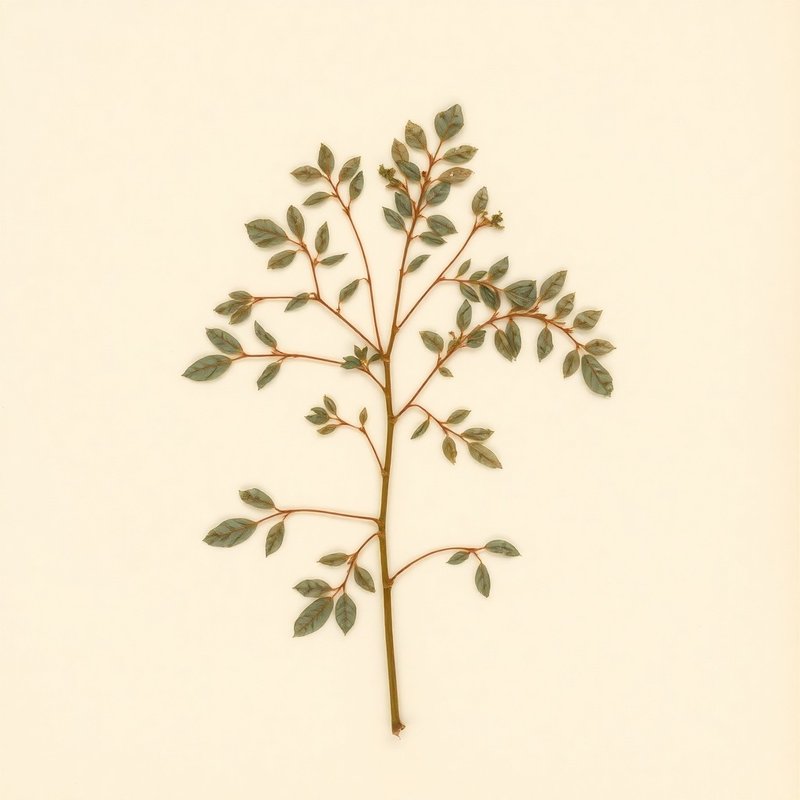
Weeping Pittosporum (Pittosporum phillyreoides), belonging to the family Pittosporaceae, is a small tree native to southeastern and western Australia. Found in various habitats across New South Wales, Northern Territory, Queensland, South Australia, Victoria, and Western Australia, this plant thrives in environments ranging from dry to moist areas. Known for its ornamental value due to its weeping habit, Weeping Pittosporum is often used in landscaping and garden design. Its drooping branches give it a graceful appearance that adds elegance to any setting. The tree has edible qualities as well; its seeds are consumable, making it a useful plant in certain contexts. It prefers full sun and grows best in light (sandy) or medium soil types, tolerating both dry and moist conditions. Weeping Pittosporum is adaptable to various environments and can grow up to 4.5 meters tall at a slow rate. It is hardy in zones 9-11, making it suitable for warmer climates. While the plant has no known medicinal uses, its utility extends to practical applications such as gum production, soap-making, and lumber. Propagation can be done through seed, allowing gardeners to cultivate this attractive tree in their landscapes.
What is Weeping Pittosporum?
Weeping Pittosporum (Pittosporum phillyreoides), belonging to the family Pittosporaceae, is a small tree native to southeastern and western Australia.
VCultivation
Cultivation
How to grow Weeping Pittosporum for the first time
Start with a simple planting of Weeping Pittosporum to enjoy its attractive weeping habit and fragrant flowers.
- 1
What you'll need
A young Weeping Pittosporum plant, well-draining soil, and a container or garden bed.
- 2
Best time to plant
Plant in spring when the weather is mild and there's no risk of frost.
- 3
Soil and container prep
Ensure your soil is light (sandy) to medium, with good drainage. For containers, use a potting mix suitable for shrubs.
- 4
Sowing or transplanting
Transplant the young plant into its permanent spot in the garden or a large container.
- 5
First two weeks
Water regularly to keep the soil moist but not waterlogged. Avoid direct sunlight for the first few days.
- 6
Ongoing care
Provide full sun and regular watering, especially during dry periods. Prune lightly in late winter to maintain shape.
- 7
Harvest or pruning
Prune in late winter to encourage a bushy growth habit and remove any dead or damaged branches.
- 8
Common mistakes
Overwatering, planting in heavy soil, not providing enough sunlight, and neglecting regular pruning.
VIEdible & utility
Edible & utility
VIIDistribution
6 native · 0 introduced
Distribution
6 native · 0 introducedIXSpecimen gallery
1 image
Specimen gallery
1 imageExplore further
About this entry
- Last updated
- Citation
- How to cite this entry · Submit a correction
Continue reading
Get archive updates
Occasional email when substantial new content lands — plant profiles, seasonal growing notes, folk-remedy additions. Free, no tracking, unsubscribe anytime.