
Podocarpium podocarpum fallax
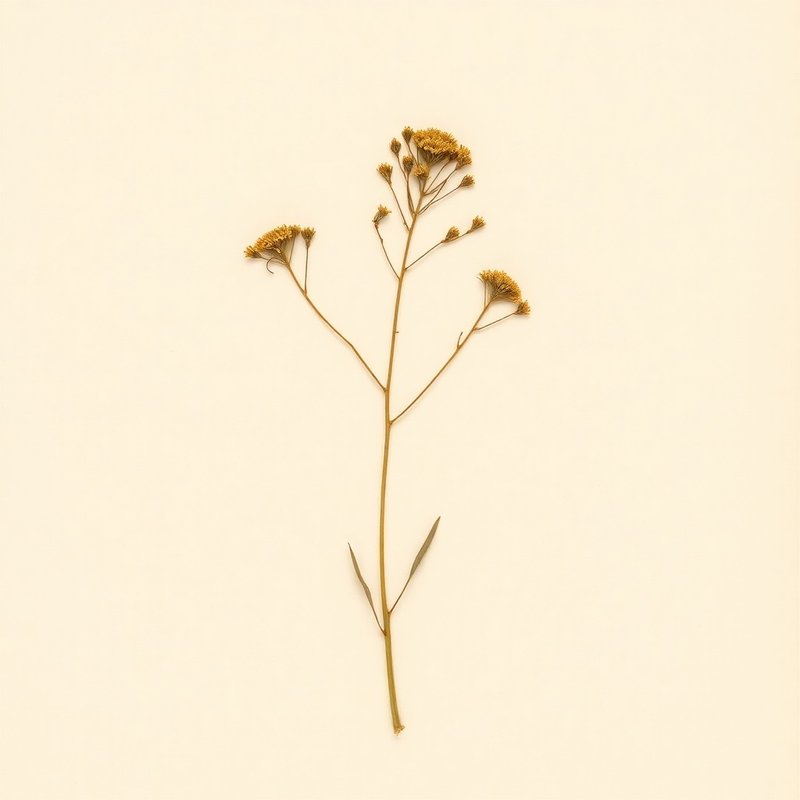
IOverview
Overview
Podocarpium podocarpum fallax, a perennial shrub native to the forests of China North-Central, South-Central, and Southeast, as well as Japan and Korea, is an attractive addition to gardens or landscapes due to its small stature and adaptability. Thriving in moist conditions with full sun exposure, this plant can grow up to 1 meter in height and adapts well to various soil types, including light (sandy), medium, and heavy (clay). Known for its edible seeds, which can be consumed raw or roasted to enhance their flavor, Podocarpium podocarpum fallax is a valuable resource in certain regions. Its nitrogen-fixing ability makes it useful as a plant that enriches the soil, contributing to sustainable gardening practices. While not medicinal, this plant offers practical benefits for those seeking edible and ornamental options in their gardens.
What is Podocarpium podocarpum fallax?
Podocarpium podocarpum fallax, a perennial shrub native to the forests of China North-Central, South-Central, and Southeast, as well as Japan and Korea, is an attractive addition to gardens or landscapes due to its small stature and adaptability.
VCultivation
Cultivation
How to grow Podocarpium podocarpum fallax for the first time
This guide will help you start with Podocarpium podocarpum fallax, focusing on basic care and maintenance.
- 1
What you'll need
A small Podocarpium podocarpum fallax plant or seeds, a container with drainage holes, potting soil, and water.
- 2
Best time to plant
Plant in spring when the weather starts warming up.
- 3
Soil and container prep
Use a well-draining potting mix suitable for indoor plants. Ensure your container has adequate drainage holes.
- 4
Sowing or transplanting
Transplant from a nursery pot to a larger one if needed, or sow seeds directly in the soil, covering them lightly.
- 5
First two weeks
Keep the soil moist but not waterlogged. Place the plant in bright indirect light and avoid direct sunlight.
- 6
Ongoing care
Water when the top inch of soil feels dry. Provide partial shade to full sun, depending on your location. Fertilize sparingly with a balanced liquid fertilizer every few months.
- 7
Harvest or pruning
Prune lightly in late winter to maintain shape and remove any dead or damaged branches.
- 8
Common mistakes
Overwatering, placing the plant in direct sunlight, and neglecting to prune can harm this plant.
VIEdible & utility
Edible & utility
VIIDistribution
5 native · 0 introduced
Distribution
5 native · 0 introducedIXSpecimen gallery
1 image
Specimen gallery
1 imageExplore further
About this entry
- Last updated
- Citation
- How to cite this entry · Submit a correction
Continue reading
Get archive updates
Occasional email when substantial new content lands — plant profiles, seasonal growing notes, folk-remedy additions. Free, no tracking, unsubscribe anytime.