
Himalayan May Apple

IOverview
Overview
Himalayan May Apple, scientifically known as Podophyllum hexandrum, is a perennial plant belonging to the Berberidaceae family. Native to mountainous regions in Afghanistan, China (North-Central and South-Central), East Himalaya, India, Nepal, Pakistan, Qinghai, Tibet, and West Himalaya, this species thrives in partial sun or full shade environments with moist, light (sandy) or medium-textured soil. It is hardy in zones 5-9, growing to a height of approximately 0.5 meters. The fruit of the Himalayan May Apple is edible and can be consumed raw when ripe, offering a sweet taste. However, it's important to note that other parts of the plant may be toxic and should not be ingested. This plant's adaptability makes it suitable for cultivation in various habitats within its native range, where it plays an ornamental role due to its distinctive growth form. For those interested in growing Himalayan May Apple, ensure the soil remains consistently moist but avoid overwatering. Propagation can be achieved through division of rhizomes or by sowing seeds. While primarily known for its edible fruit, this plant also adds aesthetic value to gardens and landscapes within its hardiness zones.
What is Himalayan May Apple?
Himalayan May Apple, scientifically known as Podophyllum hexandrum, is a perennial plant belonging to the Berberidaceae family.
VCultivation
Cultivation
How to grow Himalayan May Apple for the first time
Start with planting Himalayan May Apple in a partially shaded area, ensuring you have the right soil and care basics.
- 1
What you'll need
A healthy Himalayan May Apple plant or seeds, suitable containers if potting, and good quality potting mix.
- 2
Best time to plant
Plant in early spring before new growth starts or in late summer after the heat has passed.
- 3
Soil and container prep
Use a well-draining soil with a pH between 6.0 and 7.5, ensuring containers have drainage holes.
- 4
Sowing or transplanting
Transplant young plants from the nursery or sow seeds directly into the ground in early spring.
- 5
First two weeks
Keep the soil moist but not waterlogged and provide partial shade to protect new growth.
- 6
Ongoing care
Water regularly, especially during dry spells, and mulch around the plant to retain moisture. Avoid overwatering.
- 7
Harvest or pruning
Prune dead or damaged leaves in late winter before new growth emerges; fruit is not commonly harvested.
- 8
Common mistakes
Overwatering, planting in full sun, and neglecting to provide partial shade are common pitfalls.
VIEdible & utility
Edible & utility
VIIDistribution
10 native · 1 introduced
Distribution
10 native · 1 introducedIXSpecimen gallery
1 image
Specimen gallery
1 imageXSee also
8 related
See also
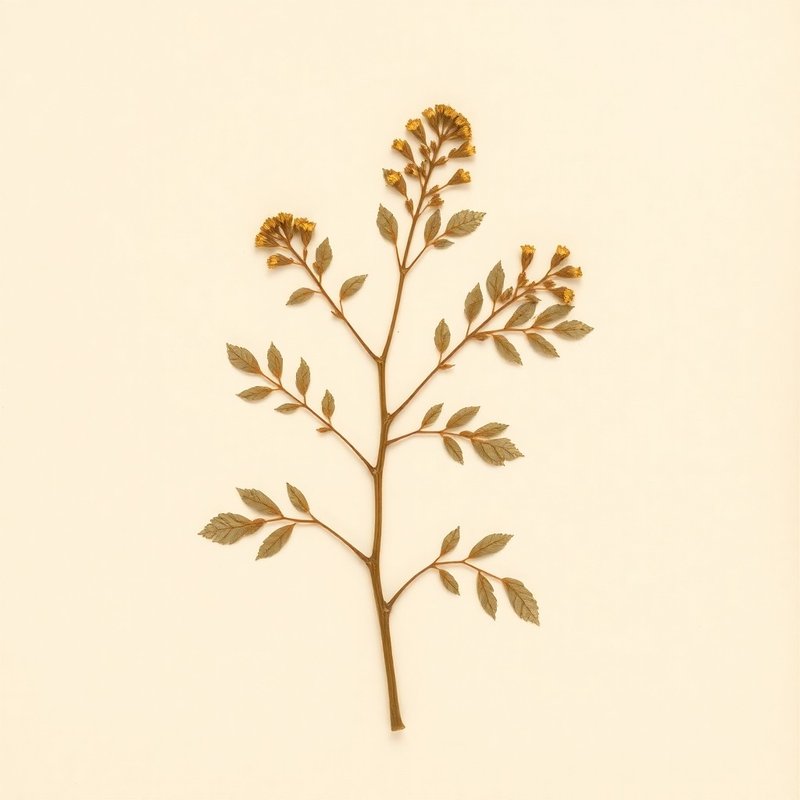
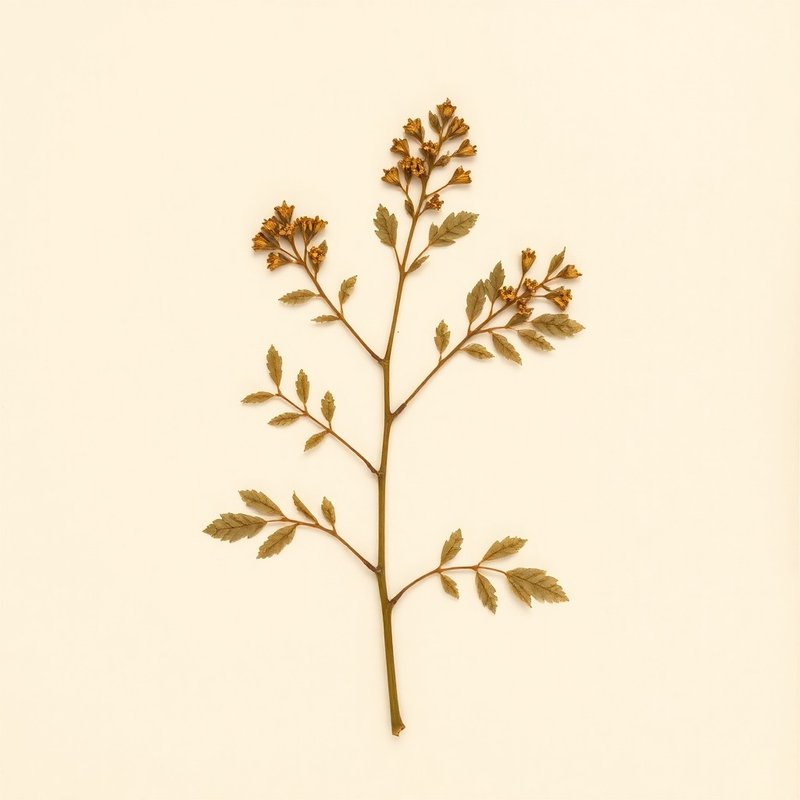
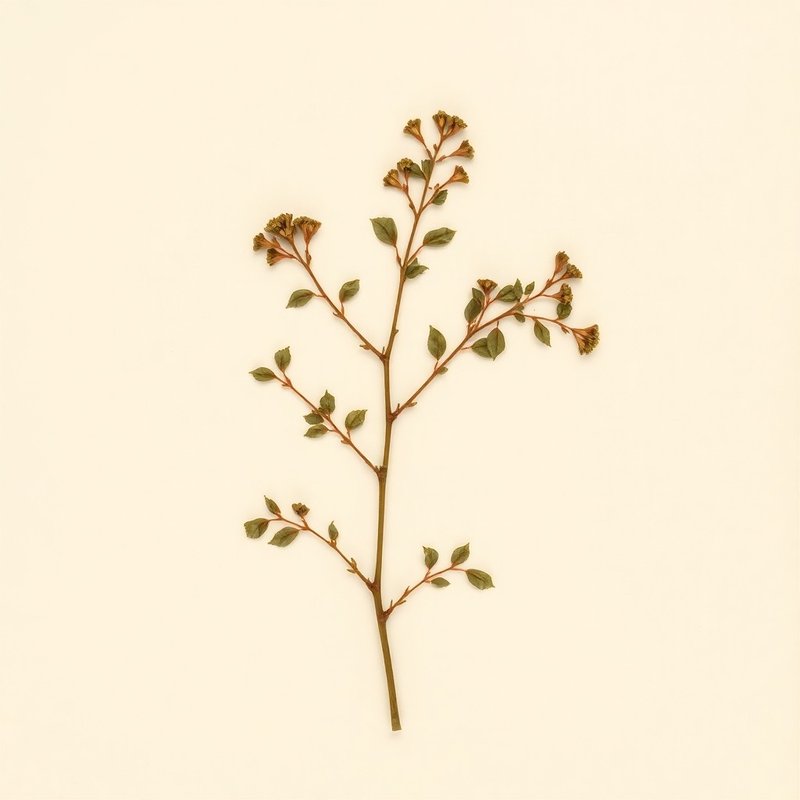
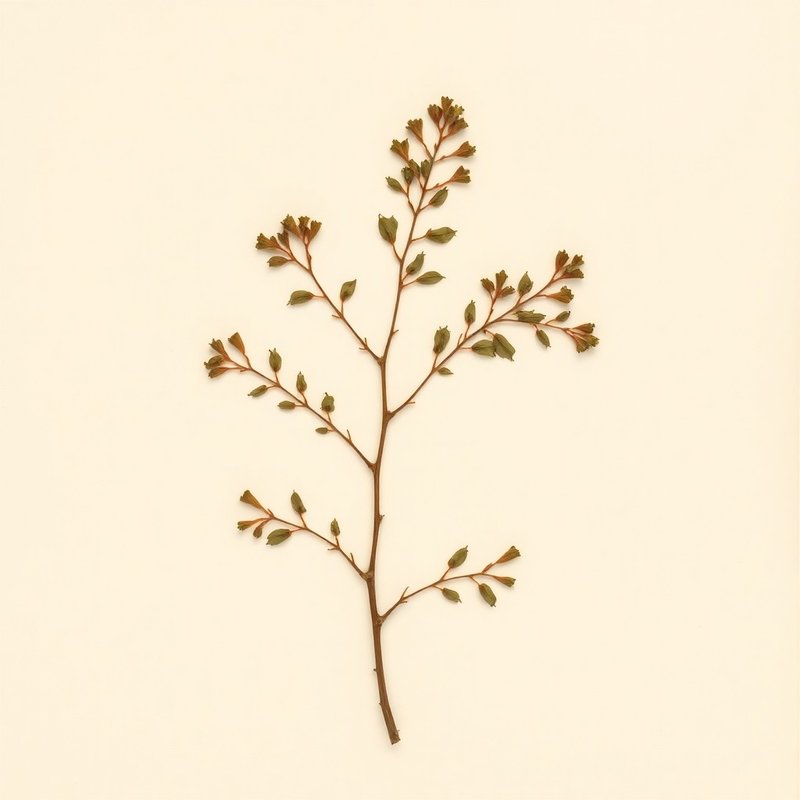
8 relatedPlants you might compare or use together — scored by shared family (Berberidaceae), common use cases, and growing requirements.
Explore further
About this entry
- Last updated
- Citation
- How to cite this entry · Submit a correction
Continue reading
Get archive updates
Occasional email when substantial new content lands — plant profiles, seasonal growing notes, folk-remedy additions. Free, no tracking, unsubscribe anytime.