
Skip to content
IIIFolio · plant profile№ 6278medicinal · edible
Data provenancePermapeopleTrefleWikipediaPFAFPOWOeditorially reviewedreviewed 21 Oct 2026methodology → read
Home/Plants/Polygalaceae

Polygala japonica

Polygala japonicafam. Polygalaceae
Educational content — not medical, botanical, or professional advice. Always consult a qualified clinician before using any herbal preparation — especially during pregnancy, breastfeeding, while on medication, or for children. How we source & review →
medicinaledibleperennialedibleedible rootmedicinalnative asiaperennial
Updated·Quick Q&A →
Garden journal pausedUse profile notes below
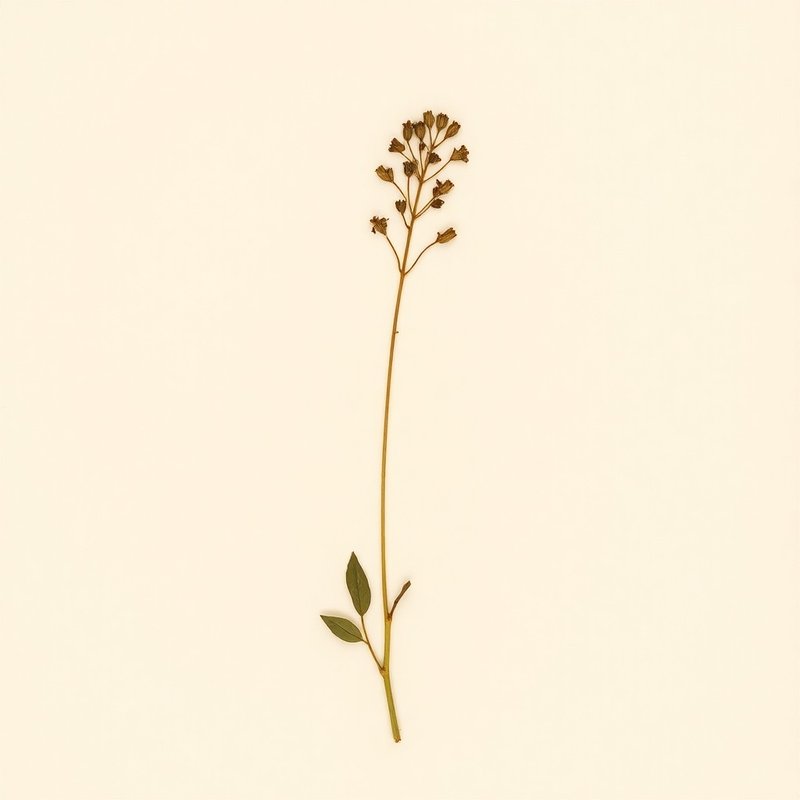
Polygala japonica (Polygala japonica) — botanical photograph
Pl. 6278 — Polygala japonica
Polygala japonicaPolygala japonicaPolygala japonicaPolygala japonicaPolygala japonicaPolygala japonicaPolygala japonicaPolygala japonicaPolygala japonicaPolygala japonicaPolygala japonicaPolygala japonicaPolygala japonicaPolygala japonica
I

Overview

Polygala japonica, a perennial plant native to regions including Assam, China, Japan, Korea, Laos, and Vietnam, is known for its ornamental value as well as its edible and medicinal uses. This plant thrives in moist conditions with partial sun or shade, growing up to 0.3 meters tall. It prefers light, medium, or heavy soil types and can be found in various habitats across its native range, from forests to gardens. The leaves and roots of Polygala japonica are edible parts of the plant, making it a versatile addition to gardens and landscapes. The leaves can be eaten raw or cooked, often added to salads or stir-fries, while the roots are typically dug and dried before use in soups or stews, adding a subtle flavor. This plant's adaptability and multi-purpose nature make Polygala japonica a noteworthy species in botanical studies and horticulture. While its parts are not recommended for medicinal use without professional guidance, it is important to handle the plant with care, especially when harvesting roots.

Quick answers

What is Polygala japonica?

Polygala japonica, a perennial plant native to regions including Assam, China, Japan, Korea, Laos, and Vietnam, is known for its ornamental value as well as its edible and medicinal uses. This plant thrives in moist conditions with partial sun or shade, growing up to 0.

IV·b

Mixology suggestions

2 drafts
Editorial drafts. These pairings are AI-suggested from traditional herbal lore. Always verify with a qualified herbalist before brewing.
Evening Calm
sleep
tea
Traditional bedtime infusion.
Stress Relief
stress
tincture
Historically used for calming the mind.
Growingconditions · propagation · uses
V

Cultivation

Polygala japonica thrives in full to partial sun and prefers moist, well-drained soil that can be light (sandy), medium, or heavy (clay). This perennial, which grows to about 0.3 meters, is hardy in temperate regions. For cultivation, ensure the soil remains consistently moist. Propagation can be done through root cuttings or seeds. The plant's edible parts include leaves and roots, making it a versatile addition to gardens and culinary uses.
Light
Full sun, Partial sun/shade
Water
Moist
Soil
Light (sandy), Medium, Heavy (clay)
Life cycle
Perennial
Mature size
0.3 m tall
For first-time growers

How to grow Polygala japonica for the first time

8steps

Start with a simple planting of Skip in your garden for a beginner-friendly experience.

  1. 1

    What you'll need

    Skip plants, well-draining soil, and containers if potting.

  2. 2

    Best time to plant

    Plant Skip in spring or early fall when temperatures are mild.

  3. 3

    Soil and container prep

    Use a light, medium, or heavy soil mix. Ensure good drainage for pots.

  4. 4

    Sowing or transplanting

    Transplant Skip from containers into the garden or sow seeds directly where you want them to grow.

  5. 5

    First two weeks

    Water regularly to keep the soil moist but not waterlogged. Monitor for pests and diseases.

  6. 6

    Ongoing care

    Provide partial sun to full sun, and water when the top inch of soil feels dry.

  7. 7

    Harvest or pruning

    Prune Skip in late winter to encourage new growth and maintain shape.

  8. 8

    Common mistakes

    Overwatering, planting in heavy shade, neglecting regular pruning.

VI

Edible & utility

Edible parts:LeavesRoot
Edible uses: The leaves and roots of Polygala japonica are edible. The leaves can be eaten raw or cooked, often added to salads or stir-fries. Roots are typically dug and dried before use in soups or stews, adding a subtle flavor.
Contextrange · companions · related
VII

Distribution

19 native · 0 introduced
Distribution across1 continent· 19 native
Asia10 regions
native (10)ChinaIndiaJapanLaosMyanmarPhilippinesSouth KoreaTaiwanThailandVietnam
Broader regions
native:Khabarovsk, Maluku, Nansei-shoto, New Guinea, Primorye
IX

Specimen gallery

1 image
Polygala japonica (Polygala japonica) — botanical photograph
Polygala japonica (Polygala japonica)
XI

Explore further

XII

About this entry

Last updated
Citation
How to cite this entry · Submit a correction
Back to the cataloguePlant id · 62787b4d-292d-4fc4-a638-490bc4d10c10
Decision aid
Choosing between Polygala japonica and something else?
Compare with another plant

Continue reading

❦❦❦❦
Endpaper · archive updates

Get archive updates

Occasional email when substantial new content lands — plant profiles, seasonal growing notes, folk-remedy additions. Free, no tracking, unsubscribe anytime.

Newsletter returning soon.
We are rebuilding the update list around a lightweight editorial workflow. New dispatches will resume after the next content review cycle.
iCare notes