
King Solomon's Seal
Polygonatum commutatum
Educational content — not medical, botanical, or professional advice. Always consult a qualified clinician before using any herbal preparation — especially during pregnancy, breastfeeding, while on medication, or for children. How we source & review →
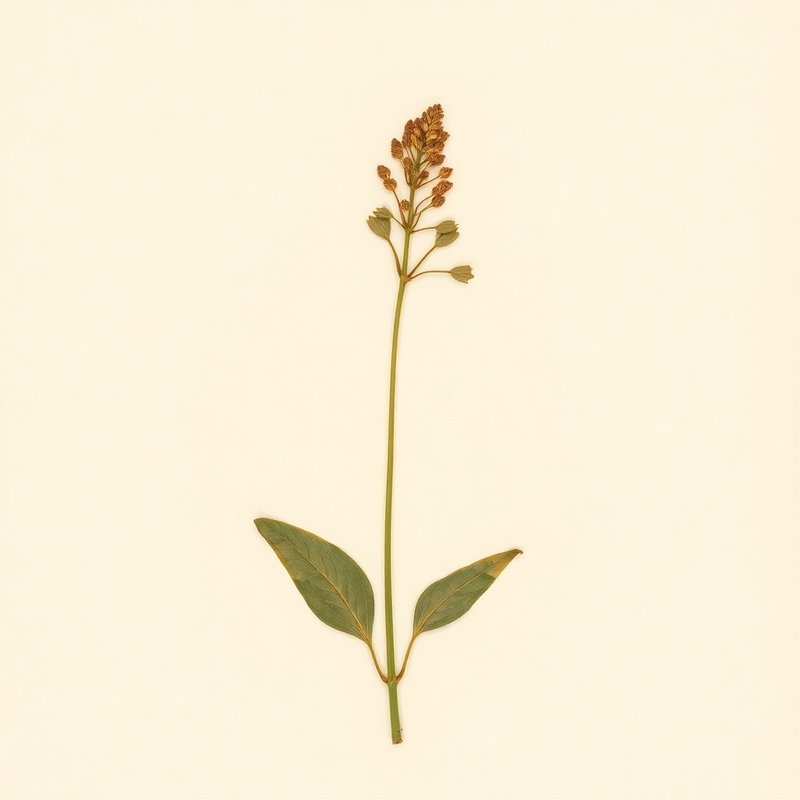
Pl. 2A8B — Polygonatum commutatum
Polygonatum commutatumPolygonatum commutatumPolygonatum commutatumPolygonatum commutatumPolygonatum commutatumPolygonatum commutatumPolygonatum commutatumPolygonatum commutatumPolygonatum commutatumPolygonatum commutatumPolygonatum commutatumPolygonatum commutatumPolygonatum commutatumPolygonatum commutatum
IOverview
Overview
King Solomon's Seal (Polygonatum commutatum) is a perennial herb native to the eastern United States and northeastern Mexico. This plant thrives in partial sun or full shade and prefers moist soil that can be light (sandy), medium, or heavy (clay). It is hardy from zone 4 to 8 and grows up to 2 meters tall. Known for its edible parts—leaves, roots, and shoots—it has been used both as a food source and in traditional medicine. Its distinctive feature includes the presence of white, bell-shaped flowers that hang downward from arching stems, creating a graceful appearance. King Solomon's Seal can be found across various regions including Alabama, Arizona, Arkansas, Connecticut, Delaware, Florida, Georgia, Illinois, Indiana, Iowa, Kansas, Kentucky, Louisiana, Maine, Massachusetts, Michigan, Minnesota, Mississippi, Missouri, Nebraska, New Hampshire, New Jersey, New York, North Carolina, Ohio, Oklahoma, Pennsylvania, Quebec, Rhode Island, South Carolina, South Dakota, Tennessee, Texas, Vermont, Virginia, West Virginia, Wisconsin, and Wyoming.
Quick answers
What is King Solomon's Seal?
King Solomon's Seal (Polygonatum commutatum) is a perennial herb native to the eastern United States and northeastern Mexico. This plant thrives in partial sun or full shade and prefers moist soil that can be light (sandy), medium, or heavy (clay).
What is King Solomon's Seal used for?
Traditionally used for immune support. Each claim is evidence-rated — see Section II for full citations.
Best for
Top 1 evidence-ranked use of King Solomon's Seal
Clinicaluses · safety · chemistry · dosagemedicinal profile
IIBenefits & evidence
1 claim · 0 sources
Benefits & evidence
1 claim · 0 sources- Traditional-use note: King Solomon's Seal appears in herbal sources around seasonal wellness traditions, often as a tea. PlantSage presents this as ethnobotanical context, not as medical advice.
Traditional context only. This reviewed claim keeps the original low confidence level, but avoids treatment, disease, dosage, or guaranteed-effect language.
Growingconditions · propagation · uses
VCultivation
Cultivation
King Solomon's Seal thrives in partial sun to full shade and prefers moist soil that is light (sandy), medium, or heavy (clay). It is hardy in zones 4-8 and grows as a perennial, reaching heights of up to 2 meters. Propagate through root division in early spring for best results. The edible parts include leaves, roots, and shoots.
Light
Partial sun/shade, Full shade
Water
Moist
Soil
Light (sandy), Medium, Heavy (clay)
Hardiness
4-8
Life cycle
Perennial
Habit
Forb/herb
Mature size
2.0 m tall
For first-time growers
How to grow King Solomon's Seal for the first time
8steps
Start with a simple planting of King Solomon's Seal in a partially shaded area, ensuring you have the right soil and care basics.
- 1
What you'll need
A shovel, garden gloves, and some light mulch.
- 2
Best time to plant
Plant in early spring or late fall when the soil is moist but not waterlogged.
- 3
Soil and container prep
Choose a spot with partial shade and prepare loose, well-draining soil. Ensure containers are at least 15 cm deep.
- 4
Sowing or transplanting
Plant rhizomes about 2-3 inches deep and 6-8 inches apart in the garden bed.
- 5
First two weeks
Keep the soil consistently moist. Water regularly, especially if there is no rain.
- 6
Ongoing care
Water when the top inch of soil feels dry. Mulch around plants to retain moisture and suppress weeds.
- 7
Harvest or pruning
Prune dead foliage in late winter to maintain plant health and appearance.
- 8
Common mistakes
Overwatering, planting too deep, neglecting mulching, and not providing enough shade are common pitfalls.
VIEdible & utility
Edible & utility
Edible parts:LeavesRootShoots
Edible uses: King Solomon's Seal is edible and its leaves, roots, and shoots can be consumed. The roots are often dug up and used in soups or stews when cooked. The young shoots and leaves are sometimes eaten raw in salads for their mild flavor. Skip the detailed preparation methods as specific uses vary based on local practices.
Other uses:Fragrance
Contextrange · companions · related
VIIDistribution
30 native · 0 introduced
Distribution
30 native · 0 introducedDistribution across1 continent· 30 native
Asia1 region
native (1)Georgia
Broader regions
native:Alabama, Arizona, Arkansas, Massachusetts, Connecticut, Delaware, District of Columbia, Florida, Illinois, Indiana, Iowa, Kansas, Kentucky, Louisiana, Maine, Manitoba, Mexico Northeast, Michigan, Minnesota, Mississippi, Missouri, Nebraska, New Hampshire, New Mexico, New York, North Carolina, North Dakota, Ohio, Oklahoma
IXSpecimen gallery
1 image
Specimen gallery
1 imageXSee also
8 related
See also
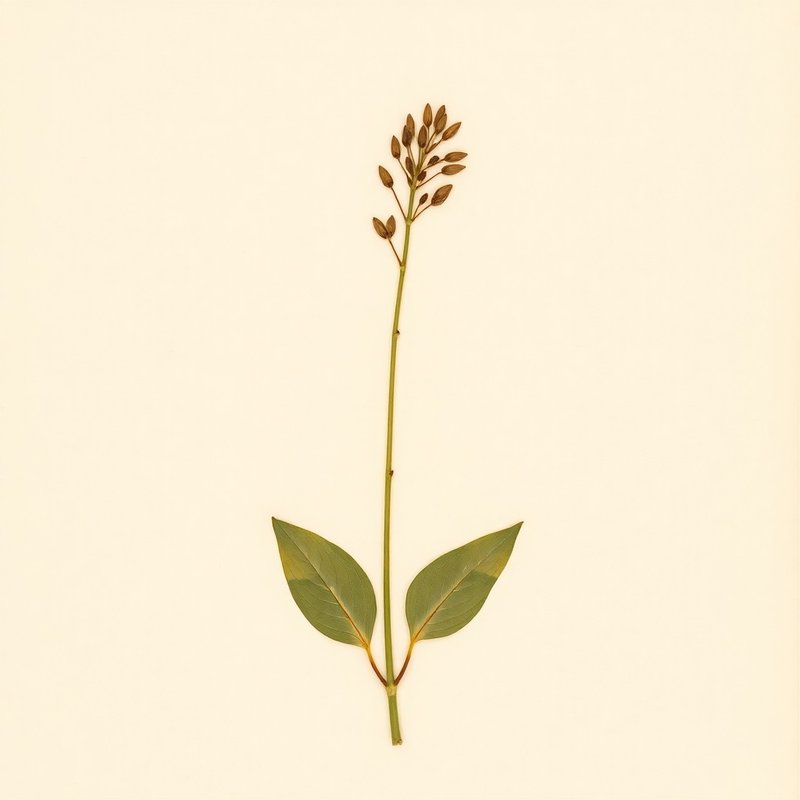
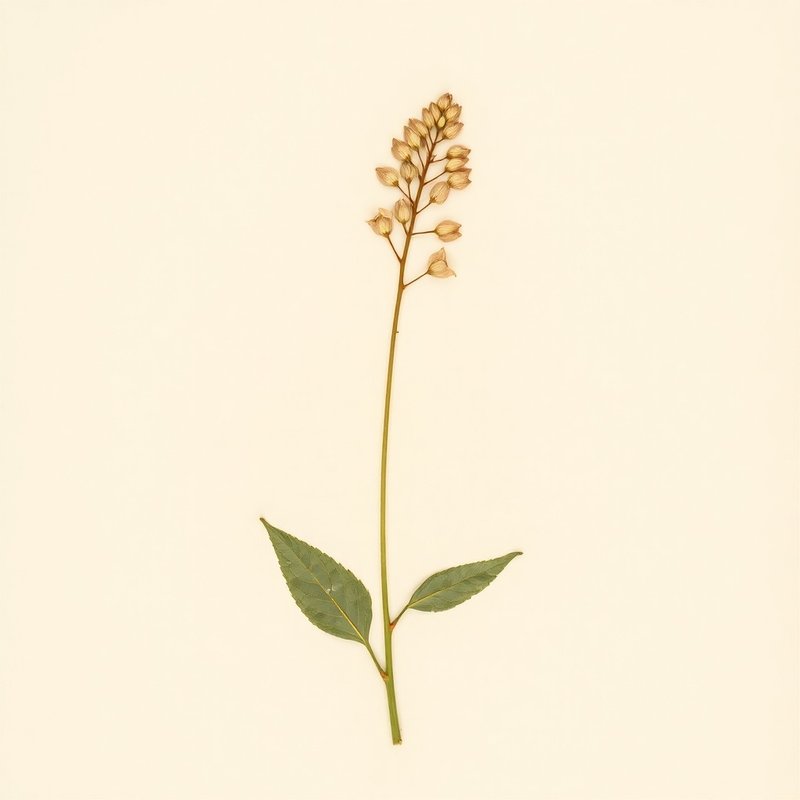
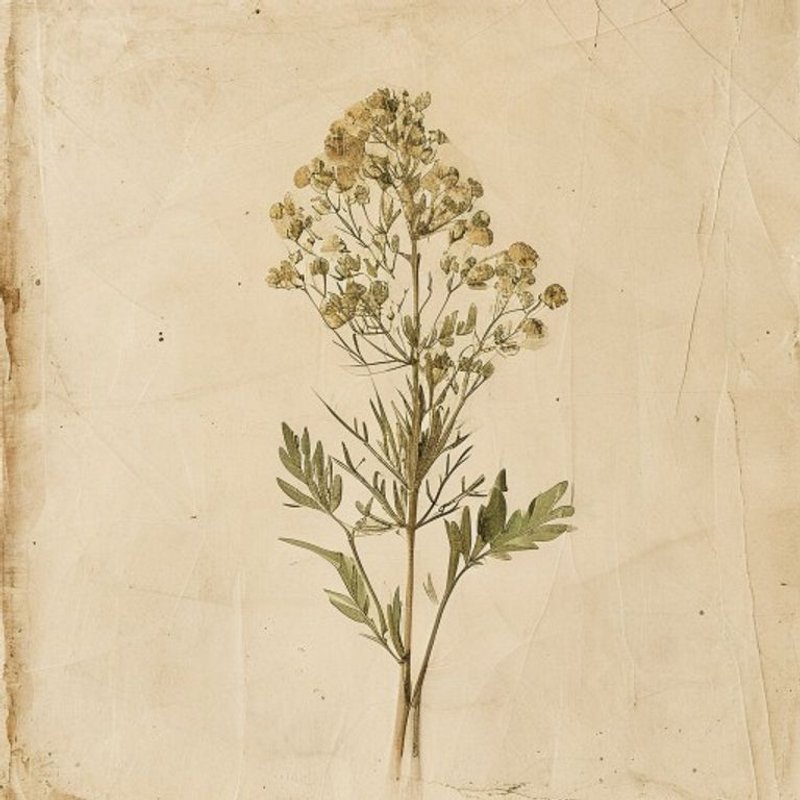
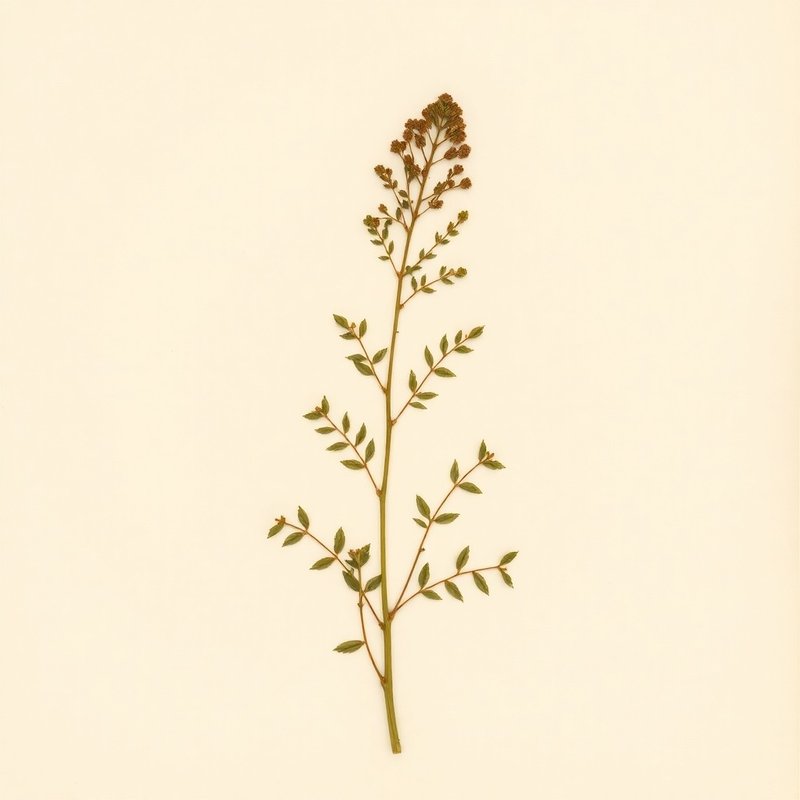
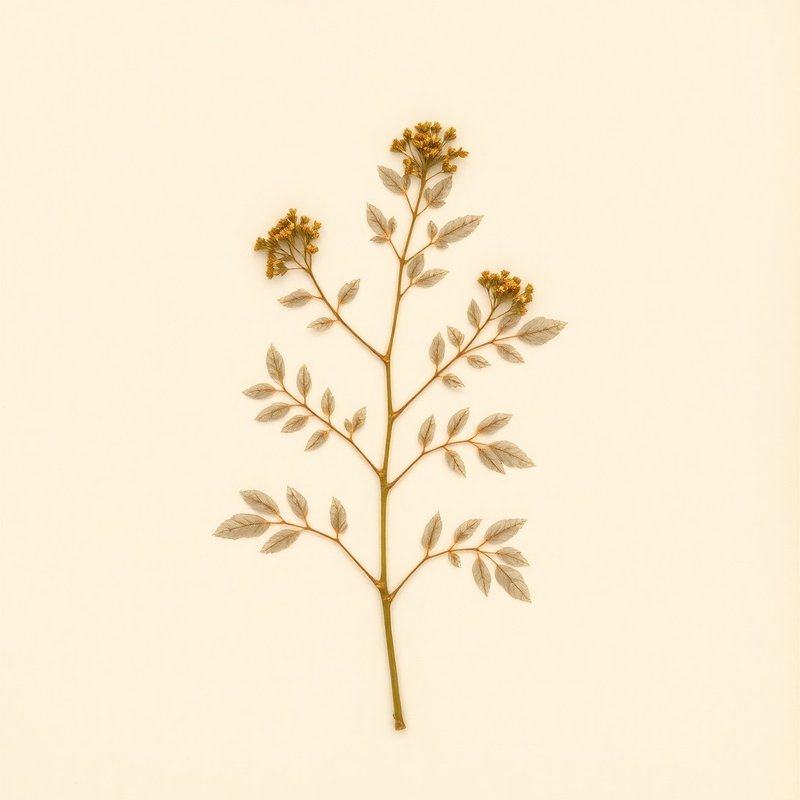
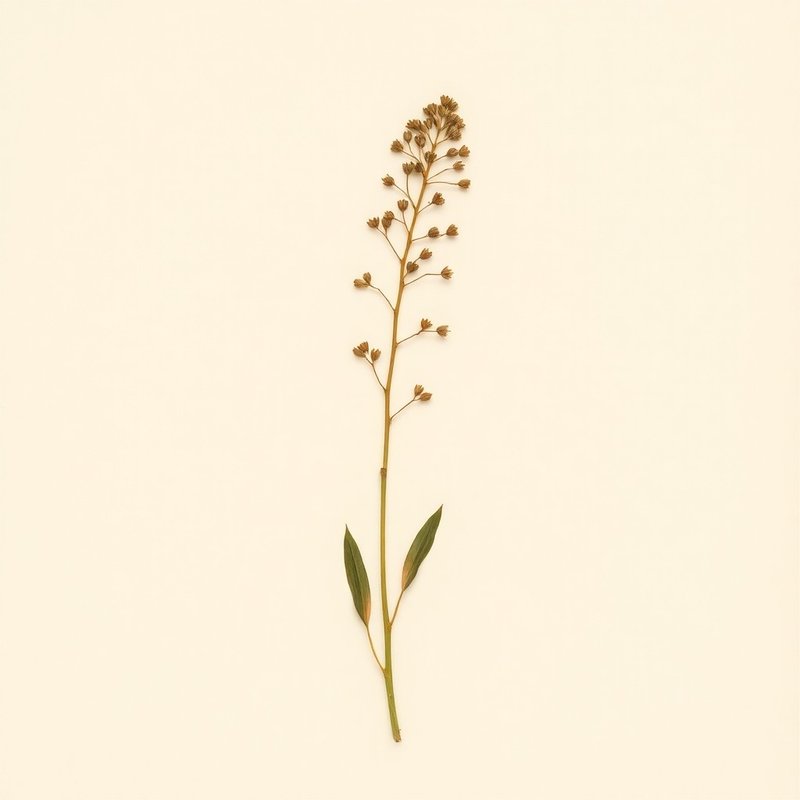
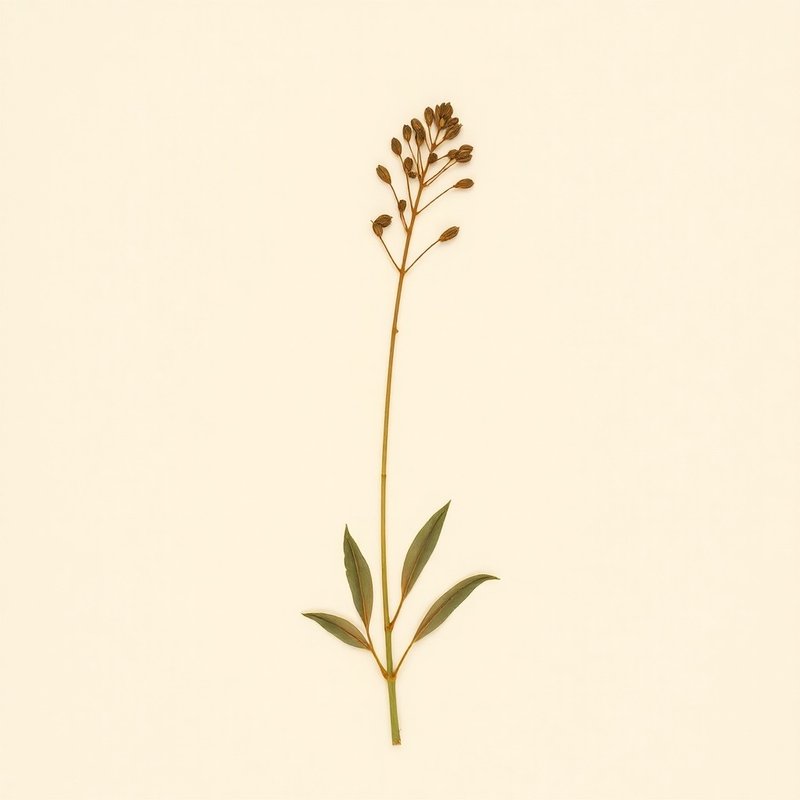
8 relatedPlants you might compare or use together — scored by shared family, common use cases, and growing requirements.
shared use cases
Different families, similar therapeutic role — good for comparing.

XI
Explore further
Companion planting
Compare with similar plants
Growing zone
XII
About this entry
- Last updated
- Citation
- How to cite this entry · Submit a correction
Back to the cataloguePlant id · 2a8b6da8-bb8e-4451-a014-b1763c6a8baf
Decision aid
Choosing between King Solomon's Seal and something else?
Continue reading
❦❦❦❦
Endpaper · archive updates
Get archive updates
Occasional email when substantial new content lands — plant profiles, seasonal growing notes, folk-remedy additions. Free, no tracking, unsubscribe anytime.