
Potamogeton distinctus
Potamogeton distinctus
Educational content — not medical, botanical, or professional advice. Plant identification, safety, and edibility depend on local conditions, cultivars, and correct identification. Consult a qualified botanist or forager before consuming or handling wild specimens. How we source & review →
Garden journal pausedUse profile notes below
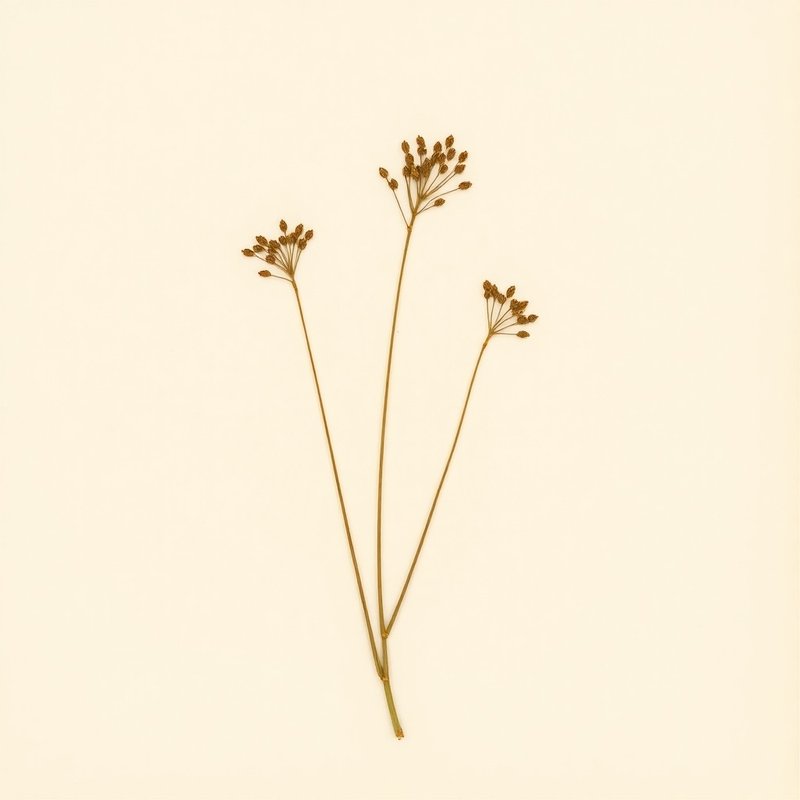
Pl. D63C — Potamogeton distinctus
Potamogeton distinctusPotamogeton distinctusPotamogeton distinctusPotamogeton distinctusPotamogeton distinctusPotamogeton distinctusPotamogeton distinctusPotamogeton distinctusPotamogeton distinctusPotamogeton distinctusPotamogeton distinctusPotamogeton distinctusPotamogeton distinctusPotamogeton distinctus
IOverview
Overview
Potamogeton distinctus, commonly known as Potamogeton distinctus, is a perennial aquatic plant found in various regions including Amur, China, Japan, and Southeast Asia. Native to areas such as Amur, China North-Central, China South-Central, China Southeast, East Himalaya, Inner Mongolia, Japan, Jawa, Kamchatka, Khabarovsk, Korea, Kuril Is., Lesser Sunda Is., Malaya, Manchuria, Myanmar, Nansei-shoto, Nepal, Philippines, Primorye, Qinghai, Sumatera, Taiwan, Thailand, Tibet, Vanuatu, Vietnam, West Himalaya, and Xinjiang, this plant thrives in full sun and prefers light to heavy soils. Potamogeton distinctus is adaptable and commonly grows in water-rich environments such as ponds and slow-moving streams, making it a valuable addition to aquatic gardens and natural water bodies. The leaves and stems of Potamogeton distinctus are edible, providing a source of sustenance when harvested from its natural habitat. These parts can be eaten fresh or prepared in various ways, though specific cooking methods are not detailed in the provided data. Its ability to grow in a variety of soil types, from light (sandy) to heavy (clay), and its preference for full sun, make it a versatile plant for cultivation in temperate regions. Potamogeton distinctus can be propagated through division, ensuring its continued presence in both natural and cultivated settings. While Potamogeton distinctus is primarily known for its edible parts, it is important to note that no medicinal uses or safety claims are supported by the provided data. Therefore, caution should be exercised when handling or consuming this plant.
Quick answers
What is Potamogeton distinctus?
Potamogeton distinctus, commonly known as Potamogeton distinctus, is a perennial aquatic plant found in various regions including Amur, China, Japan, and Southeast Asia.
Growingconditions · propagation · uses
VCultivation
Cultivation
Potamogeton distinctus thrives in full sun and requires water for its cultivation. It prefers light, medium, or heavy soil types and is a perennial plant. For optimal growth, the soil should be well-drained but moisture-retentive. Propagation can be done through stem cuttings or division. This plant is native to various regions in Asia and is hardy in temperate regions. Its edible parts include the leaves and stems.
Light
Full sun
Water
Water
Soil
Light (sandy), Medium, Heavy (clay)
Life cycle
Perennial
For first-time growers
How to grow Potamogeton distinctus for the first time
8steps
Start with a simple water garden setup to grow Potamogeton distinctus.
- 1
What you'll need
A container or pond, soil, and the Potamogeton distinctus plant.
- 2
Best time to plant
Plant in spring when water temperatures are above 50°F (10°C).
- 3
Soil and container prep
Use a container with at least 2 feet of water depth. Fill with light, medium, or heavy soil.
- 4
Sowing or transplanting
Transplant the plant directly into the prepared container or pond.
- 5
First two weeks
Keep the water clean and monitor for any signs of stress in the plant.
- 6
Ongoing care
Provide full sun, keep water levels consistent, and avoid over-fertilization.
- 7
Harvest or pruning
Prune dead leaves to maintain a healthy appearance. No specific harvesting needed for this species.
- 8
Common mistakes
Over-fertilizing, using incorrect soil types, not providing enough sunlight.
VIEdible & utility
Edible & utility
Edible parts:LeavesStem
Edible uses: The leaves and stems of Potamogeton distinctus are edible. Typically, they are harvested from water habitats where the plant grows naturally. These parts can be eaten fresh or prepared in various ways, though specific cooking methods are not detailed in the provided data.
Contextrange · companions · related
VIIDistribution
29 native · 0 introduced
Distribution
29 native · 0 introducedDistribution across2 continents· 29 native
Asia9 regions
native (9)ChinaJapanMyanmarNepalPhilippinesSouth KoreaTaiwanThailandVietnam
Oceania1 region
native (1)Vanuatu
Broader regions
native:Amur, East Himalaya, Jawa, Kamchatka, Khabarovsk, Kuril Is., Lesser Sunda Is., Malaya, Nansei-shoto, Primorye, Sumatera, West Himalaya
IXSpecimen gallery
1 image
Specimen gallery
1 imageXI
Explore further
Companion planting
XII
About this entry
- Last updated
- Citation
- How to cite this entry · Submit a correction
Back to the cataloguePlant id · d63cdeb8-18e1-40aa-809e-a24f8e7563d1
Decision aid
Choosing between Potamogeton distinctus and something else?
Continue reading
❦❦❦❦
Endpaper · archive updates
Get archive updates
Occasional email when substantial new content lands — plant profiles, seasonal growing notes, folk-remedy additions. Free, no tracking, unsubscribe anytime.
Newsletter returning soon.
We are rebuilding the update list around a lightweight editorial workflow. New dispatches will resume after the next content review cycle.