
Broad-Leaved Pondweed
Potamogeton natans
Educational content — not medical, botanical, or professional advice. Plant identification, safety, and edibility depend on local conditions, cultivars, and correct identification. Consult a qualified botanist or forager before consuming or handling wild specimens. How we source & review →
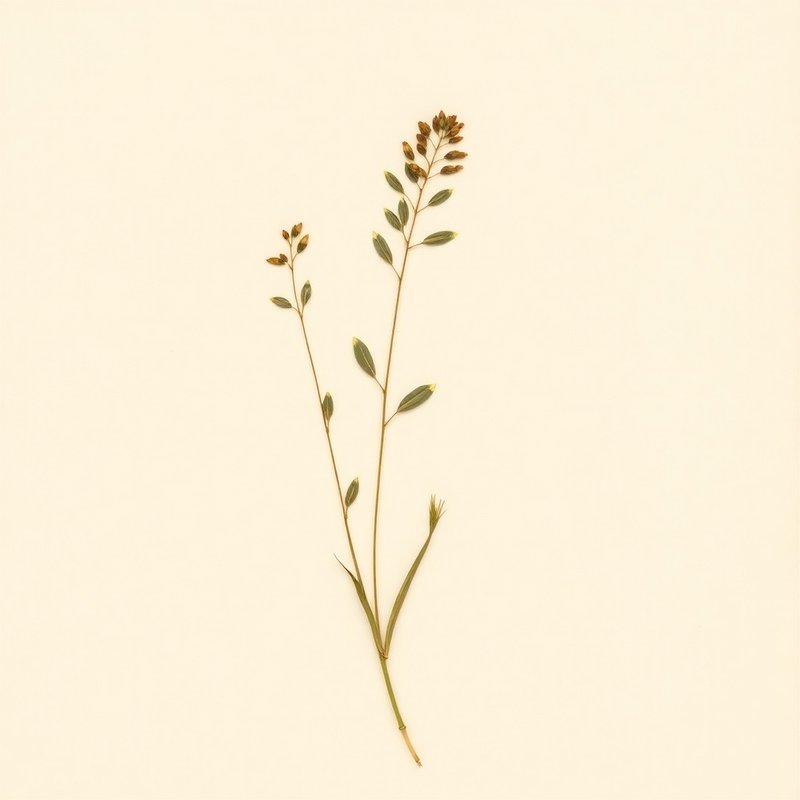
Pl. 1AE6 — Potamogeton natans
Potamogeton natansPotamogeton natansPotamogeton natansPotamogeton natansPotamogeton natansPotamogeton natansPotamogeton natansPotamogeton natansPotamogeton natansPotamogeton natansPotamogeton natansPotamogeton natansPotamogeton natansPotamogeton natans
IOverview
Overview
Broad-Leaved Pondweed (Potamogeton natans) is a perennial herb that thrives in various habitats across the globe, from North America and Europe to Asia. Known for its edible root and stem parts, this plant can be found in regions such as Afghanistan, Alaska, Albania, Alberta, Algeria, and many others listed above. It prefers light (sandy), medium, or heavy (clay) soils with a pH range of 5.8–7. One distinctive feature is its broad leaves that grow up to 1 meter tall, making it easily recognizable in aquatic environments. This plant's adaptability and presence in diverse ecosystems contribute to its significance as both an ornamental and edible species.
Quick answers
What is Broad-Leaved Pondweed?
Broad-Leaved Pondweed (Potamogeton natans) is a perennial herb that thrives in various habitats across the globe, from North America and Europe to Asia. Known for its edible root and stem parts, this plant can be found in regions such as Afghanistan, Alaska, Albania, Alberta, Algeria, and many others listed above.
Growingconditions · propagation · uses
VCultivation
Cultivation
Broad-Leaved Pondweed thrives in light to medium and heavy soils, preferring a pH between 5.8 and 7. It is hardy in temperate regions and can be found across various continents. This perennial grows up to 1 meter tall and requires ample water, making it ideal for pond or wetland gardens. For cultivation, use light (sandy), medium, or heavy soils with a balanced moisture level. Harvest the edible root and stem parts for culinary use. Ensure it receives full sun to partial shade for best growth. SKIP
Light
6/10
Water
Water
Soil
Light (sandy), Medium, Heavy (clay)
Life cycle
Perennial
Habit
Forb/herb
Mature size
1.0 m tall
Soil pH
5.8–7
For first-time growers
How to grow Broad-Leaved Pondweed for the first time
8steps
Start with Broad-Leaved Pondweed as a simple, low-maintenance addition to your garden or pond.
- 1
What you'll need
A container or area in the water, seeds or small plants.
- 2
Best time to plant
Plant in spring when temperatures are mild and stable.
- 3
Soil and container prep
Ensure the soil is light (sandy), medium, or heavy with a pH of 5.8–7. If planting in water, use a suitable aquatic container.
- 4
Sowing or transplanting
Direct sow seeds into the prepared area or transplant small plants from another source.
- 5
First two weeks
Keep the area moist and monitor for any signs of stress or disease. Adjust water levels if necessary.
- 6
Ongoing care
Regularly check for invasive growth, remove as needed to maintain balance in your aquatic environment.
- 7
Harvest or pruning
Prune stems and roots occasionally to encourage healthy growth and prevent overcrowding.
- 8
Common mistakes
Overcrowding the area, using incorrect soil pH, not providing enough water, neglecting regular maintenance.
VIEdible & utility
Edible & utility
Edible parts:RootStem
Edible uses: The broad-leaved pondweed's root and stem are edible. Typically, these parts can be eaten raw or cooked. They are often prepared by boiling to enhance their flavor and texture. Skip the detailed recipe; simply note that both roots and stems offer a mild, water-like taste when consumed.
Contextrange · companions · related
VIIDistribution
30 native · 0 introduced
Distribution
30 native · 0 introducedDistribution across3 continents· 30 native
Europe12 regions
native (12)AustriaBelarusBelgiumBulgariaDenmarkFinlandFranceGermanyGreeceHungaryRussiaUnited Kingdom
Americas1 region
native (1)United States
Africa1 region
native (1)Algeria
Broader regions
native:Massachusetts, Alberta, Altay, Amur, Arizona, Baltic States, British Columbia, Buryatiya, California, Chita, Colorado, Connecticut, East Aegean Is., Føroyar
IXSpecimen gallery
1 image
Specimen gallery
1 imageXI
Explore further
Companion planting
XII
About this entry
- Last updated
- Citation
- How to cite this entry · Submit a correction
Back to the cataloguePlant id · 1ae666a0-41d3-4ffb-9d4b-3a4294d85d07
Decision aid
Choosing between Broad-Leaved Pondweed and something else?
Continue reading
❦❦❦❦
Endpaper · archive updates
Get archive updates
Occasional email when substantial new content lands — plant profiles, seasonal growing notes, folk-remedy additions. Free, no tracking, unsubscribe anytime.