
Potamogeton oxyphyllus
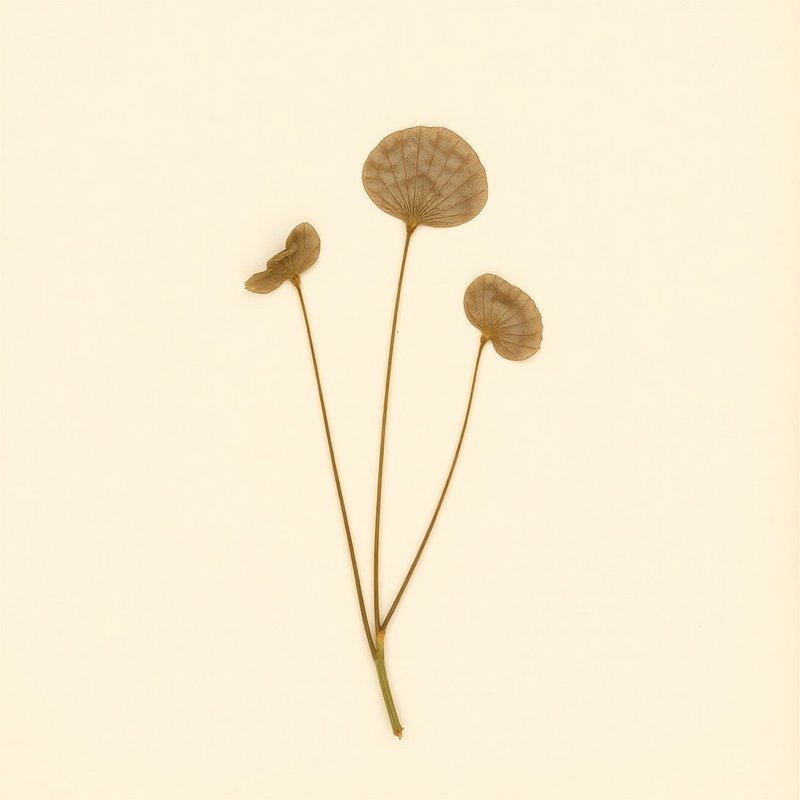
IOverview
Overview
Potamogeton oxyphyllus, a perennial aquatic plant, thrives in environments with full sun and heavy clay soil, though it can adapt to lighter sandy or medium soils as well. Native to regions including China North-Central, South-Central, and Southeast, Japan, Korea, Manchuria, Primorye, Sumatera, and Taiwan, this plant is known for its edible parts—leaves, roots, and stems—which are often utilized in culinary dishes. Typically, these parts are harvested from aquatic environments where the plant grows and can be eaten raw or cooked in various dishes. Its distinctive feature lies in its ability to grow in a variety of soil types while thriving best in water-rich environments. While not medicinal, Potamogeton oxyphyllus is an important resource for foragers and gardeners in its native regions, providing a versatile and nutritious addition to local cuisine.
What is Potamogeton oxyphyllus?
Potamogeton oxyphyllus, a perennial aquatic plant, thrives in environments with full sun and heavy clay soil, though it can adapt to lighter sandy or medium soils as well.
VCultivation
Cultivation
How to grow Potamogeton oxyphyllus for the first time
Start with a simple water garden setup to grow Potamogeton oxyphyllus.
- 1
What you'll need
A container or pond, aquatic planting medium, and the Potamogeton oxyphyllus plants.
- 2
Best time to plant
Plant in spring when water temperatures are above 50°F (10°C).
- 3
Soil and container prep
Use a mix of sand, silt, and clay for the planting medium. Ensure the container has adequate drainage holes.
- 4
Sowing or transplanting
Transplant young plants into the prepared container, ensuring they are submerged to their roots.
- 5
First two weeks
Monitor water quality and ensure consistent sunlight exposure. Keep the water level stable.
- 6
Ongoing care
Provide full sun and keep the water clean by removing debris. Monitor for pests or diseases.
- 7
Harvest or pruning
Prune dead leaves to maintain plant health, but avoid overpruning as it may stress the plant.
VIEdible & utility
Edible & utility
VIIDistribution
10 native · 0 introduced
Distribution
10 native · 0 introducedIXSpecimen gallery
1 image
Specimen gallery
1 imageExplore further
About this entry
- Last updated
- Citation
- How to cite this entry · Submit a correction
Continue reading
Get archive updates
Occasional email when substantial new content lands — plant profiles, seasonal growing notes, folk-remedy additions. Free, no tracking, unsubscribe anytime.