
Potamogeton suboblongus
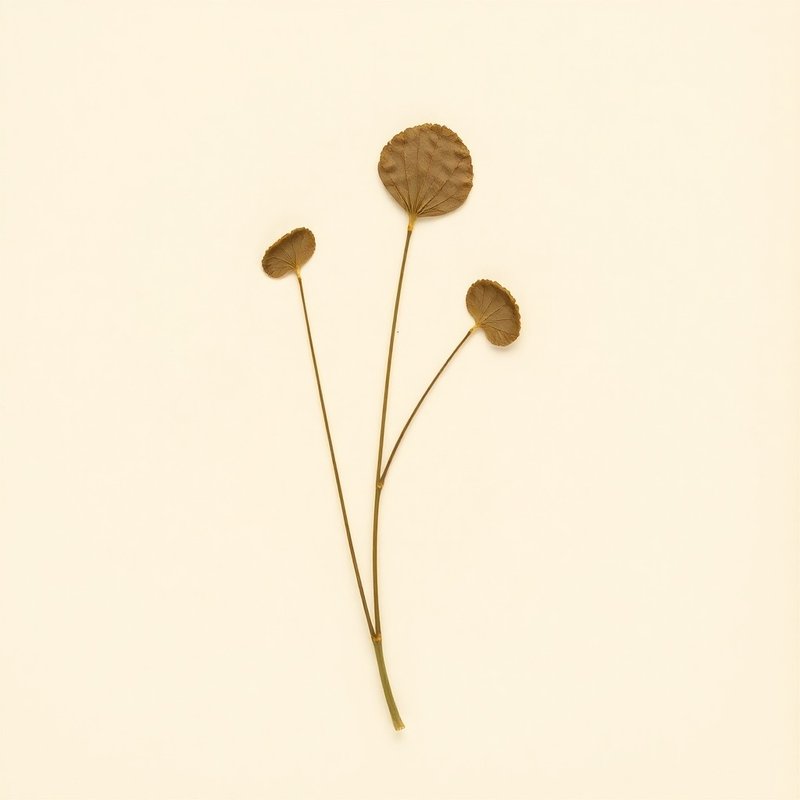
IOverview
Overview
Potamogeton suboblongus, commonly known as Potamogeton suboblongus, is a perennial aquatic plant native to the North and South Islands of New Zealand. Thriving in full sun, this plant is adaptable to a variety of soil types, including light (sandy), medium, and heavy (clay) soils. Known for its edible leaves, which can be eaten raw or cooked, Potamogeton suboblongus is both ornamental and useful, adding a touch of greenery to water bodies while providing a food source. Its ability to grow in diverse soil types ensures its presence in New Zealand's varied landscapes. The plant's leaves, which are commonly prepared by boiling to add a mild, fresh flavor to salads or as a green vegetable side dish, are the primary edible part. While not medicinal, Potamogeton suboblongus is a valuable addition to aquatic environments and a sustainable food source in New Zealand's native ecosystems.
What is Potamogeton suboblongus?
Potamogeton suboblongus, commonly known as Potamogeton suboblongus, is a perennial aquatic plant native to the North and South Islands of New Zealand. Thriving in full sun, this plant is adaptable to a variety of soil types, including light (sandy), medium, and heavy (clay) soils.
VCultivation
Cultivation
How to grow Potamogeton suboblongus for the first time
Start with basic care and observe the plant's needs as you learn.
- 1
What you'll need
A container or garden bed, potting soil, a Skip plant.
- 2
Best time to plant
Plant in spring when temperatures are mild.
- 3
Soil and container prep
Use light (sandy), medium, or heavy clay soil. Ensure good drainage for water plants.
- 4
Sowing or transplanting
Transplant Skip into your prepared soil, ensuring it's submerged in water.
- 5
First two weeks
Keep the plant in a sunny spot and monitor water levels to ensure they are consistently moist.
- 6
Ongoing care
Provide full sun exposure. Keep the soil or container well-watered, but avoid overwatering.
- 7
Harvest or pruning
Prune leaves as needed for maintenance and to encourage new growth.
- 8
Common mistakes
Overwatering, planting in poor drainage, neglecting sunlight exposure, not providing enough nutrients, and harvesting too aggressively.
VIEdible & utility
Edible & utility
VIIDistribution
2 native · 0 introduced
Distribution
2 native · 0 introducedIXSpecimen gallery
1 image
Specimen gallery
1 imageExplore further
About this entry
- Last updated
- Citation
- How to cite this entry · Submit a correction
Continue reading
Get archive updates
Occasional email when substantial new content lands — plant profiles, seasonal growing notes, folk-remedy additions. Free, no tracking, unsubscribe anytime.