
Potentilla kleiniana
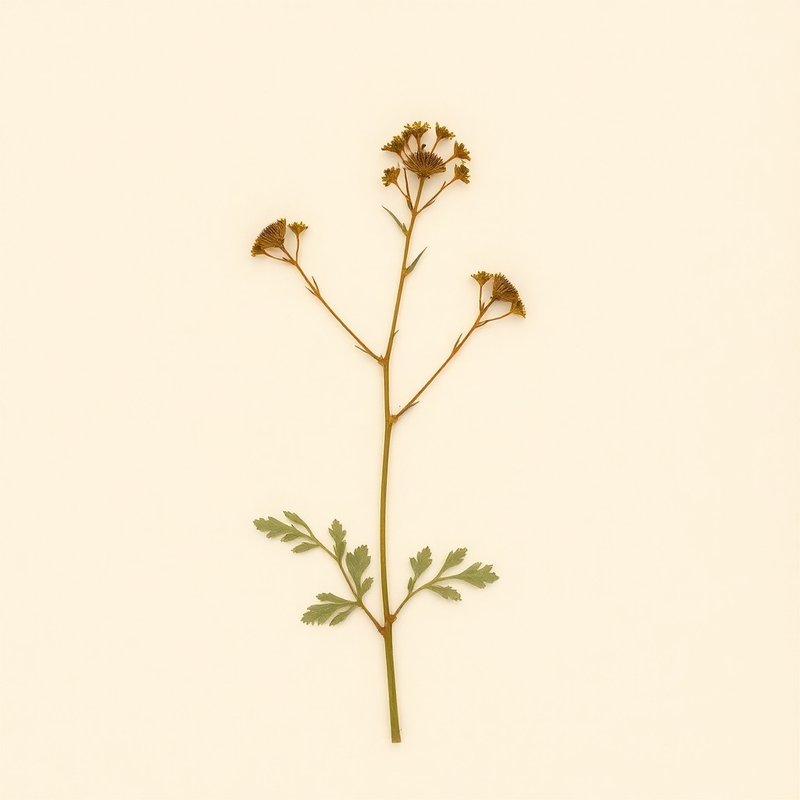
IOverview
Overview
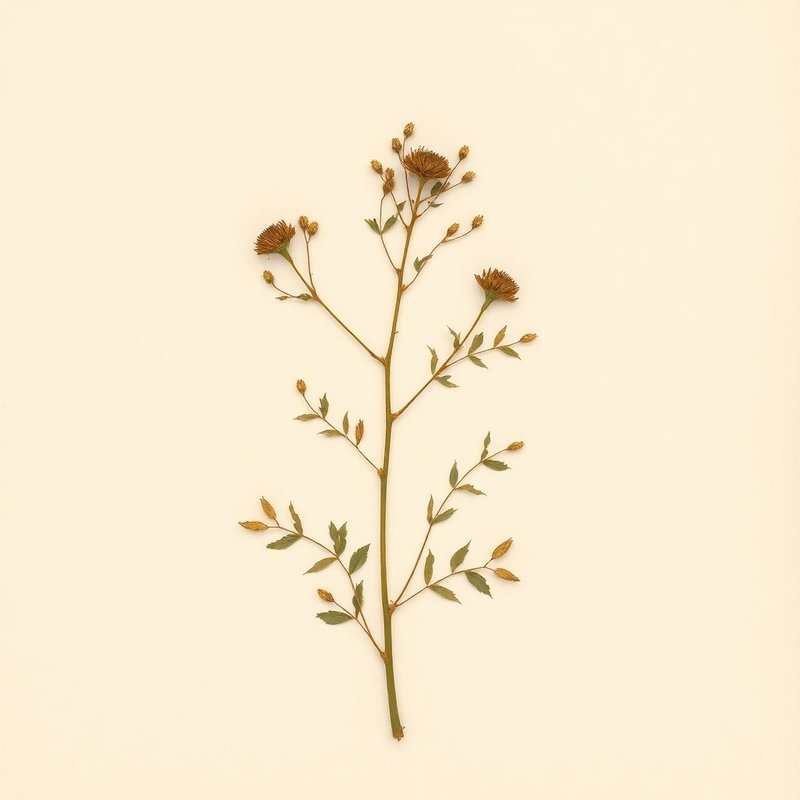
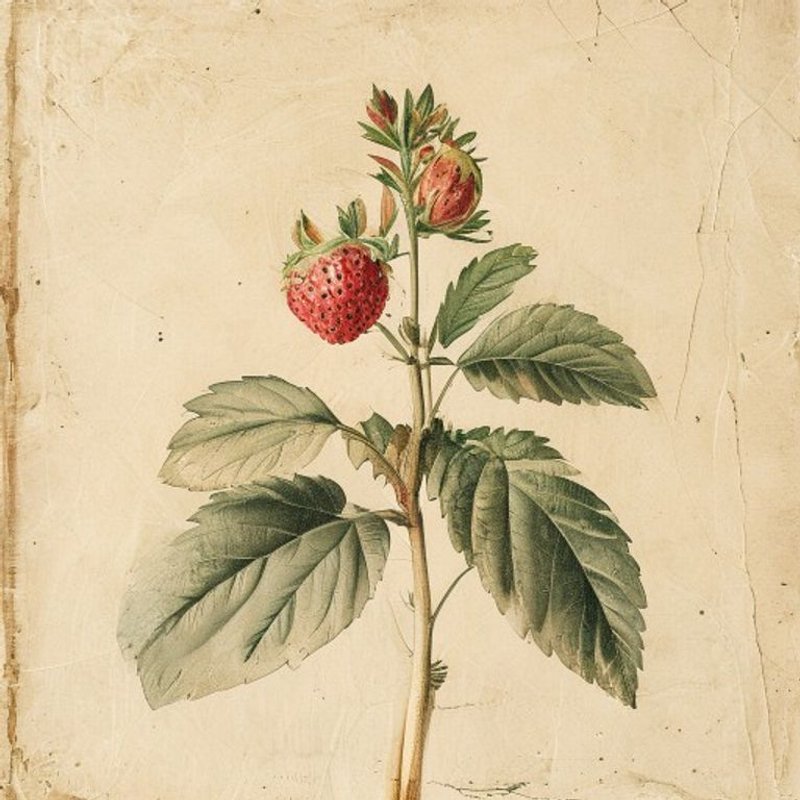
Potentilla kleiniana, commonly known as the Japanese cinquefoil, is a perennial plant that reaches a height of 0.3 meters and belongs to the Rosaceae family. Native to Japan, this plant is adaptable and thrives in moist conditions, preferring light to partial shade. It grows well in soil types ranging from sandy to heavy clay, making it a versatile addition to gardens or herbal remedies. The leaves and fruits of Potentilla kleiniana are edible and can be used in various culinary applications. The fruits are typically eaten raw but can also be dried for later use, while the leaves can be consumed fresh or cooked in dishes. Additionally, this plant has documented medicinal uses, making it a valuable addition to gardens or herbal remedies. While it can tolerate some shade, full sun exposure also benefits its growth. One cautionary note is that despite its medicinal potential, no specific safety claims or dosages are recommended.
What is Potentilla kleiniana?
Potentilla kleiniana, commonly known as the Japanese cinquefoil, is a perennial plant that reaches a height of 0.3 meters and belongs to the Rosaceae family. Native to Japan, this plant is adaptable and thrives in moist conditions, preferring light to partial shade.
IV·bMixology suggestions
2 drafts
Mixology suggestions
2 draftsVCultivation
Cultivation
How to grow Potentilla kleiniana for the first time
Skip is a low-maintenance perennial that's perfect for beginners looking to add some variety to their garden.
- 1
What you'll need
A small Skip plant or seeds, a trowel, and a watering can.
- 2
Best time to plant
Plant Skip in early spring or late fall when the weather is cooler.
- 3
Soil and container prep
Ensure your soil is well-draining with a pH between 6.0 and 7.5, and prepare containers that are at least 30 cm wide.
- 4
Sowing or transplanting
Transplant Skip from its pot to the garden bed or sow seeds directly into the soil, covering them lightly.
- 5
First two weeks
Water regularly to keep the soil moist but not waterlogged. Avoid direct sunlight during this period.
- 6
Ongoing care
Provide full sun to partial shade and water when the top inch of soil feels dry. Fertilize once a year in early spring.
- 7
Harvest or pruning
Prune Skip after flowering to encourage new growth and remove any dead or damaged parts.
VIEdible & utility
Edible & utility
IXSpecimen gallery
1 image
Specimen gallery
1 imageXSee also
8 related
See also
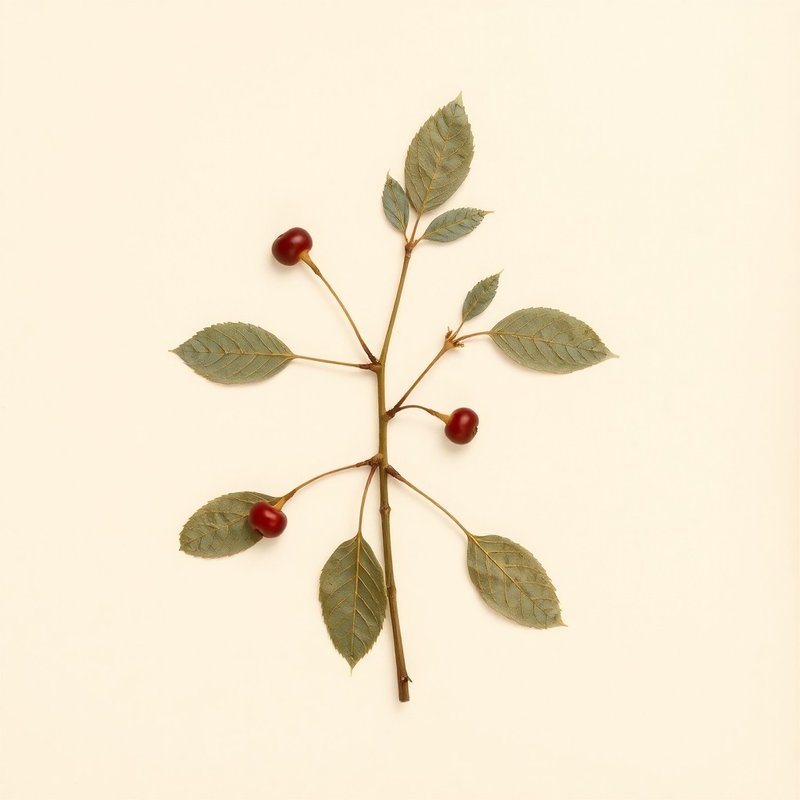
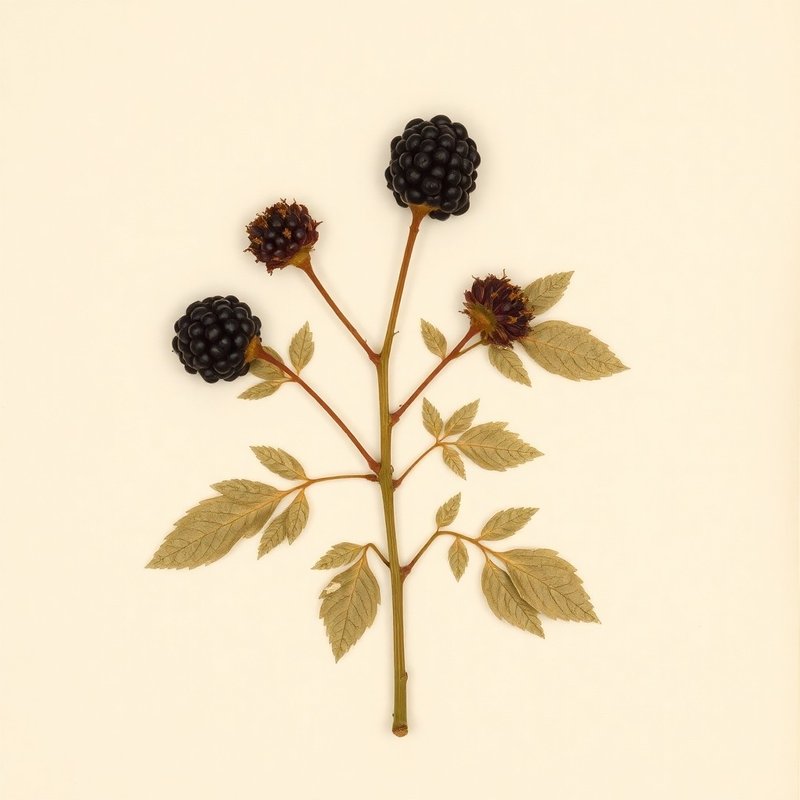
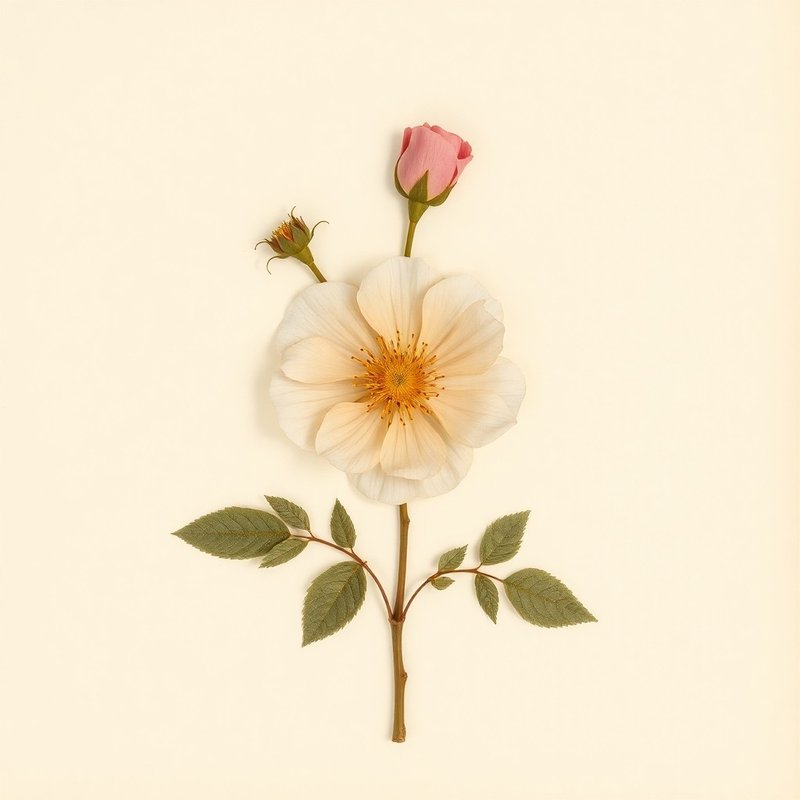
8 relatedPlants you might compare or use together — scored by shared family (Rosaceae), common use cases, and growing requirements.
Explore further
About this entry
- Last updated
- Citation
- How to cite this entry · Submit a correction
Continue reading
Get archive updates
Occasional email when substantial new content lands — plant profiles, seasonal growing notes, folk-remedy additions. Free, no tracking, unsubscribe anytime.