
Canistel
Pouteria campechiana
Educational content — not medical, botanical, or professional advice. Plant identification, safety, and edibility depend on local conditions, cultivars, and correct identification. Consult a qualified botanist or forager before consuming or handling wild specimens. How we source & review →
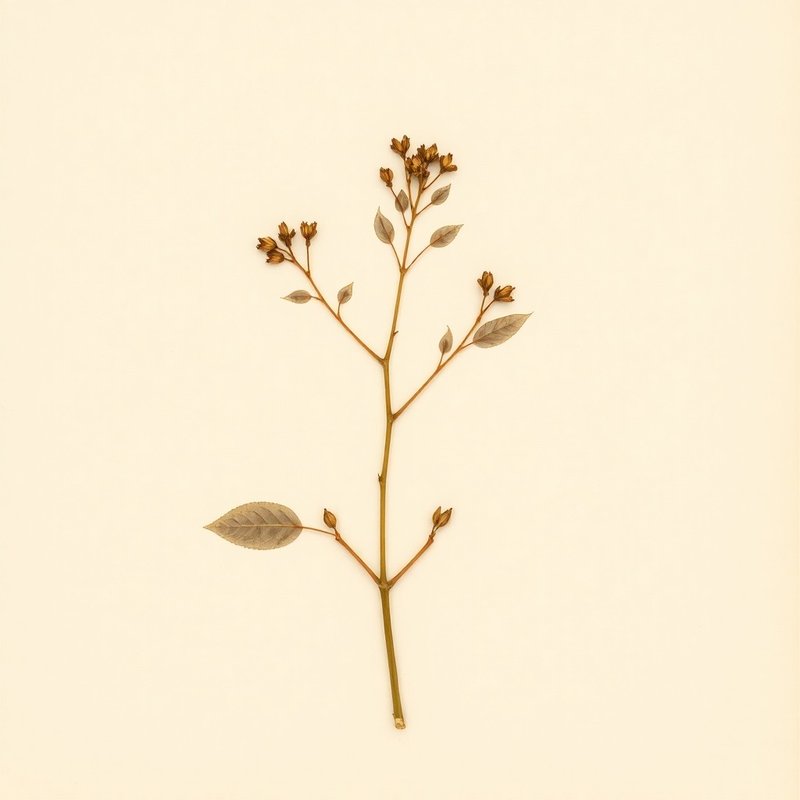
Pl. C2D4 — Pouteria campechiana
Pouteria campechianaPouteria campechianaPouteria campechianaPouteria campechianaPouteria campechianaPouteria campechianaPouteria campechianaPouteria campechianaPouteria campechianaPouteria campechianaPouteria campechianaPouteria campechianaPouteria campechianaPouteria campechiana
IOverview
Overview
Canistel, scientifically known as Pouteria campechiana, is a tree native to the Central American region including Belize, Costa Rica, El Salvador, Guatemala, Honduras, and specific areas of Mexico such as the Gulf Coast, Northeast, Northwest, Southeast, and Southwest regions. This versatile plant thrives in full sun with a preference for dry to moist soil types ranging from light (sandy) to heavy (clay), making it adaptable to various environments. Standing up to 15 meters tall, canistel is valued primarily for its edible fruit, which serves as a nutritious and flavorful addition to the local diet.
Quick answers
What is Canistel?
Canistel, scientifically known as Pouteria campechiana, is a tree native to the Central American region including Belize, Costa Rica, El Salvador, Guatemala, Honduras, and specific areas of Mexico such as the Gulf Coast, Northeast, Northwest, Southeast, and Southwest regions.
Growingconditions · propagation · uses
VCultivation
Cultivation
Canistel thrives in full sun and is adaptable to various soil types, including light (sandy), medium, and heavy (clay). It prefers a dry to moist environment but can tolerate wet conditions as well. This tree grows best in USDA Hardiness Zones 10-12, making it suitable for tropical climates. Canistel can reach heights of up to 15 meters, so ample space is necessary. Regular watering is essential during the growing season, but ensure good drainage to prevent waterlogging. For propagation, use seed or grafting methods.
Light
Full sun
Water
Dry, Moist, Wet
Soil
Light (sandy), Medium, Heavy (clay)
Hardiness
10-12
Habit
Tree
Mature size
15.0 m tall
For first-time growers
How to grow Canistel for the first time
7steps
Start with a simple, sunny spot and basic care for your Canistel tree.
- 1
What you'll need
A young Canistel sapling, well-draining soil, and a large pot or garden space.
- 2
Best time to plant
Plant in spring when the last frost has passed.
- 3
Soil and container prep
Use a mix of light sandy soil with some organic matter. Ensure good drainage for potted plants.
- 4
Sowing or transplanting
Transplant your sapling to its permanent spot, ensuring it has plenty of room to grow.
- 5
First two weeks
Water regularly but avoid overwatering. Keep the soil moist but not soggy.
- 6
Ongoing care
Provide full sun and regular watering, especially during dry periods. Fertilize lightly in spring and summer.
- 7
Harvest or pruning
Prune to shape the tree and remove dead branches. Harvest fruit when it turns a bright orange-yellow.
VIEdible & utility
Edible & utility
Edible parts:Fruit
Edible uses: The canistel fruit is the primary edible part of this tree. It is typically eaten fresh and raw, offering a sweet and custard-like texture. Occasionally, the fruit is used in cooking or baking to add flavor and thickness to dishes. Skip the preparation details for now.
Other uses:textilesLumber
Contextrange · companions · related
VIIDistribution
13 native · 6 introduced
Distribution
13 native · 6 introducedDistribution across2 continents· 13 native· 6 introduced
Asia1 region
introduced (1)Cambodia
Americas9 regions
native (6)BelizeCosta RicaEl SalvadorGuatemalaHondurasNicaragua
introduced (3)BahamasCubaPuerto Rico
Broader regions
native:Mexico Northwest, Mexico Southeast, Mexico Southwest, Panamá, Mexico Central, Mexico Gulf, Mexico Northeast
introduced:Cayman Is., Florida
IXSpecimen gallery
1 image
Specimen gallery
1 imageXI
Explore further
Companion planting
Growing zone
XII
About this entry
- Last updated
- Citation
- How to cite this entry · Submit a correction
Back to the cataloguePlant id · c2d4e34b-de0c-44a8-8536-b9fe2fab6655
Decision aid
Choosing between Canistel and something else?
Continue reading
❦❦❦❦
Endpaper · archive updates
Get archive updates
Occasional email when substantial new content lands — plant profiles, seasonal growing notes, folk-remedy additions. Free, no tracking, unsubscribe anytime.