
Pringlea antiscorbutica
Pringlea antiscorbutica
Educational content — not medical, botanical, or professional advice. Plant identification, safety, and edibility depend on local conditions, cultivars, and correct identification. Consult a qualified botanist or forager before consuming or handling wild specimens. How we source & review →
edibleedible
Garden journal pausedUse profile notes below
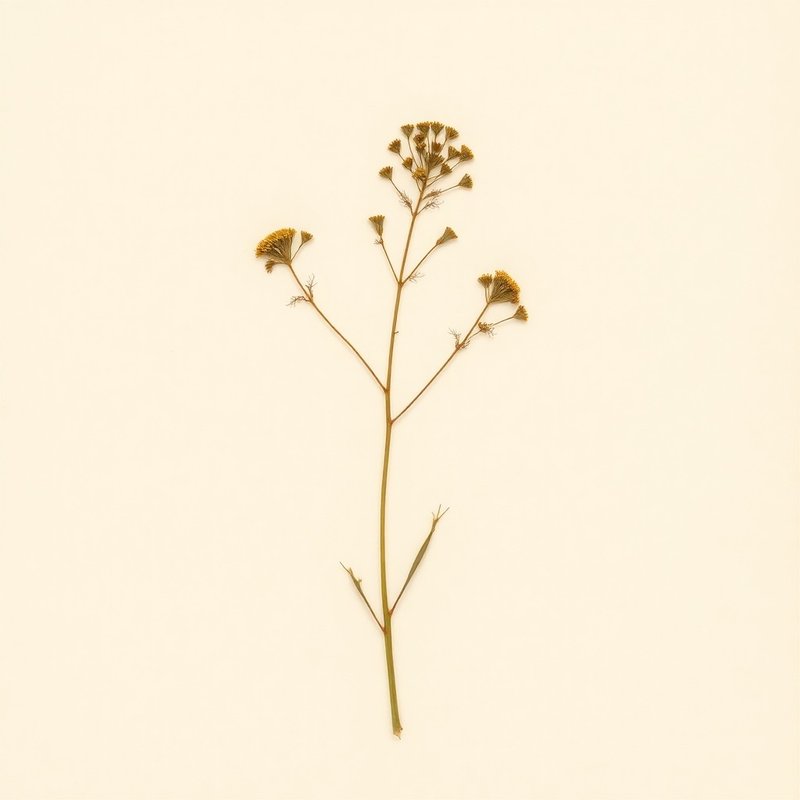
Pl. 8F35 — Pringlea antiscorbutica
Pringlea antiscorbuticaPringlea antiscorbuticaPringlea antiscorbuticaPringlea antiscorbuticaPringlea antiscorbuticaPringlea antiscorbuticaPringlea antiscorbuticaPringlea antiscorbuticaPringlea antiscorbuticaPringlea antiscorbuticaPringlea antiscorbuticaPringlea antiscorbuticaPringlea antiscorbuticaPringlea antiscorbutica
IOverview
Overview
Pringlea antiscorbutica, commonly known as Kerguelen cabbage or elephant garlic, is a distinctive evergreen shrub native to several subantarctic islands including the Crozet Islands, Heard-McDonald Islands, Kerguelen, and Marion-Prince Edward. This hardy plant thrives in moist environments with light to partial sun exposure, making it well-suited for its rugged habitat. The leaves of Pringlea antiscorbutica are particularly notable; they are rich in vitamin C and were crucial during expeditions as a source of sustenance that helped prevent scurvy. The large, broad leaves and robust growth make this plant an ornamental addition to gardens with similar climatic conditions. In cultivation, Pringlea antiscorbutica thrives in soil types ranging from light (sandy) to medium or heavy (clay), and requires consistent moisture while tolerating both full sun and partial shade. Its native range across the subantarctic islands highlights its adaptability to harsh environments, making it a valuable plant for gardens seeking to replicate such conditions. The edible leaves can be harvested for use as a condiment, adding a unique flavor to dishes.
Quick answers
What is Pringlea antiscorbutica?
Pringlea antiscorbutica, commonly known as Kerguelen cabbage or elephant garlic, is a distinctive evergreen shrub native to several subantarctic islands including the Crozet Islands, Heard-McDonald Islands, Kerguelen, and Marion-Prince Edward.
Growingconditions · propagation · uses
VCultivation
Cultivation
Pringlea antiscorbutica thrives in full to partial sunlight and prefers moist soil that can be light (sandy), medium, or heavy (clay). The plant is hardy in temperate regions and is native to the Crozet Islands, Heard-McDonald Islands, Kerguelen, and Marion-Prince Edward. For cultivation, ensure the soil remains consistently moist while providing ample sunlight; partial shade can also be suitable. Harvest its edible leaves for use.
Light
Full sun, Partial sun/shade
Water
Moist
Soil
Light (sandy), Medium, Heavy (clay)
For first-time growers
How to grow Pringlea antiscorbutica for the first time
8steps
Start with Pringlea antiscorbutica as a simple, low-maintenance plant for your garden.
- 1
What you'll need
A small Pringlea antiscorbutica plant or seeds, potting soil, and a container if planting in a pot.
- 2
Best time to plant
Plant in spring when the last frost has passed, ensuring temperatures are consistently above freezing.
- 3
Soil and container prep
Use well-draining soil with a mix of light (sandy), medium, or heavy clay. Ensure containers have drainage holes.
- 4
Sowing or transplanting
Transplant young plants from nursery pots directly into the garden or start seeds indoors 4-6 weeks before planting outside.
- 5
First two weeks
Water regularly to keep soil moist but not waterlogged. Place in a sunny spot, ensuring it gets full sun to partial shade.
- 6
Ongoing care
Provide consistent moisture and light. Prune occasionally to maintain shape and remove dead leaves.
- 7
Harvest or pruning
Prune as needed for maintenance, focusing on removing dead or damaged parts. Leaves can be harvested but are not commonly done.
- 8
Common mistakes
Overwatering, planting in heavy shade, and neglecting to prune regularly.
VIEdible & utility
Edible & utility
Edible parts:Leaves
Edible uses: Condiment
Contextrange · companions · related
VIIDistribution
4 native · 0 introduced
Distribution
4 native · 0 introducedDistribution across0 continents· 4 native
Broader regions
native:Crozet Is., Heard-McDonald Is., Kerguelen, Marion-Prince Edward
IXSpecimen gallery
1 image
Specimen gallery
1 imageXI
Explore further
Companion planting
XII
About this entry
- Last updated
- Citation
- How to cite this entry · Submit a correction
Back to the cataloguePlant id · 8f353ea3-4a42-44a9-9026-f4918c3da312
Decision aid
Choosing between Pringlea antiscorbutica and something else?
Continue reading
❦❦❦❦
Endpaper · archive updates
Get archive updates
Occasional email when substantial new content lands — plant profiles, seasonal growing notes, folk-remedy additions. Free, no tracking, unsubscribe anytime.
Newsletter returning soon.
We are rebuilding the update list around a lightweight editorial workflow. New dispatches will resume after the next content review cycle.