
Sweet Unicorn Plant
Proboscidea fragrans
Educational content — not medical, botanical, or professional advice. Always consult a qualified clinician before using any herbal preparation — especially during pregnancy, breastfeeding, while on medication, or for children. How we source & review →
Garden journal pausedUse profile notes below
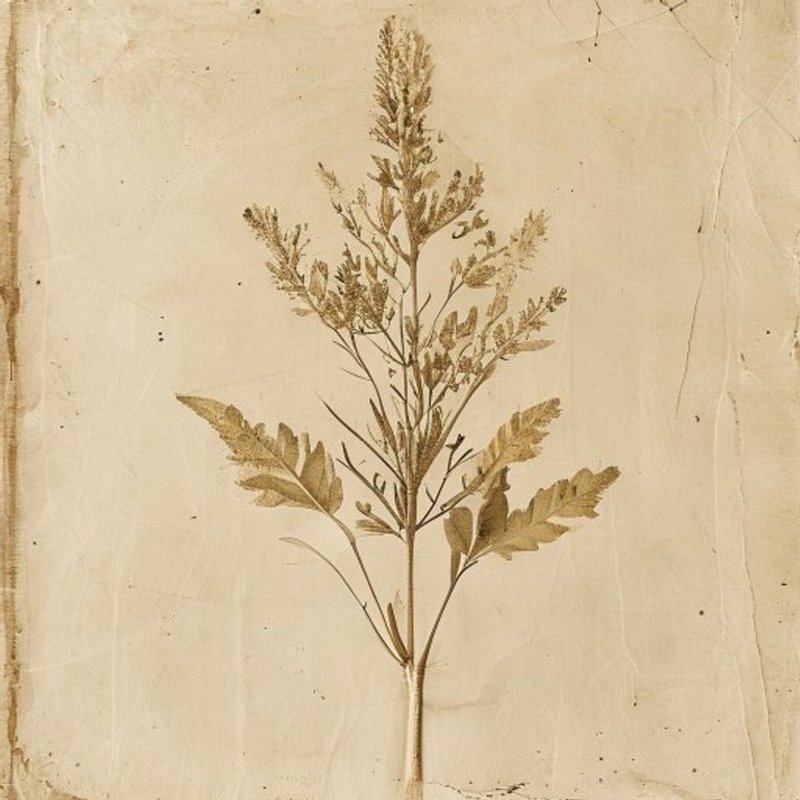
Pl. 2AE5 — Proboscidea fragrans
Proboscidea fragransProboscidea fragransProboscidea fragransProboscidea fragransProboscidea fragransProboscidea fragransProboscidea fragransProboscidea fragransProboscidea fragransProboscidea fragransProboscidea fragransProboscidea fragransProboscidea fragransProboscidea fragrans
IOverview
Overview
Sweet Unicorn Plant (Proboscidea fragrans) is an annual herb native to the arid regions of Mexico Northeast, Southwest, and Texas. This plant, belonging to the Martyniaceae family, thrives in light, medium, or heavy soil types and requires moist conditions, particularly in full sun. Growing to a height of about 0.6 meters, it is recognized for its distinctive appearance, making it a valuable ornamental addition to gardens. Edible parts of the Sweet Unicorn Plant include its leaves, seeds, and seedpods. The leaves can be consumed fresh in salads or cooked as a green vegetable, while the seeds and seedpods can be harvested and used in various dishes, either raw or cooked. These parts add a unique flavor to meals, making the plant a versatile food source. The plant is also known for its medicinal properties, although caution is advised when using it for any health purposes. Its documented use in traditional practices highlights its significance in local ecosystems and cultural contexts. Sweet Unicorn Plant has been introduced into the Cape Provinces and Free State regions, expanding its range and utility. Its adaptability and ornamental value, combined with its edible and medicinal uses, make it a noteworthy addition to gardens and landscapes in suitable growing conditions.
Quick answers
What is Sweet Unicorn Plant?
Sweet Unicorn Plant (Proboscidea fragrans) is an annual herb native to the arid regions of Mexico Northeast, Southwest, and Texas. This plant, belonging to the Martyniaceae family, thrives in light, medium, or heavy soil types and requires moist conditions, particularly in full sun.
IV·bMixology suggestions
2 drafts
Mixology suggestions
2 draftsEditorial drafts. These pairings are AI-suggested from traditional herbal lore. Always verify with a qualified herbalist before brewing.
Digestive Harmony
digestiontincture
Historical use for digestive support.
Growingconditions · propagation · uses
VCultivation
Cultivation
Sweet Unicorn Plant thrives in full sun and requires moist soil that can be light (sandy), medium, or heavy (clay). It is hardy in zones 9-11 and grows to a height of about 0.6 meters as an annual forb/herb. For cultivation, ensure the soil remains consistently moist while providing ample sunlight. Propagation can be done through seeds. Enjoy its edible leaves, seeds, and seedpods.
Light
Full sun
Water
Moist
Soil
Light (sandy), Medium, Heavy (clay)
Hardiness
9-11
Life cycle
Annual
Habit
Forb/herb
Mature size
0.6 m tall
For first-time growers
How to grow Sweet Unicorn Plant for the first time
7steps
Start with a simple, sunny spot and basic soil to grow your Sweet Unicorn Plant.
- 1
What you'll need
Seeds or seedlings, potting mix, containers or garden space.
- 2
Best time to plant
Plant in spring after the last frost when temperatures are warm.
- 3
Soil and container prep
Use well-draining soil with a pH between 6.0 and 7.5 for containers or garden beds.
- 4
Sowing or transplanting
Direct sow seeds in the ground or start seedlings indoors about 4 weeks before planting outside.
- 5
First two weeks
Water regularly to keep soil moist but not waterlogged. Place in a sunny spot.
- 6
Ongoing care
Provide full sun and regular watering, especially during dry spells. Fertilize lightly every few months.
- 7
Harvest or pruning
Prune occasionally to maintain shape and remove dead leaves. Harvest leaves and seedpods as needed for use in cooking.
VIEdible & utility
Edible & utility
Edible parts:LeavesSeedSeedpod
Edible uses: The Sweet Unicorn Plant is edible and its leaves, seeds, and seedpods can be consumed. The leaves are often eaten fresh in salads or cooked as a green vegetable. Seeds and seedpods can be harvested and used in various dishes, either raw or cooked. They add a unique flavor to meals when prepared.
Other uses:Weaving material
Contextrange · companions · related
VIIDistribution
3 native · 2 introduced
Distribution
3 native · 2 introducedDistribution across0 continents· 3 native· 2 introduced
Broader regions
native:Mexico Northeast, Mexico Southwest, Texas
introduced:Cape Provinces, Free State
IXSpecimen gallery
1 image
Specimen gallery
1 imageXI
Explore further
Companion planting
Growing zone
XII
About this entry
- Last updated
- Citation
- How to cite this entry · Submit a correction
Back to the cataloguePlant id · 2ae5c122-fa1c-47cd-8670-1b25d9a95988
Decision aid
Choosing between Sweet Unicorn Plant and something else?
Continue reading
❦❦❦❦
Endpaper · archive updates
Get archive updates
Occasional email when substantial new content lands — plant profiles, seasonal growing notes, folk-remedy additions. Free, no tracking, unsubscribe anytime.
Newsletter returning soon.
We are rebuilding the update list around a lightweight editorial workflow. New dispatches will resume after the next content review cycle.