
Pau Carvão Mesquite Iron tree
Prosopis africana
Educational content — not medical, botanical, or professional advice. Plant identification, safety, and edibility depend on local conditions, cultivars, and correct identification. Consult a qualified botanist or forager before consuming or handling wild specimens. How we source & review →
Garden journal pausedUse profile notes below
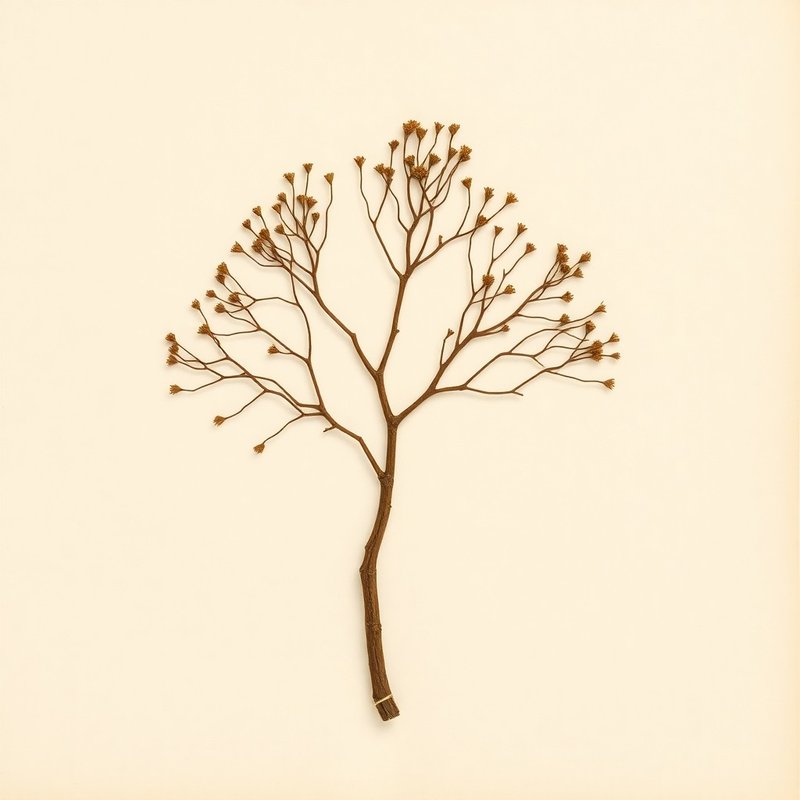
Pl. 7DD0 — Prosopis africana
Prosopis africanaProsopis africanaProsopis africanaProsopis africanaProsopis africanaProsopis africanaProsopis africanaProsopis africanaProsopis africanaProsopis africanaProsopis africanaProsopis africanaProsopis africanaProsopis africana
IOverview
Overview
Pau Carvão Mesquite Iron tree, Prosopis africana, is a member of the legume family, Fabaceae, and grows as a deciduous shrub or small tree. It is a slow-growing species that typically reaches about 10 meters tall and occupies the tree layer of the vegetation where it occurs. Its native range is extensive, covering much of West and Central Africa, including Benin, Burkina Faso, Cameroon, the Central African Republic, Chad, Congo, Gambia, Ghana, Guinea, Guinea-Bissau, Ivory Coast, Mali, Mauritania, Niger, Nigeria, Senegal, Sierra Leone, Sudan, Togo, Uganda, and Zaïre. It also occurs in Saudi Arabia. Across this broad distribution the tree is a full-sun plant that favours moist conditions rather than drought, and it tolerates light sandy, medium, and heavy clay soils alike. The species is perhaps best known for its seeds, which are edible and can be eaten raw or cooked; they are commonly boiled to prepare a meal. The plant also has utility as animal feed, giving it value in farming and livestock contexts alongside its food use. It is hardy in zones 10 to 12. The seeds are the principal edible part documented for the tree and serve as the main practical cue for those who gather it. Although the tree belongs to a family known for diverse uses, the available data records no medicinal application for Prosopis africana, so no health claims are made here. Anyone handling the seeds should confirm the identity of the plant with care before using them.
Quick answers
What is Pau Carvão Mesquite Iron tree?
Pau Carvão Mesquite Iron tree, Prosopis africana, is a member of the legume family, Fabaceae, and grows as a deciduous shrub or small tree. It is a slow-growing species that typically reaches about 10 meters tall and occupies the tree layer of the vegetation where it occurs.
Growingconditions · propagation · uses
VCultivation
Cultivation
Pau Carvão Mesquite Iron tree (Prosopis africana) grows to roughly 10 m and performs best in full sun. It handles light sandy, medium, and heavy clay soils and prefers moist conditions. Native to Benin, Burkina, Cameroon, Central African Republic, Chad, Congo, Gambia, and Ghana, it also occurs across a much wider stretch of Africa. Hardiness is given as zones 10 to 12, so it suits warm climates. The edible part is the seed. The provided data does not name a propagation method, so that detail is unconfirmed here.
Light
Full sun
Water
Moist
Soil
Light (sandy), Medium, Heavy (clay)
Hardiness
10-12
Mature size
10.0 m tall
For first-time growers
How to grow Pau Carvão Mesquite Iron tree for the first time
8steps
Start with planting Pau Carvão Mesquite Iron tree in a sunny spot and follow these beginner-friendly steps.
- 1
What you'll need
A young plant or seed, a pot if container gardening, good quality soil.
- 2
Best time to plant
Plant in spring when the weather starts warming up.
- 3
Soil and container prep
Use well-draining soil. For containers, choose one that is at least 30 cm wide and deep.
- 4
Sowing or transplanting
Transplant a young plant carefully or sow seeds directly in the ground after the last frost.
- 5
First two weeks
Water regularly to keep soil moist but not waterlogged. Place in partial shade if direct sun is too harsh.
- 6
Ongoing care
Ensure full sun exposure, water when dry, and mulch around the base for moisture retention.
- 7
Harvest or pruning
Focus on pruning to maintain shape. Prune in late winter before new growth starts.
- 8
Common mistakes
Overwatering, planting in heavy soil, not providing enough sunlight.
VIEdible & utility
Edible & utility
Edible parts:Seed
Edible uses: The seeds of the Pau Carvão Mesquite Iron tree (Prosopis africana) are edible and can be eaten raw or cooked. They are often prepared by boiling to make a nutritious meal. Skip
Other uses:Animal feed
Contextrange · companions · related
VIIDistribution
22 native · 0 introduced
Distribution
22 native · 0 introducedDistribution across2 continents· 22 native
Asia1 region
native (1)Saudi Arabia
Africa18 regions
native (18)BeninBurkina FasoCameroonChadCôte d'IvoireGambiaGhanaGuineaGuinea-BissauMaliMauritaniaNigerNigeriaSenegalSierra LeoneSudanTogoUganda
Broader regions
native:Central African Repu, Congo, Zaïre
IXSpecimen gallery
1 image
Specimen gallery
1 imageXI
Explore further
Companion planting
Growing zone
XII
About this entry
- Last updated
- Citation
- How to cite this entry · Submit a correction
Back to the cataloguePlant id · 7dd0259a-be14-45e7-b171-e6865431f8bc
Decision aid
Choosing between Pau Carvão Mesquite Iron tree and something else?
Continue reading
❦❦❦❦
Endpaper · archive updates
Get archive updates
Occasional email when substantial new content lands — plant profiles, seasonal growing notes, folk-remedy additions. Free, no tracking, unsubscribe anytime.
Newsletter returning soon.
We are rebuilding the update list around a lightweight editorial workflow. New dispatches will resume after the next content review cycle.