
Prosopis juliflora
Prosopis juliflora
Educational content — not medical, botanical, or professional advice. Plant identification, safety, and edibility depend on local conditions, cultivars, and correct identification. Consult a qualified botanist or forager before consuming or handling wild specimens. How we source & review →
Garden journal pausedUse profile notes below
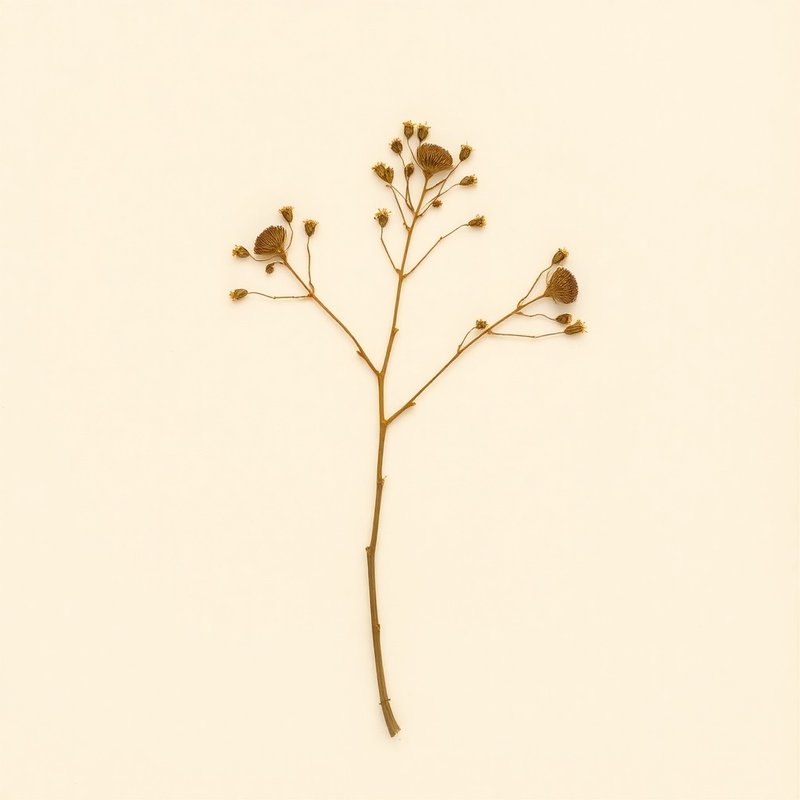
Pl. 27FE — Prosopis juliflora
Prosopis julifloraProsopis julifloraProsopis julifloraProsopis julifloraProsopis julifloraProsopis julifloraProsopis julifloraProsopis julifloraProsopis julifloraProsopis julifloraProsopis julifloraProsopis julifloraProsopis julifloraProsopis juliflora
IOverview
Overview
Prosopis juliflora, commonly known as mesquite or honey mesquite, is a tree or shrub native to Central and South America, including regions such as Aruba, Bahamas, Colombia, Costa Rica, Cuba, Dominican Republic, El Salvador, Guatemala, Haiti, Honduras, Mexico, Nicaragua, Panama, Peru, and Venezuela. This adaptable plant has been introduced to various other locations, including Andaman Islands, Ascension Island, Assam, Bangladesh, Benin, Burkina Faso, Canary Islands, Cape Verde, Chad, Eritrea, Hawaii, India, Iran, Iraq, Java, Madagascar, Mauritius, Myanmar, Nepal, New Guinea, Nicobar Islands, Niger, Nigeria, Oman, Pakistan, Philippines, Queensland, Réunion, Socotra, Somalia, South Australia, Sri Lanka, Sudan, Trinidad and Tobago, West Himalaya, and Yemen. Prosopis juliflora thrives in full sun with a preference for dry to moist conditions and grows well in light (sandy) and medium soil types. Hardy from zones 7-12, it can reach heights of up to 10 meters. The plant is known for its multiple uses, including adhesive, fire starter, dye, fencing, fiber, lumber, gum, textiles, resin, wind breaker, soil reclamation, erosion control, tannin, and coppice. Its nitrogen-fixing abilities also make it valuable in reforestation efforts. Edible parts of Prosopis juliflora include flowers, inner bark, root, seed, and seedpod. The plant's seeds can be used as a sweetener and for making tea or gum. However, caution is advised when consuming any part of the plant, as it may have potential weed characteristics in some areas.
Quick answers
What is Prosopis juliflora?
Prosopis juliflora, commonly known as mesquite or honey mesquite, is a tree or shrub native to Central and South America, including regions such as Aruba, Bahamas, Colombia, Costa Rica, Cuba, Dominican Republic, El Salvador, Guatemala, Haiti, Honduras, Mexico, Nicaragua, Panama, Peru, and Venezuela.
Growingconditions · propagation · uses
VCultivation
Cultivation
Prosopis juliflora thrives in full sun and prefers well-draining soil that can be light (sandy) or medium. It is drought-tolerant but will also grow in moist conditions. This tree or shrub reaches a height of 10 meters and is hardy in zones 7-12, making it suitable for temperate regions. Propagation can occur through seeds. The plant is edible, with parts such as flowers, inner bark, roots, seeds, and seedpods being consumable.
Light
Full sun
Water
Dry, Moist
Soil
Light (sandy), Medium
Hardiness
7-12
Habit
Tree, Shrub
Mature size
10.0 m tall
For first-time growers
How to grow Prosopis juliflora for the first time
8steps
Start with Prosopis juliflora as a simple, low-maintenance tree for beginners.
- 1
What you'll need
A young Prosopis juliflora plant or seeds, a pot if planting in containers, and basic gardening tools.
- 2
Best time to plant
Plant in spring when the weather is warming up and there's no risk of frost.
- 3
Soil and container prep
Use well-draining soil with a mix of sand and loam. Ensure containers have drainage holes if planting outdoors.
- 4
Sowing or transplanting
Transplant young plants carefully, ensuring the root ball is intact. For seeds, sow them in moist, well-draining soil and cover lightly.
- 5
First two weeks
Water regularly to keep the soil consistently moist but not waterlogged. Place in a sunny spot to encourage growth.
- 6
Ongoing care
Provide full sun exposure and minimal watering once established, as it prefers dry conditions. Prune lightly to maintain shape.
- 7
Harvest or pruning
Prune during the dormant season to remove dead branches and shape the tree. Flowers can be harvested for culinary use.
- 8
Common mistakes
Overwatering, planting in heavy soil, and not providing enough sunlight are common issues beginners should avoid.
VIEdible & utility
Edible & utility
Edible parts:FlowersInner barkRootSeedSeedpod
Edible uses: Drink, Gum, Sweetener, Tea
Other uses:AdhesiveFire starterDyeFencingFiberLumberGumtextilesResinWind breakerSoil reclamationErosion controlTanninCoppiceNitrogen fixer
Contextrange · companions · related
VIIDistribution
24 native · 36 introduced
Distribution
24 native · 36 introducedDistribution across4 continents· 24 native· 36 introduced
Europe1 region
introduced (1)Spain
Asia11 regions
introduced (11)BangladeshIndiaIranIraqMyanmarNepalOmanPakistanPhilippinesSri LankaYemen
Americas13 regions
native (12)BahamasColombiaCosta RicaCubaDominican RepublicEl SalvadorGuatemalaHaitiHondurasNicaraguaPeruVenezuela
introduced (1)United States
Africa11 regions
introduced (11)BeninBurkina FasoCabo VerdeChadEritreaMadagascarMauritiusNigerNigeriaSomaliaSudan
Broader regions
native:Aruba, Leeward Is., Mexico Central, Mexico Gulf, Mexico Northeast, Mexico Northwest, Mexico Southeast, Mexico Southwest, Netherlands Antilles, Panamá, Venezuelan Antilles, Windward Is.
introduced:Andaman Is., Ascension, Jawa, New Guinea, Nicobar Is., Queensland, Réunion, Socotra, South Australia, Trinidad-Tobago, West Himalaya
IXSpecimen gallery
1 image
Specimen gallery
1 imageXI
Explore further
Companion planting
Growing zone
XII
About this entry
- Last updated
- Citation
- How to cite this entry · Submit a correction
Back to the cataloguePlant id · 27fe0954-8f20-4749-9d7b-f487310c376c
Decision aid
Choosing between Prosopis juliflora and something else?
Continue reading
❦❦❦❦
Endpaper · archive updates
Get archive updates
Occasional email when substantial new content lands — plant profiles, seasonal growing notes, folk-remedy additions. Free, no tracking, unsubscribe anytime.
Newsletter returning soon.
We are rebuilding the update list around a lightweight editorial workflow. New dispatches will resume after the next content review cycle.