
Dawyck Cherry
IOverview
Overview
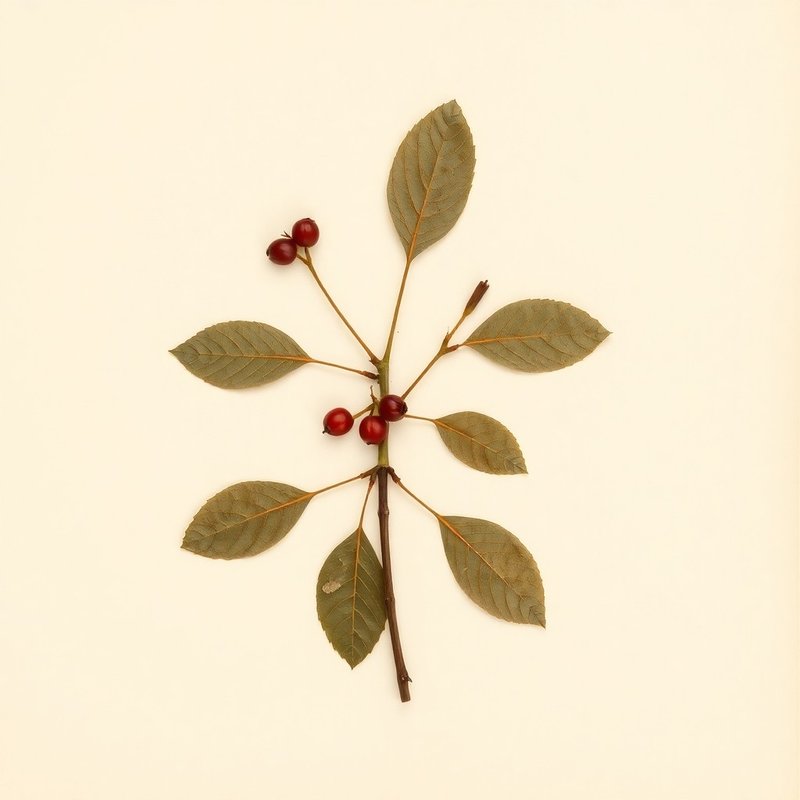
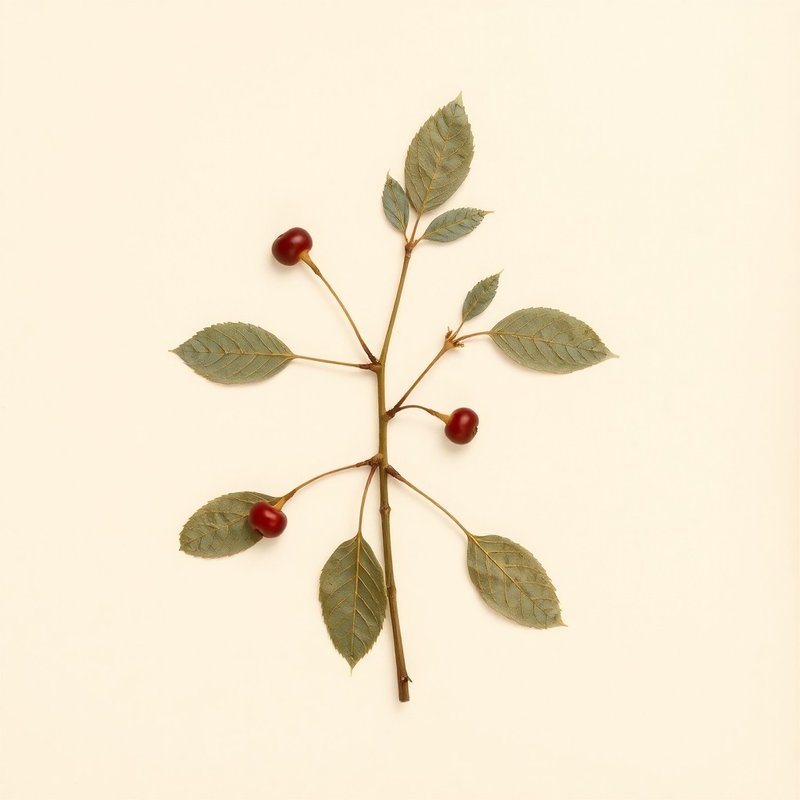
Dawyck Cherry (Prunus dawyckensis) is a deciduous tree belonging to the Rosaceae family and is native to China's south-central region. This cherry variety thrives in light or partial sun with moist soil that can be either sandy, medium, or clay-like, making it adaptable to various conditions. Known for its edible fruit and seeds, as well as documented medicinal uses, Dawyck Cherry is a versatile plant both in the garden and for traditional remedies. The tree can grow up to 9 meters tall, adding a substantial presence in any landscape while providing valuable resources such as fruit and potential health benefits through its various parts. The fruit of the Dawyck Cherry can be eaten raw or cooked, and the seeds are also usable but should be handled with caution as they contain cyanide compounds. Typically, the fruit is enjoyed fresh for its sweet taste or used in jams and preserves. The tree's adaptability and ornamental value make it a desirable addition to gardens and landscapes. While the plant has medicinal uses, it is important to handle its parts with care, especially the seeds, due to the presence of cyanide compounds.
What is Dawyck Cherry?
Dawyck Cherry (Prunus dawyckensis) is a deciduous tree belonging to the Rosaceae family and is native to China's south-central region. This cherry variety thrives in light or partial sun with moist soil that can be either sandy, medium, or clay-like, making it adaptable to various conditions.
IV·bMixology suggestions
1 draft
Mixology suggestions
1 draftVCultivation
Cultivation
How to grow Dawyck Cherry for the first time
Start with a Dawyck Cherry by planting it in the right conditions and providing basic care.
- 1
What you'll need
A Dawyck Cherry sapling, well-draining soil, mulch, and watering can.
- 2
Best time to plant
Plant in early spring or late fall when the ground is workable but not frozen.
- 3
Soil and container prep
Ensure the soil is light (sandy), medium, or heavy with good drainage. Amend as needed for pH balance.
- 4
Sowing or transplanting
Transplant a sapling from a nursery pot to your garden bed, ensuring it has enough space to grow.
- 5
First two weeks
Water the plant regularly to keep the soil moist but not waterlogged. Monitor for any signs of stress.
- 6
Ongoing care
Provide full sun or partial shade, and water when the top inch of soil feels dry. Prune lightly in late winter.
- 7
Harvest or pruning
Prune the plant to maintain shape and remove any dead or diseased branches. Harvest fruit after it ripens.
- 8
Common mistakes
Overwatering, planting in heavy clay soil, not providing enough sunlight, and neglecting winter protection.
VIEdible & utility
Edible & utility
VIIDistribution
1 native · 0 introduced
Distribution
1 native · 0 introducedIXSpecimen gallery
1 image
Specimen gallery
1 imageXSee also
8 related
See also
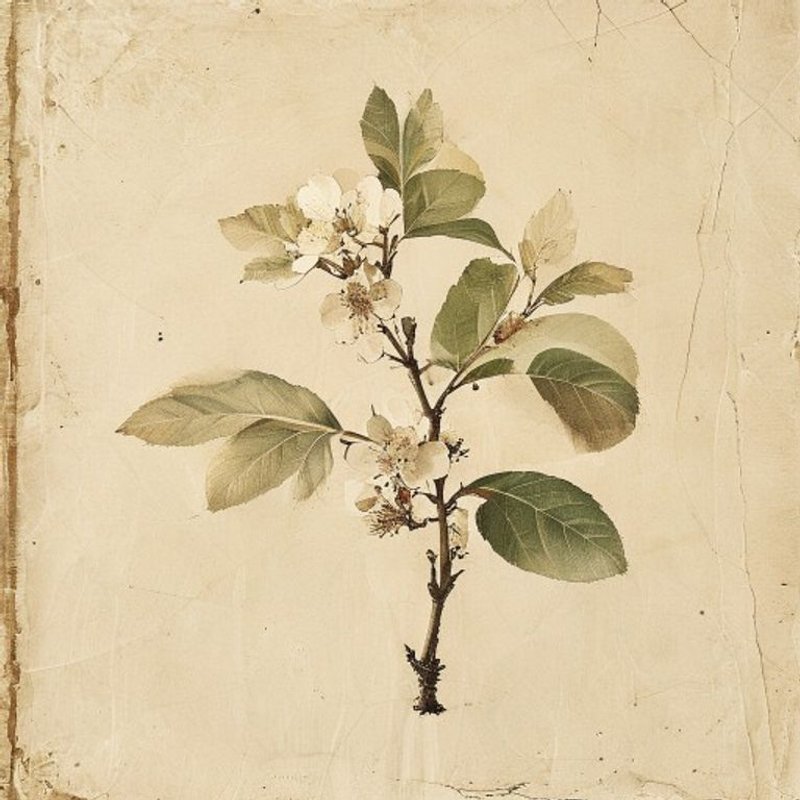
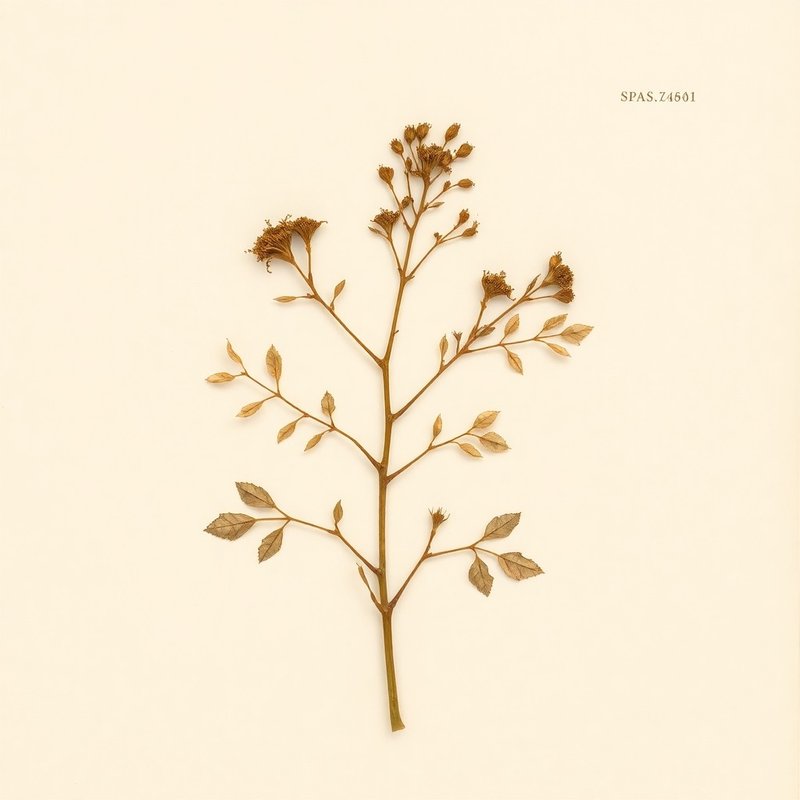
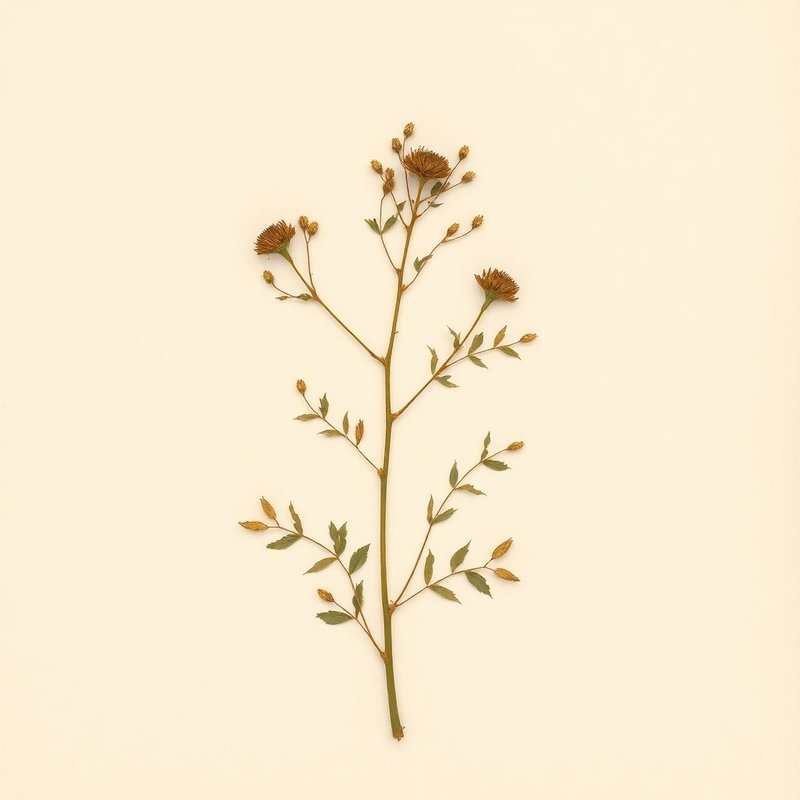
8 relatedPlants you might compare or use together — scored by shared family (Rosaceae), common use cases, and growing requirements.


Explore further
About this entry
- Last updated
- Citation
- How to cite this entry · Submit a correction
Continue reading
Get archive updates
Occasional email when substantial new content lands — plant profiles, seasonal growing notes, folk-remedy additions. Free, no tracking, unsubscribe anytime.