
Prunus napaulensis
IOverview
Overview
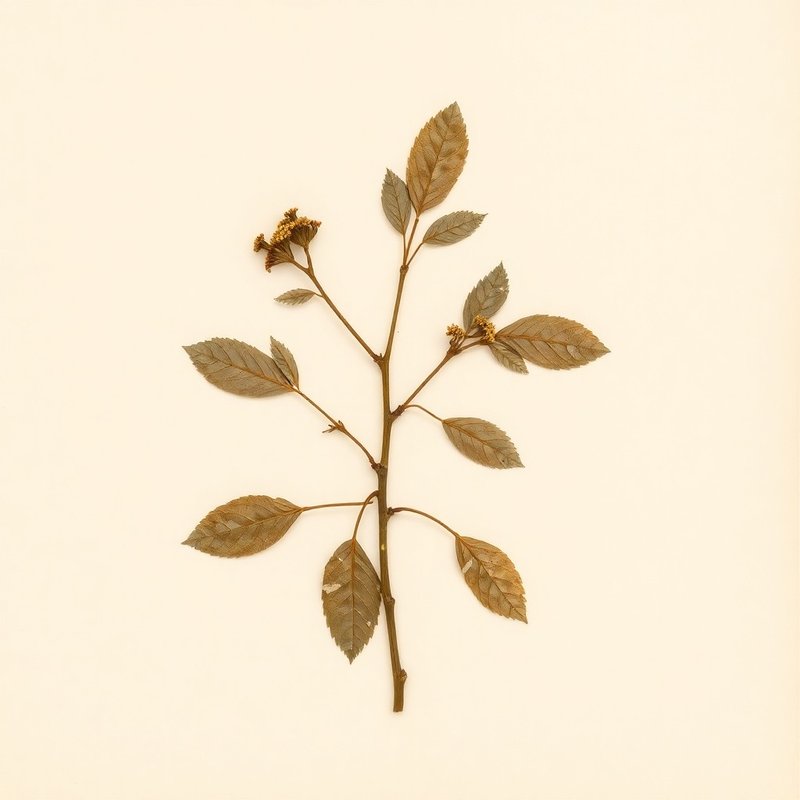
Prunus napaulensis, a member of the Rosaceae family, is a tall tree native to the forests of Assam, China, Myanmar, Nepal, and the Himalayan regions. This plant thrives in moist, well-drained soil types, ranging from light (sandy) to heavy (clay), and can grow up to 20 meters tall. It prefers full or partial sun, making it adaptable to various light environments within its native range of hardiness zones 6-9. The fruit of Prunus napaulensis is edible and can be eaten raw or used in various preparations, though the seed, while part of the plant, is not typically consumed due to potential toxicity. The fruit may also be dried for later use, adding versatility to its culinary applications. In addition to its edible uses, Prunus napaulensis has medicinal properties, making it valuable in traditional medicine practices. While the plant is not typically cultivated for medicinal purposes, its adaptability and multiple uses make it a significant species in botanical gardens and traditional medicine contexts. One distinctive feature of this plant is its ability to grow in diverse soil conditions, enhancing its adaptability across different habitats. Given its native range across various temperate regions, Prunus napaulensis is adaptable to similar climates but may require protection from extreme cold or heat in less suitable zones. For cultivation, ensure the soil remains consistently moist, as this species requires adequate water. Propagation can be done through seed, and it thrives in environments with light (sandy), medium, or heavy (clay) soil types. While the plant is not typically recommended for medicinal use, it is important to exercise caution when handling any part of the plant, especially the seed, due to potential toxicity.
What is Prunus napaulensis?
Prunus napaulensis, a member of the Rosaceae family, is a tall tree native to the forests of Assam, China, Myanmar, Nepal, and the Himalayan regions. This plant thrives in moist, well-drained soil types, ranging from light (sandy) to heavy (clay), and can grow up to 20 meters tall.
IV·bMixology suggestions
2 drafts
Mixology suggestions
2 draftsVCultivation
Cultivation
How to grow Prunus napaulensis for the first time
Start with a simple planting of Prunus napaulensis to gain experience in caring for this tree.
- 1
What you'll need
A young Prunus napaulensis sapling, well-draining soil, and a large container or garden space.
- 2
Best time to plant
Plant in spring when the ground is workable but not too wet.
- 3
Soil and container prep
Ensure the soil is light (sandy), medium, or heavy with good drainage. Amend as needed for your local conditions.
- 4
Sowing or transplanting
Transplant a young sapling from a nursery pot into your prepared garden bed or large container.
- 5
First two weeks
Water regularly to keep the soil moist but not waterlogged. Monitor for pests and diseases.
- 6
Ongoing care
Provide full sun to partial shade, regular watering, and occasional pruning to maintain shape.
- 7
Harvest or pruning
Prune in late winter before new growth starts to encourage a healthy structure. Harvest fruit when ripe.
- 8
Common mistakes
Overwatering, planting in heavy clay soil without amending, and not providing enough sunlight are common issues.
VIEdible & utility
Edible & utility
VIIDistribution
8 native · 0 introduced
Distribution
8 native · 0 introducedIXSpecimen gallery
1 image
Specimen gallery
1 imageXSee also
8 related
See also
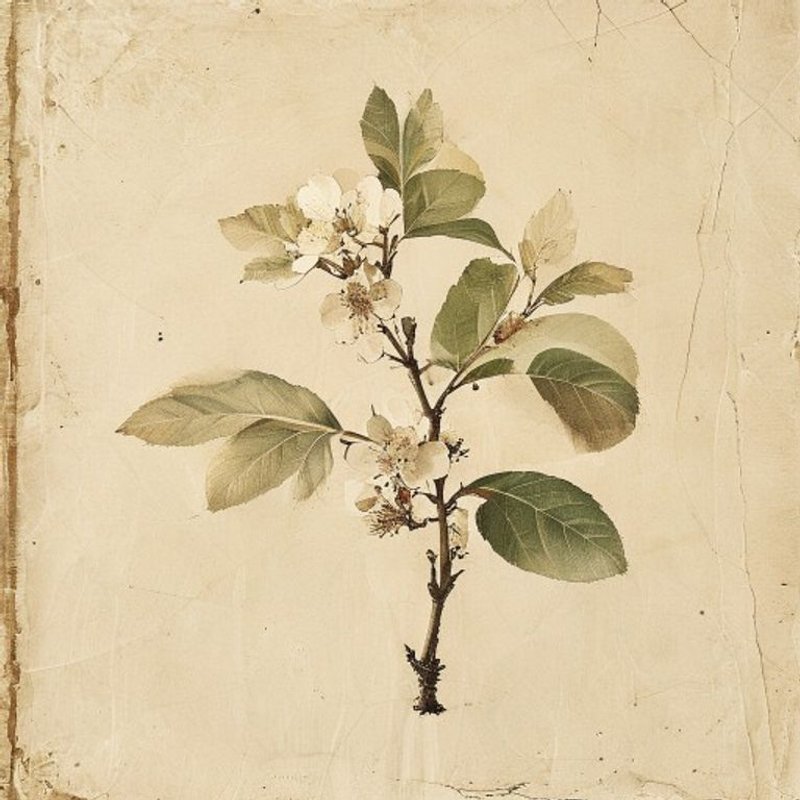
8 relatedPlants you might compare or use together — scored by shared family (Rosaceae), common use cases, and growing requirements.


Explore further
About this entry
- Last updated
- Citation
- How to cite this entry · Submit a correction
Continue reading
Get archive updates
Occasional email when substantial new content lands — plant profiles, seasonal growing notes, folk-remedy additions. Free, no tracking, unsubscribe anytime.