
Japanese Plum
IOverview
Overview
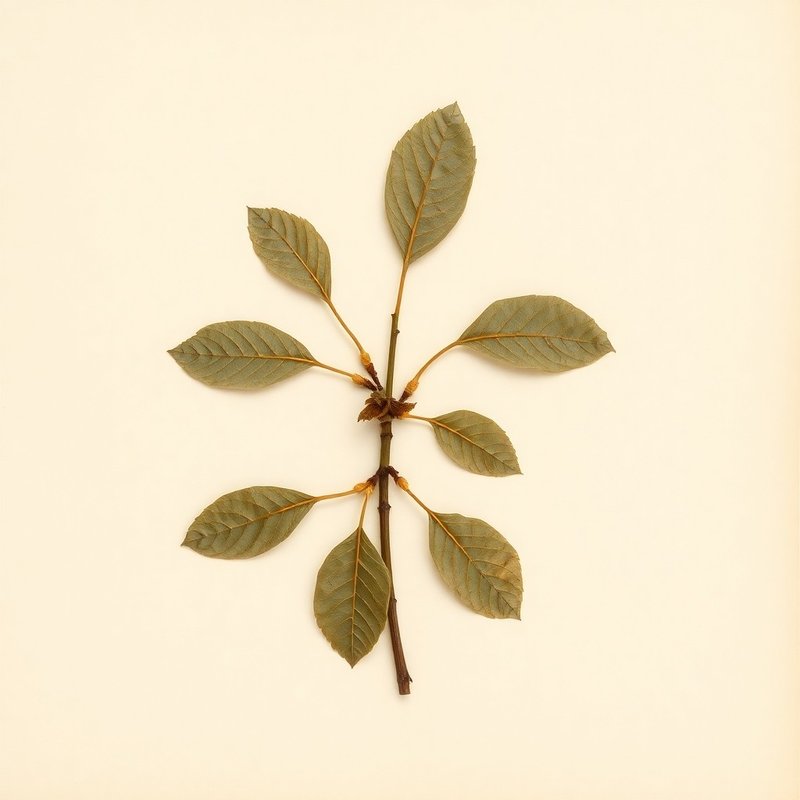
Japanese Plum (Prunus salicina), a member of the Rosaceae family, is native to regions in China, including North-Central, South-Central, and Southeastern areas, as well as parts of Khabarovsk, Manchuria, Primorye, Taiwan, and Vietnam. This deciduous tree thrives in a variety of soil types, including light (sandy), medium, and heavy (clay) soils, and prefers moist conditions, making it adaptable to different growing environments. It is hardy in USDA zones 5-8, suitable for cultivation in temperate regions. The Japanese Plum is both edible and medicinal. Its fruit is commonly eaten raw or used in various culinary preparations, while its seeds can also be utilized but are typically not consumed directly due to their bitter taste and potential toxicity when ingested in large quantities. The tree can grow well in light to partial sun, with some varieties thriving in full sun. Its versatility in soil and light conditions makes it a valuable addition to gardens and landscapes. In addition to its culinary and medicinal uses, the Japanese Plum has practical applications such as dyeing and espaliering. It has been introduced into Japan, Korea, New South Wales, and parts of Central Asia, including Tadzhikistan, Turkmenistan, and Uzbekistan. This plant's adaptability and ornamental value make it a noteworthy species in horticulture and landscaping.
What is Japanese Plum?
Japanese Plum (Prunus salicina), a member of the Rosaceae family, is native to regions in China, including North-Central, South-Central, and Southeastern areas, as well as parts of Khabarovsk, Manchuria, Primorye, Taiwan, and Vietnam.
IV·bMixology suggestions
2 drafts
Mixology suggestions
2 draftsVCultivation
Cultivation
How to grow Japanese Plum for the first time
Start with a simple Japanese Plum tree to gain experience in growing fruit trees.
- 1
What you'll need
A young Japanese Plum tree, garden gloves, and a trowel.
- 2
Best time to plant
Plant the tree in early spring or late fall when temperatures are mild.
- 3
Soil and container prep
Ensure soil is well-draining with a pH between 6.0 and 7.5; amend as needed.
- 4
Sowing or transplanting
Transplant the young tree into a prepared hole that's twice as wide but not deeper than its root ball.
- 5
First two weeks
Water the tree deeply every few days to help it establish roots; mulch around the base.
- 6
Ongoing care
Water regularly, especially during dry spells. Fertilize in early spring with a balanced fertilizer.
- 7
Harvest or pruning
Prune in late winter before new growth starts to maintain shape and remove dead branches; harvest fruit when ripe.
- 8
Common mistakes
Overwatering, not providing enough sunlight, neglecting pruning, planting too deep, and using the wrong fertilizer.
VIEdible & utility
Edible & utility
VIIDistribution
8 native · 6 introduced
Distribution
8 native · 6 introducedIXSpecimen gallery
1 image
Specimen gallery
1 imageXSee also
8 related
See also
8 relatedPlants you might compare or use together — scored by shared family (Rosaceae), common use cases, and growing requirements.


Explore further
About this entry
- Last updated
- Citation
- How to cite this entry · Submit a correction
Continue reading
Get archive updates
Occasional email when substantial new content lands — plant profiles, seasonal growing notes, folk-remedy additions. Free, no tracking, unsubscribe anytime.