
Prunus takesimensis
IOverview
Overview
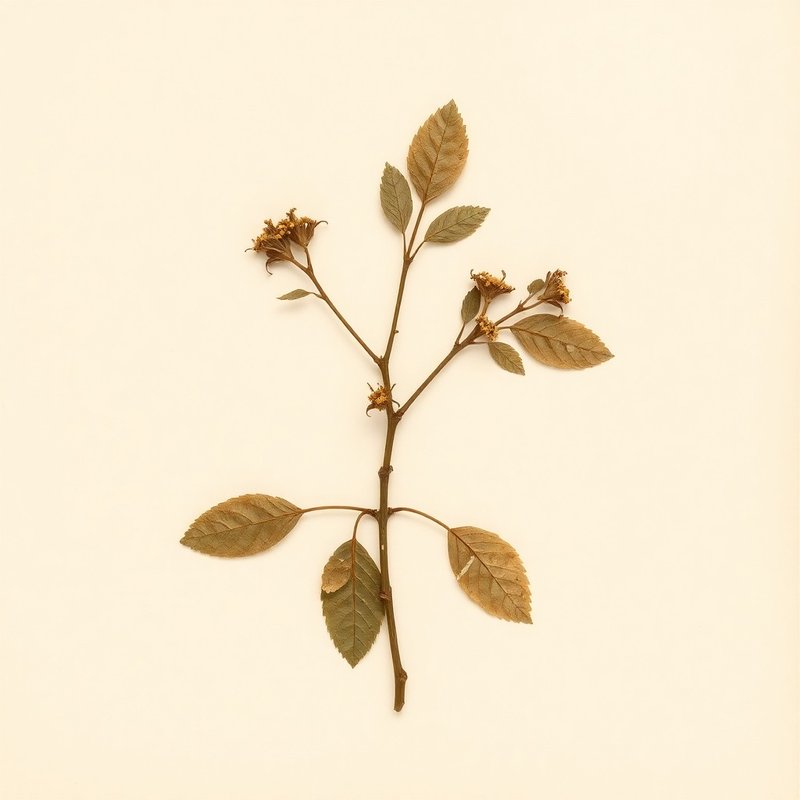
Prunus takesimensis, commonly known as Takesim cherry or Korean cherry, is a deciduous tree belonging to the Rosaceae family. Native to Korea, this plant thrives in moist environments with light to medium soil types, making it adaptable but preferring well-drained conditions. It is both edible and medicinal, valued for its fruit and seeds which can be used in various culinary applications. The fruit, typically enjoyed fresh or prepared in jams and preserves, is edible, while the seeds, though usable, should be handled with care as they contain cyanide precursors. The plant is also appreciated for its dye utility, adding versatility to its practical applications. Prunus takesimensis can grow in a variety of light conditions, from full sun to partial shade, making it a versatile addition to different garden settings. While the plant is not drought-resistant, it requires moist, well-draining soil to thrive. For cultivation, ensure the plant receives adequate water and grows best in a location with ample sunlight. Propagation can be done through seeds. This plant is hardy in temperate regions and has documented uses in traditional medicine, though caution should be exercised when using it medicinally.
What is Prunus takesimensis?
Prunus takesimensis, commonly known as Takesim cherry or Korean cherry, is a deciduous tree belonging to the Rosaceae family. Native to Korea, this plant thrives in moist environments with light to medium soil types, making it adaptable but preferring well-drained conditions.
IV·bMixology suggestions
1 draft
Mixology suggestions
1 draftVCultivation
Cultivation
How to grow Prunus takesimensis for the first time
Start with a simple, light-loving Skip tree in a well-prepared soil and enjoy its growth without worrying about complex care routines.
- 1
What you'll need
A young Skip tree, garden gloves, a spade or trowel.
- 2
Best time to plant
Plant in early spring before new growth starts or late fall after leaves have dropped.
- 3
Soil and container prep
Ensure the soil is well-draining with plenty of organic matter. For containers, use a mix of light, medium, and heavy soils.
- 4
Sowing or transplanting
Transplant young Skip trees into prepared ground or large containers filled with suitable soil.
- 5
First two weeks
Water regularly to keep the soil moist but not waterlogged. Monitor for pests and diseases.
- 6
Ongoing care
Provide full sun exposure, regular watering, and occasional pruning to shape the tree.
- 7
Harvest or pruning
Prune in late winter to early spring to maintain shape and health of the tree. Fruit can be harvested when ripe.
- 8
Common mistakes
Overwatering, planting in heavy clay soil without amending, not providing enough sunlight, neglecting regular pruning.
VIEdible & utility
Edible & utility
VIIDistribution
1 native · 0 introduced
Distribution
1 native · 0 introducedIXSpecimen gallery
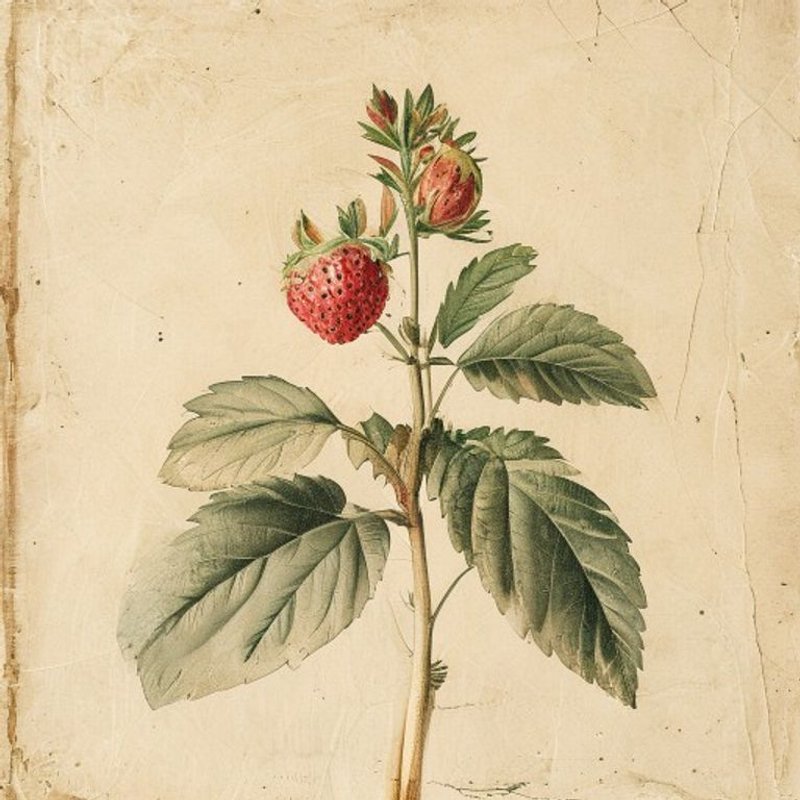
1 image
Specimen gallery
1 imageXSee also
8 related
See also
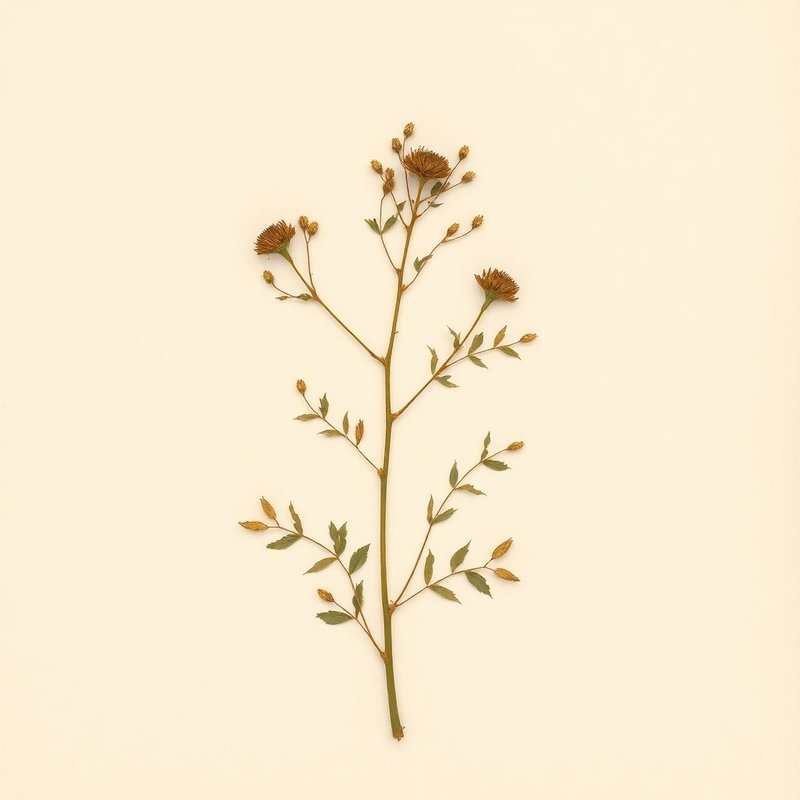
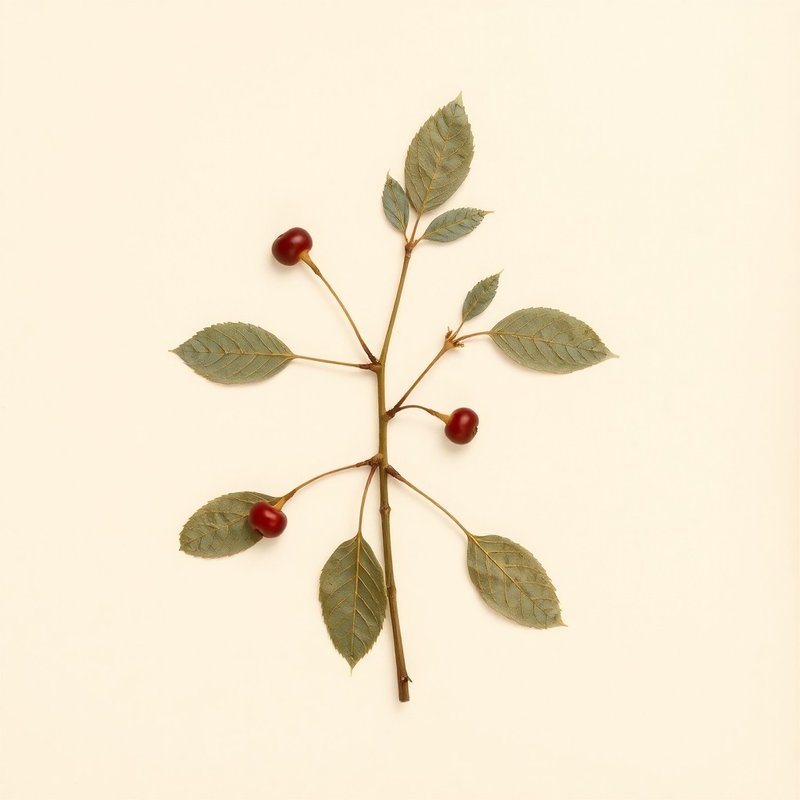
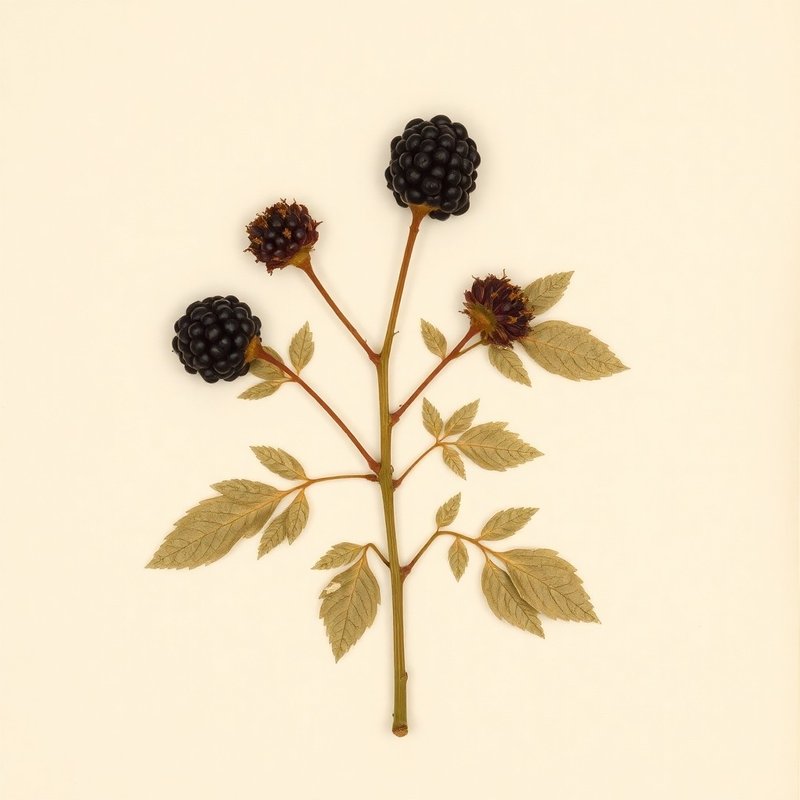
8 relatedPlants you might compare or use together — scored by shared family (Rosaceae), common use cases, and growing requirements.




Explore further
About this entry
- Last updated
- Citation
- How to cite this entry · Submit a correction
Continue reading
Get archive updates
Occasional email when substantial new content lands — plant profiles, seasonal growing notes, folk-remedy additions. Free, no tracking, unsubscribe anytime.