
Yellow Strawberry Guava
IOverview
Overview
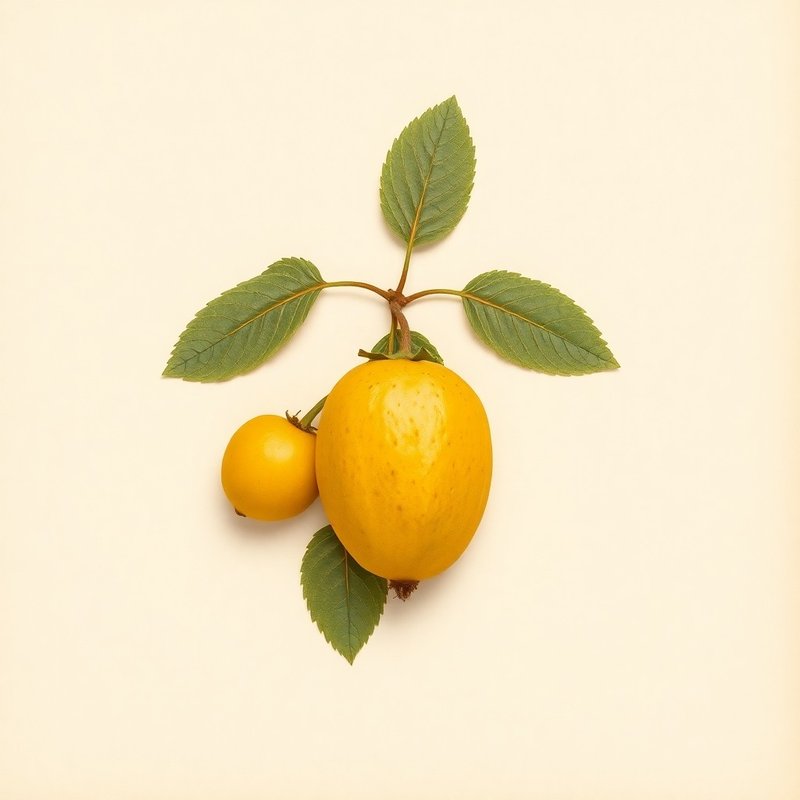
The Yellow Strawberry Guava (Psidium cattleianum littorale) is a small to medium-sized tree or shrub native to tropical regions of South America and the Caribbean. Thriving in full sun, it prefers well-draining soil that can be either light (sandy) or medium-textured, and can tolerate both dry and moist conditions. Hardy in USDA zones 9-11, this plant is well-suited for temperate regions. One distinctive feature of the Yellow Strawberry Guava is its yellow fruit, which sets it apart from other Psidium species. The fruit is edible and can be enjoyed fresh or dried, making it a versatile addition to landscapes and culinary preparations. While primarily known for its ornamental value, the fruit also offers a light, refreshing taste, enhancing both edible and ornamental landscapes. For propagation, use seeds or cuttings, and the plant can reach up to 6 meters in height.
What is Yellow Strawberry Guava?
The Yellow Strawberry Guava (Psidium cattleianum littorale) is a small to medium-sized tree or shrub native to tropical regions of South America and the Caribbean. Thriving in full sun, it prefers well-draining soil that can be either light (sandy) or medium-textured, and can tolerate both dry and moist conditions.
VCultivation
Cultivation
How to grow Yellow Strawberry Guava for the first time
Start with a simple, sunny spot and basic care for your Yellow Strawberry Guava.
- 1
What you'll need
A young plant or seeds, a pot if container planting, good quality soil.
- 2
Best time to plant
Plant in spring when the weather is warming up.
- 3
Soil and container prep
Use well-draining soil. For containers, choose a pot at least 30 cm wide.
- 4
Sowing or transplanting
Transplant young plants carefully to avoid damaging roots. Sow seeds in moist, well-draining soil.
- 5
First two weeks
Keep the soil slightly moist and place the plant in a partially shaded area.
- 6
Ongoing care
Water when the top inch of soil feels dry. Provide full sun exposure.
- 7
Harvest or pruning
Prune to shape the tree and remove dead branches. Harvest fruit when they turn yellow.
- 8
Common mistakes
Overwatering, planting in heavy soil, not providing enough sunlight.
VIEdible & utility
Edible & utility
IXSpecimen gallery
1 image
Specimen gallery
1 imageExplore further
About this entry
- Last updated
- Citation
- How to cite this entry · Submit a correction
Continue reading
Get archive updates
Occasional email when substantial new content lands — plant profiles, seasonal growing notes, folk-remedy additions. Free, no tracking, unsubscribe anytime.