
Bracken
Pteridium aquilinum esculentum
Educational content — not medical, botanical, or professional advice. Plant identification, safety, and edibility depend on local conditions, cultivars, and correct identification. Consult a qualified botanist or forager before consuming or handling wild specimens. How we source & review →
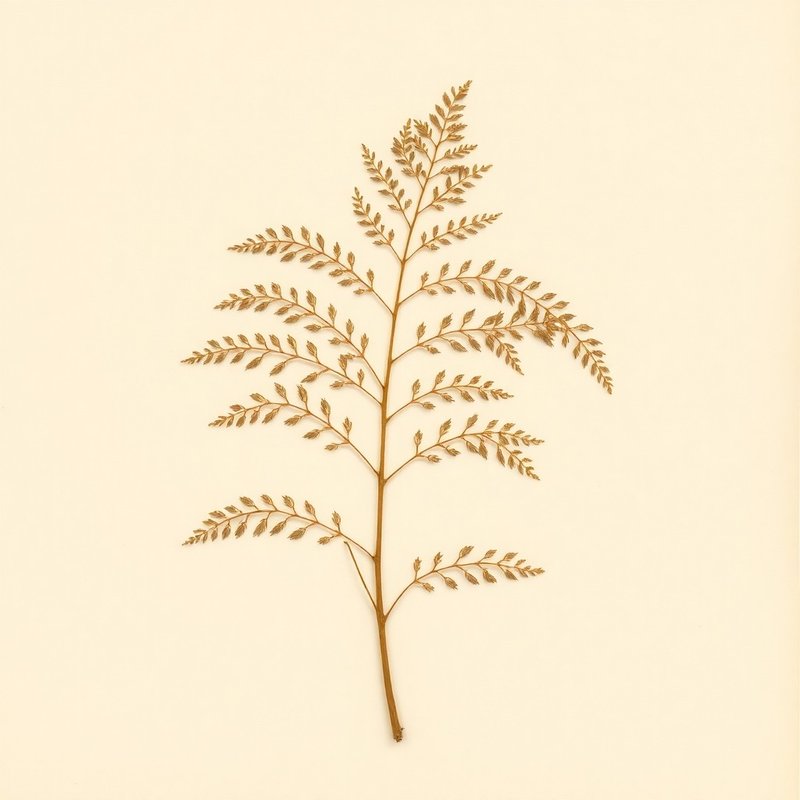
Pl. 0EB5 — Pteridium aquilinum esculentum
Pteridium aquilinum esculentumPteridium aquilinum esculentumPteridium aquilinum esculentumPteridium aquilinum esculentumPteridium aquilinum esculentumPteridium aquilinum esculentumPteridium aquilinum esculentumPteridium aquilinum esculentumPteridium aquilinum esculentumPteridium aquilinum esculentumPteridium aquilinum esculentumPteridium aquilinum esculentumPteridium aquilinum esculentumPteridium aquilinum esculentum
IOverview
Overview
Bracken, scientifically known as Pteridium aquilinum esculentum, is a widespread fern native to various regions including Antipodean Islands, Argentina, Bolivia, and parts of Brazil and Borneo. This plant thrives in light to partial shade with soil that can be dry to moist, ranging from sandy to clay types. It grows best in USDA hardiness zones 4-8, reaching a height of about 1.2 meters. Bracken is notable for its edible parts, which include leaves, roots, and shoots, making it a valuable resource in some areas despite its potential toxicity. Its distinctive feature lies in its robust growth and adaptability across diverse environments.
Quick answers
What is Bracken?
Bracken, scientifically known as Pteridium aquilinum esculentum, is a widespread fern native to various regions including Antipodean Islands, Argentina, Bolivia, and parts of Brazil and Borneo. This plant thrives in light to partial shade with soil that can be dry to moist, ranging from sandy to clay types.
Growingconditions · propagation · uses
VCultivation
Cultivation
Bracken thrives in full to partial sun and prefers moist to dry conditions, making it adaptable to various environments. It grows well in light (sandy), medium, and heavy (clay) soils. The plant is hardy in zones 4-8, though its exact range can vary depending on local conditions. Bracken can reach a height of 1.2 meters and is edible, with parts such as leaves, roots, and shoots being usable. For propagation, division or spore dispersal methods are effective. Regular monitoring is recommended to prevent overgrowth, which can be invasive in some areas.
Light
Full sun, Partial sun/shade
Water
Dry, Moist
Soil
Light (sandy), Medium, Heavy (clay)
Hardiness
4-8
Mature size
1.2 m tall
For first-time growers
How to grow Bracken for the first time
8steps
Start with a simple, low-maintenance approach to growing bracken.
- 1
What you'll need
A spade or trowel, compost, and a sunny spot in your garden.
- 2
Best time to plant
Plant in spring when the soil is moist but not waterlogged.
- 3
Soil and container prep
Ensure the soil is well-draining with a mix of light (sandy), medium, or heavy clay. Amend with compost if needed.
- 4
Sowing or transplanting
Transplant young bracken plants from divisions in early spring or sow seeds directly where they will grow.
- 5
First two weeks
Water the newly planted bracken regularly to keep the soil moist but not soggy.
- 6
Ongoing care
Provide full sun to partial shade and water when the soil feels dry. Keep an eye out for pests like slugs and snails.
- 7
Harvest or pruning
Prune dead leaves in late winter before new growth emerges, and harvest young shoots in spring for culinary use.
- 8
Common mistakes
Overwatering, planting in poorly drained soil, and not providing enough sunlight are common issues.
VIEdible & utility
Edible & utility
Edible parts:LeavesRootShoots
Edible uses: Sweetener
Other uses:AdhesiveWeaving materialBiomassCompostDyeHairPackingtextilesSoapSoap makingFire starter
Contextrange · companions · related
VIIDistribution
30 native · 0 introduced
Distribution
30 native · 0 introducedDistribution across3 continents· 30 native
Asia2 regions
native (2)CambodiaChina
Americas6 regions
native (6)BoliviaColombiaEcuadorFrench GuianaGuyanaParaguay
Oceania2 regions
native (2)FijiNew Caledonia
Broader regions
native:Antipodean Is., Argentina Northeast, Argentina Northwest, Borneo, Brazil North, Brazil Northeast, Brazil South, Brazil Southeast, Brazil West-Central, Chatham Is., Hainan, Jawa, Kermadec Is., Lesser Sunda Is., Maluku, New Guinea, New South Wales, New Zealand North, New Zealand South, Norfolk Is.
IXSpecimen gallery
1 image
Specimen gallery
1 imageXI
Explore further
Companion planting
Growing zone
XII
About this entry
- Last updated
- Citation
- How to cite this entry · Submit a correction
Back to the cataloguePlant id · 0eb5a7bd-2718-4b05-bf0a-c695dc9a57bf
Decision aid
Choosing between Bracken and something else?
Continue reading
❦❦❦❦
Endpaper · archive updates
Get archive updates
Occasional email when substantial new content lands — plant profiles, seasonal growing notes, folk-remedy additions. Free, no tracking, unsubscribe anytime.