
Kudzu Vine
Pueraria montana
Educational content — not medical, botanical, or professional advice. Plant identification, safety, and edibility depend on local conditions, cultivars, and correct identification. Consult a qualified botanist or forager before consuming or handling wild specimens. How we source & review →
Garden journal pausedUse profile notes below
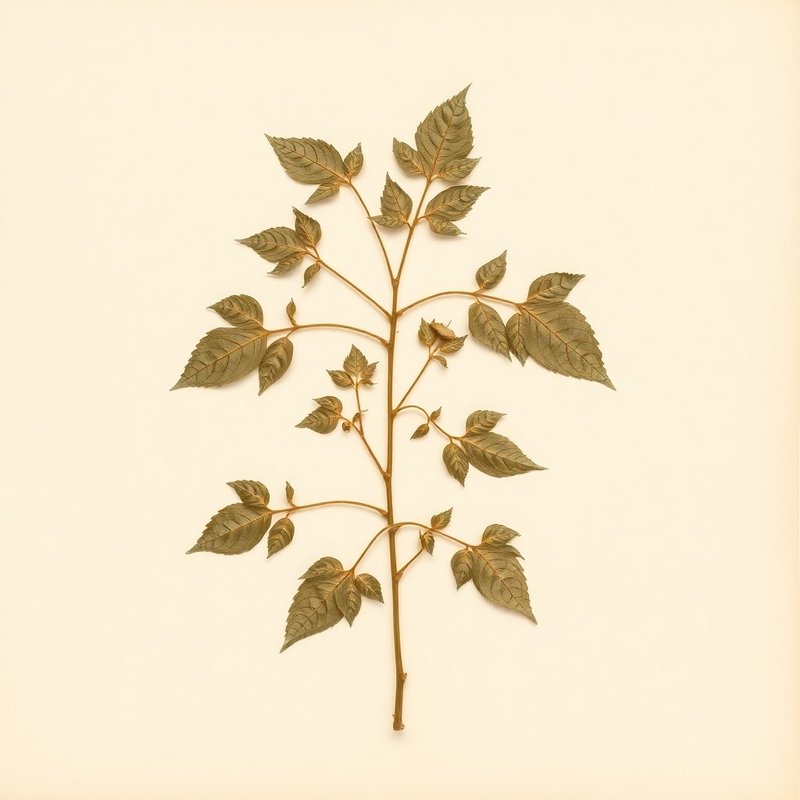
Pl. 0CF8 — Pueraria montana
Pueraria montanaPueraria montanaPueraria montanaPueraria montanaPueraria montanaPueraria montanaPueraria montanaPueraria montanaPueraria montanaPueraria montanaPueraria montanaPueraria montanaPueraria montanaPueraria montana
IOverview
Overview
Kudzu Vine (Pueraria montana) is a sprawling perennial vine native to the eastern and southeastern regions of Asia, including Assam, Bangladesh, Cambodia, and parts of China. This plant thrives in moist conditions with medium to heavy clay soil, full sun exposure, and can tolerate hardiness zones 10-12. Kudzu Vine is both edible and ornamental; it produces flowers, leaves, roots, shoots, and stems that are all considered edible parts. Its distinctive feature lies in its ability to grow up to 10 meters in length, making it a formidable climber and covering large areas quickly. This vine is native to regions such as Assam, Bangladesh, Cambodia, China North-Central, China South-Central, China Southeast, East Himalaya, Hainan, India, Inner Mongolia, Japan, Jawa, Korea, Laos, Malaya, Maluku, Manchuria, Myanmar, Nansei-shoto, Nepal, New Guinea, Northern Territory, Ogasawara-shoto, Philippines, Primorye, Solomon Is., Taiwan, Tibet, and Vietnam. It has been introduced to various parts of the world including Alabama, Angola, Argentina Northeast, Arkansas, Azores, Bermuda, Burundi, Cameroon, Central African Republic, Dominican Republic, Ethiopia, Fiji, Florida, Gabon, Georgia, Ghana, Gilbert Islands, Hawaii, Honduras, Illinois, Kansas, Kentucky, Krym, Liberia, Louisiana, Maine, Maryland, Massachusetts, Mississippi, Mozambique, New Caledonia, New Jersey, New South Wales, New York, Nigeria, Niue, Norfolk Island, North Carolina, Northern Provinces, Nova Scotia, Oklahoma, Pakistan, Panama, Pennsylvania, Queensland, Samoa, Senegal, Sierra Leone, Society Islands, South Carolina, Sudan, Tajikistan, Tennessee, Texas, Tonga, Transcaucasus, Ukraine, Vanuatu, Virginia, Wallis-Futuna Islands, Yugoslavia, and Zaïre. Kudzu Vine is valued for its various edible parts. The young shoots can be eaten raw or cooked in stir-fries, the leaves are suitable for salads or steamed as a side dish, roots can be boiled and mashed or ground into flour, and all parts of the plant can be dried for later use. Culturally, it has been used for its fibers to make textiles, soil reclamation, erosion control, weaving material, ground cover, nitrogen fixation, and fragrance. However, due to its rapid growth, Kudzu Vine can have weed potential in areas where it is not native.
Quick answers
What is Kudzu Vine?
Kudzu Vine (Pueraria montana) is a sprawling perennial vine native to the eastern and southeastern regions of Asia, including Assam, Bangladesh, Cambodia, and parts of China. This plant thrives in moist conditions with medium to heavy clay soil, full sun exposure, and can tolerate hardiness zones 10-12.
Growingconditions · propagation · uses
VCultivation
Cultivation
Kudzu Vine thrives in full sun and prefers moist, medium to heavy clay soil. It is hardy in zones 10-12 but can be invasive due to its rapid growth. Propagate via cuttings or division. This perennial vine can reach up to 10 meters in height and is used for edible parts including flowers, leaves, roots, shoots, and stems.
Light
Full sun
Water
Moist
Soil
Medium, Heavy (clay)
Hardiness
10-12
Life cycle
Perennial
Habit
Vine
Mature size
10.0 m tall
For first-time growers
How to grow Kudzu Vine for the first time
8steps
Start with a simple, full-sun location and basic soil preparation for your first kudzu vine.
- 1
What you'll need
A healthy kudzu vine cutting or seed, a trellis or support structure, and some gardening gloves.
- 2
Best time to plant
Plant in spring after the last frost when temperatures are consistently above 10°C (50°F).
- 3
Soil and container prep
Choose a location with well-draining soil that is moist but not waterlogged. Ensure the area receives full sun.
- 4
Sowing or transplanting
Direct sow seeds in the ground or start cuttings indoors 4-6 weeks before planting outside. Transplant seedlings once they have several leaves.
- 5
First two weeks
Water regularly to keep soil moist but not soggy. Monitor for pests and diseases, treating if necessary.
- 6
Ongoing care
Provide regular watering during dry spells and fertilize with a balanced fertilizer in early spring. Prune back any dead or weak growth.
- 7
Harvest or pruning
Prune the vine to maintain size and shape, removing any damaged or diseased parts. Harvest young shoots, leaves, flowers, and roots for culinary use.
- 8
Common mistakes
Overwatering, planting in heavy clay soil without drainage, not providing a support structure, neglecting pruning, and using chemical pesticides.
VIEdible & utility
Edible & utility
Edible parts:FlowersLeavesRootShootsStem
Edible uses: The kudzu vine is used for its various edible parts, including flowers, leaves, roots, and shoots. Typically, the young shoots are eaten raw or cooked in stir-fries. The leaves can be added to salads or steamed as a side dish. Roots are often boiled and then mashed or ground into flour. All parts of the plant can also be dried for later use.
Other uses:FibertextilesSoil reclamationErosion controlWeaving materialGround coverNitrogen fixerFragrance
Contextrange · companions · related
VIIDistribution
31 native · 63 introduced
Distribution
31 native · 63 introducedDistribution across5 continents· 31 native· 63 introduced
Europe2 regions
introduced (2)PortugalUkraine
Asia15 regions
native (13)BangladeshCambodiaChinaIndiaJapanLaosMyanmarNepalPhilippinesSouth KoreaTaiwanThailandVietnam
introduced (2)GeorgiaPakistan
Americas3 regions
introduced (3)Dominican RepublicHondurasUnited States
Africa12 regions
introduced (12)AngolaBurundiCameroonEthiopiaGabonGhanaLiberiaMozambiqueNigeriaSenegalSierra LeoneSudan
Oceania5 regions
introduced (5)FijiNew CaledoniaSamoaTongaVanuatu
Broader regions
native:Caroline Is., East Himalaya, Hainan, Jawa, Malaya, Maluku, Nansei-shoto, New Guinea, Northern Territory, Ogasawara-shoto, Primorye, Solomon Is.
introduced:Alabama, Argentina Northeast, Arkansas, Bermuda, Central African Repu, Florida, Gilbert Is., Illinois, Kansas, Kentucky, Louisiana, Maine, Maryland, Masachusettes, Massachusetts, Mississippi, New Jersey, New South Wales, New York, Niue, Norfolk Is., North Carolina, Northern Provinces, Nova Scotia, Oklahoma, Panamá, Pennsylvania, Queensland, Society Is., South Carolina, Tadzhikistan, Tennessee, Texas, Transcaucasus, Virginia, Wallis-Futuna Is., Yugoslavia, Zaïre
IXSpecimen gallery
1 image
Specimen gallery
1 imageXI
Explore further
Companion planting
Growing zone
Native to
XII
About this entry
- Last updated
- Citation
- How to cite this entry · Submit a correction
Back to the cataloguePlant id · 0cf80d8f-b789-4043-85dd-b8d47929a901
Decision aid
Choosing between Kudzu Vine and something else?
Continue reading
❦❦❦❦
Endpaper · archive updates
Get archive updates
Occasional email when substantial new content lands — plant profiles, seasonal growing notes, folk-remedy additions. Free, no tracking, unsubscribe anytime.
Newsletter returning soon.
We are rebuilding the update list around a lightweight editorial workflow. New dispatches will resume after the next content review cycle.